EzyDrains Company
Company
Shop By Category
T&Cs
Shop Online
  • Size, material and fit listed
  • Free tracked Canada-wide delivery over $150
  • 14-day returns

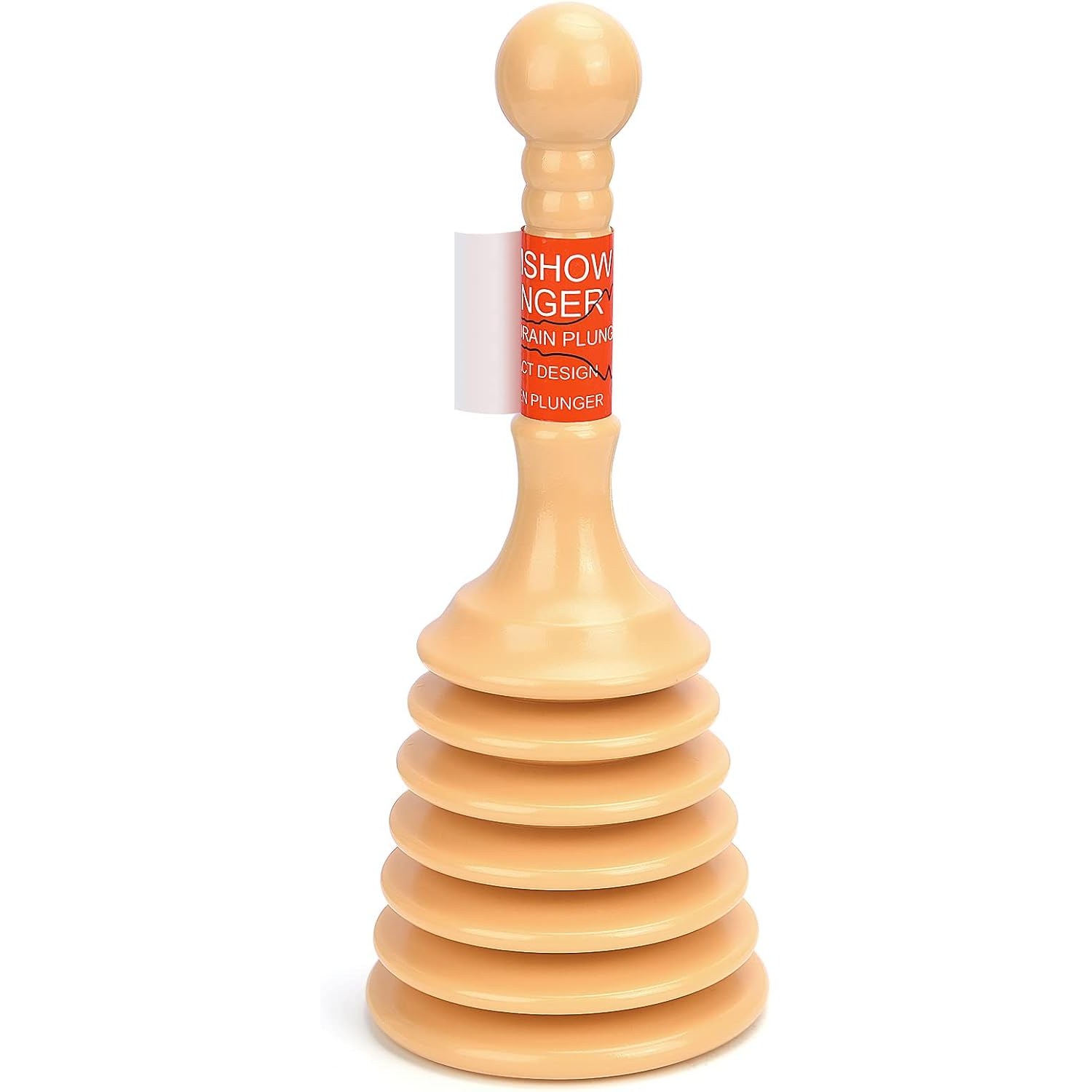
Bellows Sink Plunger | Small drain plunger for sinks and tubs | hand pump drain plunger

Bellows Sink Plunger

$37.99 $45.99 Save $8
  • Concentrated Pressure
  • Small Footprint
  • Case Included
  • Thicker PVC Body

Price: $37.99 $45.99

  • Free tracked Canada-wide delivery on orders $150+, otherwise a flat $20
  • Pay by card or PayPal, handled by the payment provider
  • 14 days to change your mind, plus your statutory rights
Product specifications
MaterialPolyvinyl Chloride (PVC)
Finish TypePlastic
StyleCompact
Special FeatureRemovable
Included ComponentsCase
Number of Items1
Unit Count1 Count
Number of Packs1
ConditionNew
Shipping & returns

Tracked delivery anywhere in Canada. It is free on orders of $150 or more, and a flat $20 below that.

If it is not right for you, send it back within 14 days of delivery in resaleable condition and we refund the price you paid, including standard delivery. That is a voluntary policy we offer on top of your legal rights. You cover the cost of returning it unless the item is faulty.

If it arrives faulty, damaged or not as described, we put it right at no cost to you under the consumer protection law of your province or territory (for example the Ontario Consumer Protection Act, 2002), return postage included.

Shipping details · Refunds and returns

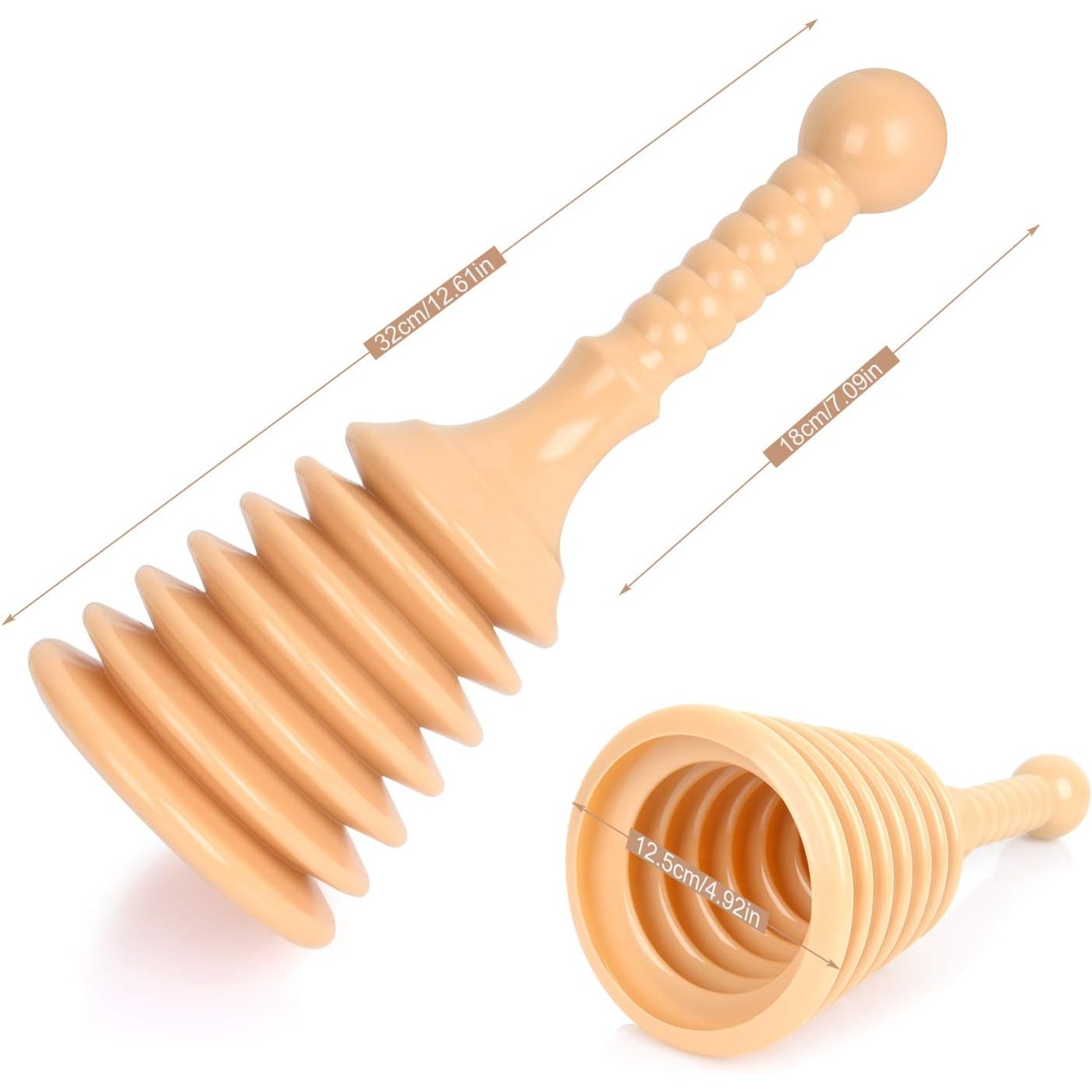
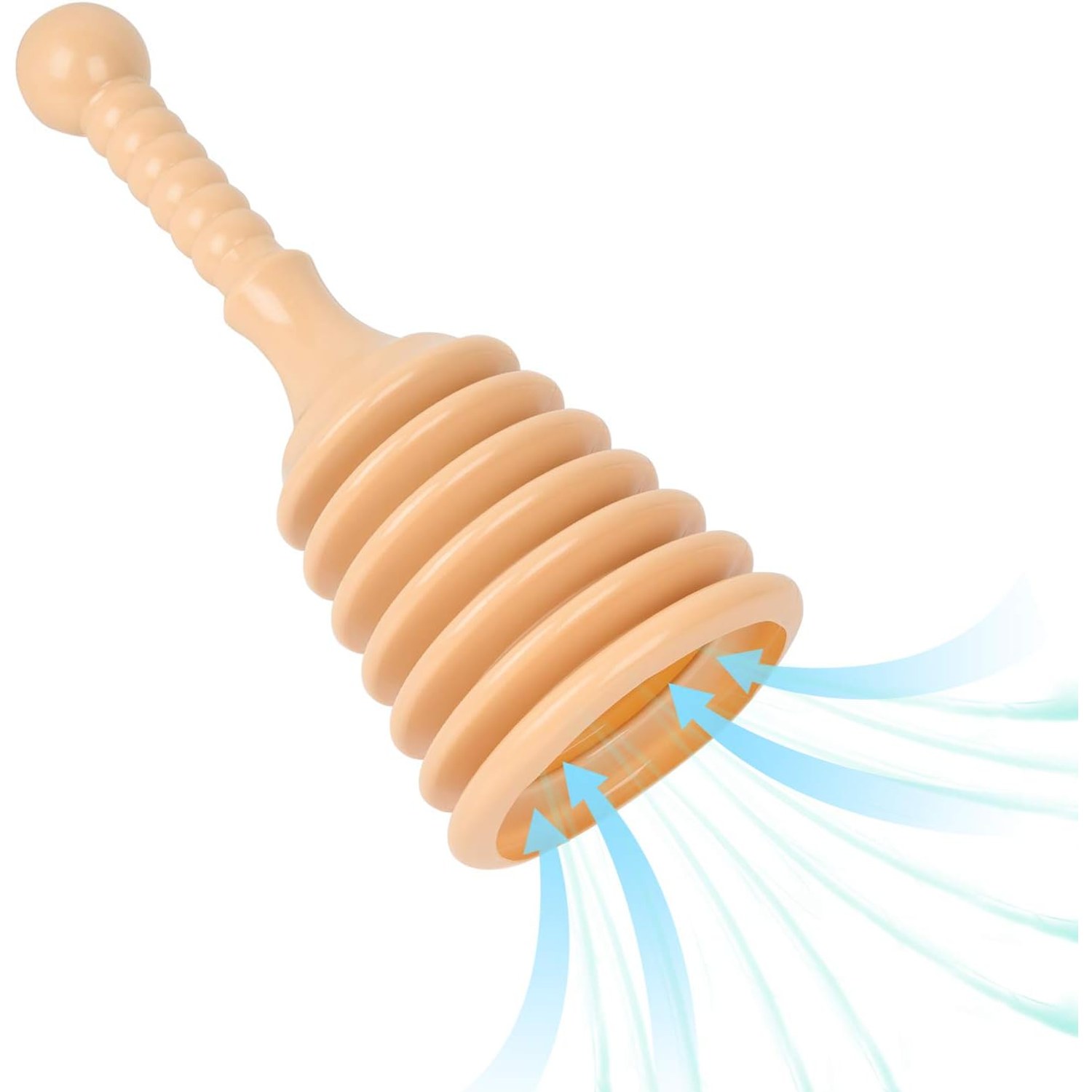
Concentrated PressureThe bellows body focuses each squeeze straight down the drain opening.
Small FootprintA compact shape that fits under a bathroom sink or in a cupboard.
Case IncludedComes with a removable case so it stores clean and out of sight.
Thicker PVC BodyBuilt heavier than most mini plungers for a firmer squeeze.

Clear a slow bathroom sink in minutes with a bellows sink plunger that puts real pressure right where the clog sits.

A compact PVC hand pump drain plunger with a removable case, built thicker than most mini plungers so each squeeze pushes a concentrated burst of water through the drain opening.

A bellows sink plunger made for the small, slow drains that a big toilet plunger cannot handle properly.

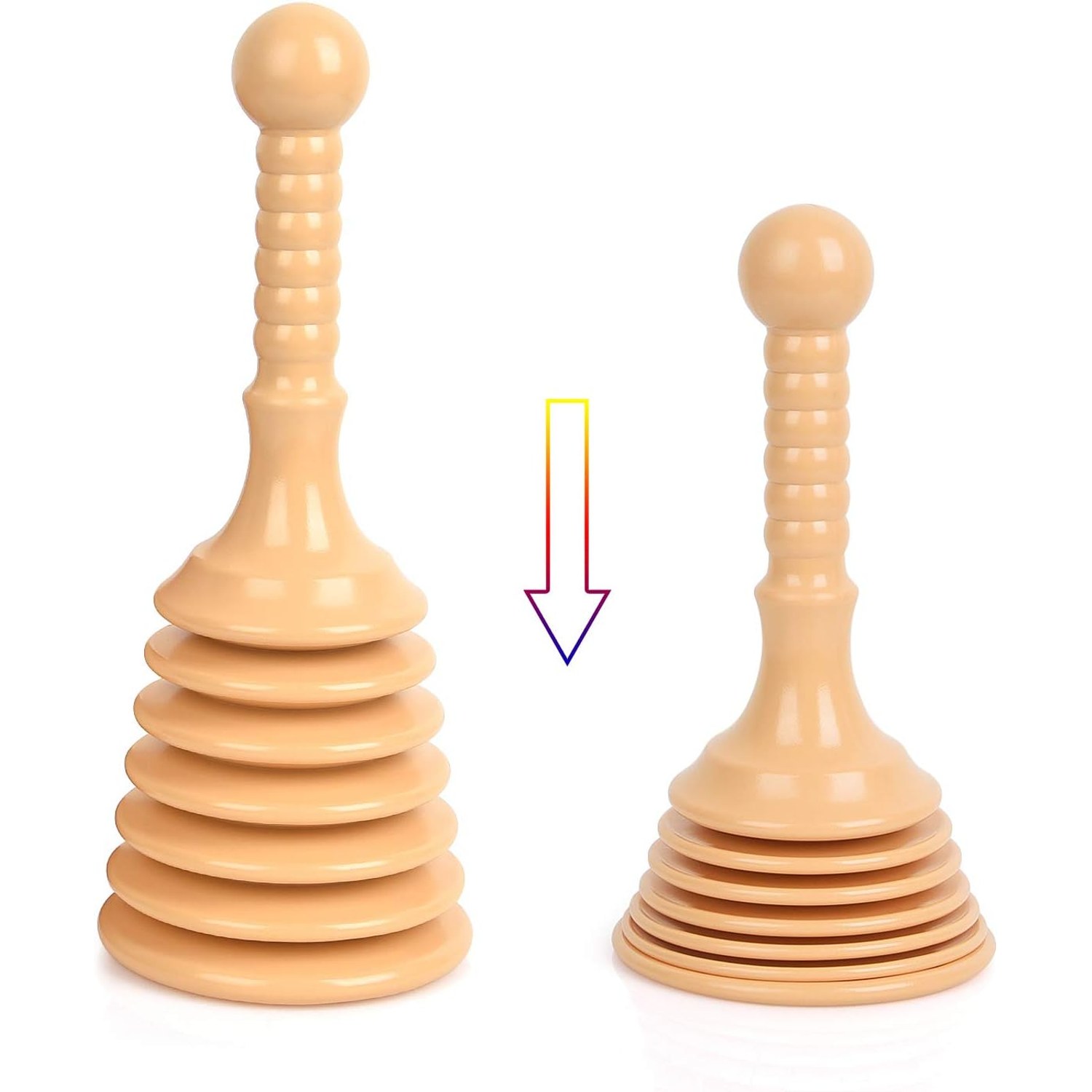
The ribbed PVC body compresses in your hand and sends a concentrated push of water into the drain opening.

It works with the water already sitting in the sink or tub, so there is no priming or setup.

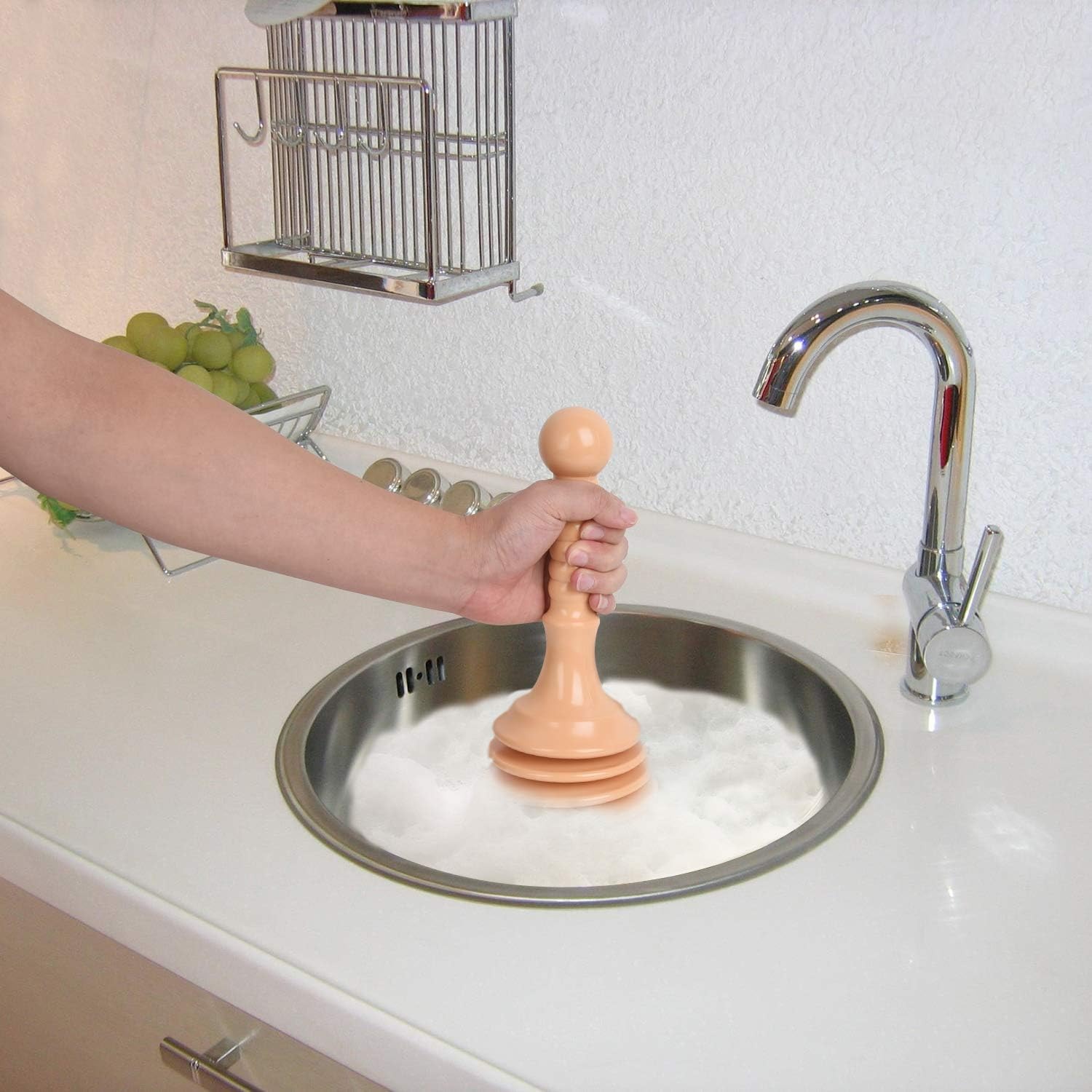
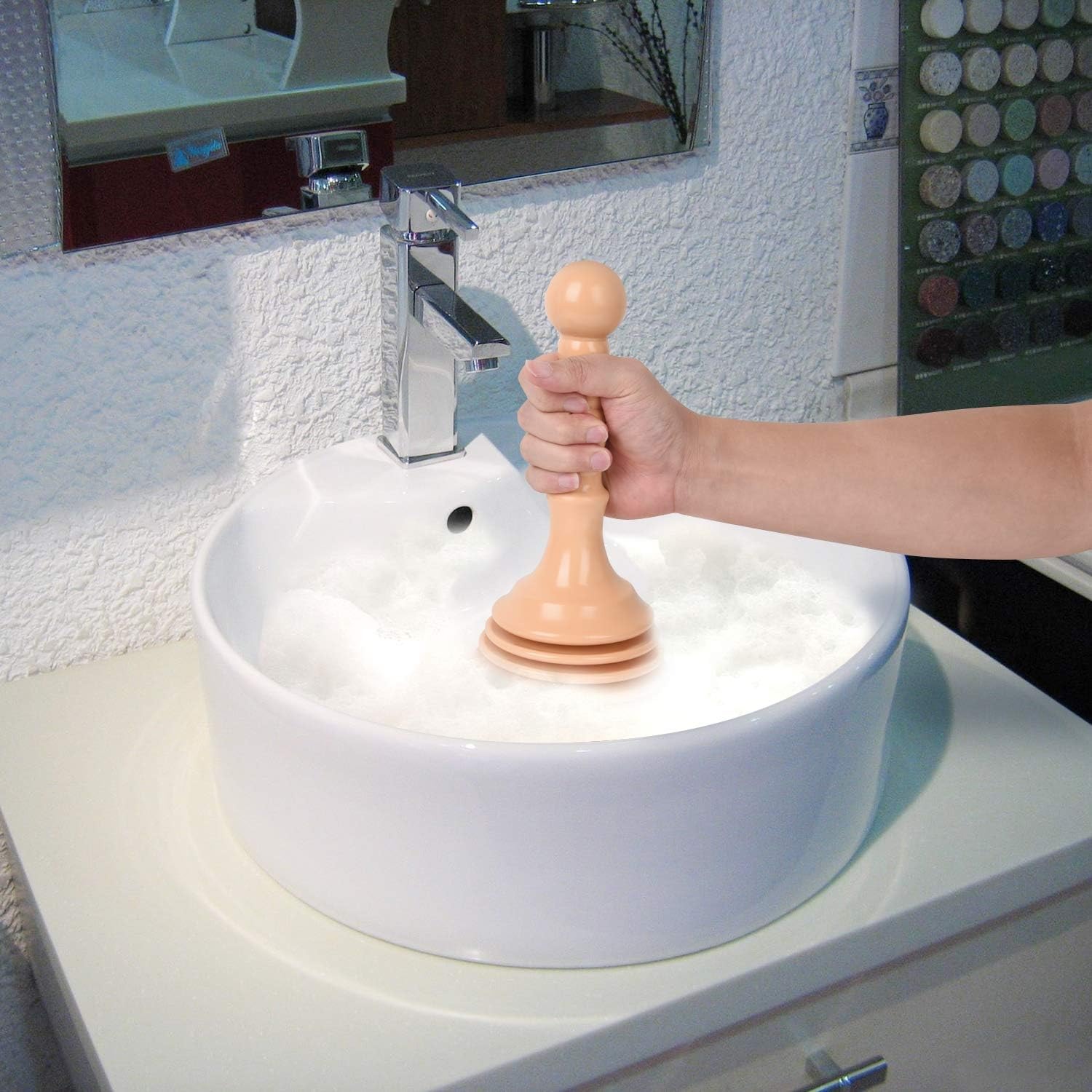
The compact shape suits kitchen sinks, bathroom sinks and tub drains, and it stores in the included case.

Thicker PVC than many similar mini plungers means the bellows holds its shape squeeze after squeeze.

Bellows Sink Plunger

Most homes keep one plunger, and it is usually the big rubber one meant for the toilet. That shape is wrong for a bathroom sink. The cup is too wide to seal on a small drain opening, the handle is too long to angle properly inside a bowl, and half the force escapes around the edge. A bellows sink plunger solves the size problem first. The small cup sits over the drain opening, grips, and every bit of the pressure you create goes where you need it.

Bellows Sink Plunger

The bellows body is the second half of the design. Instead of pushing a handle up and down, you grip the ribbed PVC chamber and squeeze. The ribs let the body collapse quickly and spring back just as fast, which creates a sharp pulse rather than a slow push. That alternating pressure is what loosens a plug of hair, soap and grease, because it works the blockage from both directions rather than only driving it deeper.

Bellows Sink Plunger

It uses the water already in the fixture. Run an inch or two of water into the sink or tub, set the cup over the drain, and start squeezing. The water column becomes the working fluid, and water does not compress, so the force travels down the pipe instead of fizzling out in trapped air. That is why plunging a dry sink rarely achieves anything and why this tool asks for standing water before you start.

Bellows Sink Plunger

The build is thicker PVC than you find on the cheapest mini plungers, which matters more than it sounds. Thin bellows go soft after a few dozen uses, the ribs crease, and the chamber stops rebounding with any snap. A heavier wall keeps the spring in the body. The finish is smooth plastic, so it rinses clean under the faucet and does not hold a damp smell the way an old rubber cup can.

Bellows Sink Plunger

A removable case is included, which is a small thing that makes a real difference in a bathroom. A plunger that lives behind the toilet looks like a plunger. One that goes back into its case after rinsing can sit in the vanity cupboard with everything else. If you rent, share a bathroom or simply want the tidy option, that detail is worth having.

Not sure yet? That is fine.

A drain part has to fit the drain you have, and you cannot always judge that from a photograph. If it is not right for you, send it back within 14 days of delivery in resaleable condition and we refund the price you paid, including standard delivery. That is a voluntary policy we offer on top of your legal rights.

If it turns up faulty, damaged or not as described, that is on us. The consumer protection law of your province or territory covers you, and we pay the return postage. Read the full detail on our refunds and returns page, or ask us anything before you order.

Frequently Asked Questions

What is a bellows sink plunger?

It is a small plunger with a ribbed, collapsible body that you squeeze by hand instead of pushing with a long handle. The squeeze sends a sharp pulse of water down the drain. It is sized for sink and tub drain openings rather than toilets.

How is it different from a regular rubber plunger?

A standard plunger has a wide cup and a long wooden handle, which suits a toilet bowl. This one has a small cup and a hand-sized bellows chamber, so it seals on a narrow drain opening and gives you close control. For a slow bathroom sink it is the far easier tool to aim.

Will it work on a kitchen sink?

Yes, it is intended for kitchen sinks as well as bathroom sinks and tub drains. Kitchen clogs are usually grease and food scraps near the trap, which is exactly the zone a hand pump drain plunger can reach. Block the second bowl on a double sink before you start.

Can I use it on a toilet?

No. The cup is too small to seal a toilet outlet and the tool is not shaped for that job. Keep a full size toilet plunger for the toilet and use this for sinks and tubs.

Do I need water in the sink first?

Yes, and it makes a big difference. Water does not compress, so a column of standing water carries your force straight down the pipe. An inch or two above the drain opening is plenty.

What is it made of?

The body is polyvinyl chloride (PVC) with a plastic finish. The maker describes it as thicker than similar compact plungers. Other material details are not specified by the maker.

What size is it?

Exact dimensions are not given by the maker. It is described as compact, which puts it in the small plunger for bathroom sink category rather than the full size range. If you need a precise figure for a very narrow drain opening, measure your drain first.

Does it come with anything else?

Yes, a case is included and it is removable. The pack contains one plunger, one count, one pack. Nothing else is listed by the maker.

What colour is it?

Colour is not specified by the maker. The finish is listed as plastic.

How do I actually use it?

Fill the sink with an inch or two of water, press the cup flat over the drain opening to get a seal, then squeeze and release the bellows in a steady rhythm. Keep the cup down between squeezes so you do not break the seal. Lift it off after eight to ten pumps and check whether the water starts moving.

Why is nothing happening when I squeeze?

Nine times out of ten it is the seal or the overflow. Check the cup is sitting flat on a wet, flat surface, and hold a damp cloth over the overflow opening so pressure cannot escape. If the drain is bone dry, add water and try again.

What is the overflow and why does it matter?

Most bathroom sinks and many tubs have a small opening near the top that stops them flooding. It connects to the same pipe below, so when you plunge, pressure escapes through it. Covering it with a wet cloth or your palm sends everything back down the drain instead.

Is it any good on hair clogs?

It can shift a loose hair and soap plug sitting just below the strainer. A tightly packed mat further down usually needs a hair removal tool first, then the plunger to flush what is left. The best bellows plunger for kitchen sink work is still a pressure tool, not a cutting one.

Can I use it with a drain cleaning chemical?

We do not recommend chemical drain cleaners with this or any plunger. Plunging can splash liquid back out of the drain, which is not something you want near your skin or eyes. Use the plunger on plain water.

Will it damage my pipes?

Used normally on a household sink or tub, hand pressure from a mini drain plunger is mild. Do not keep hammering a drain that is not responding at all, since a completely solid blockage may need a different approach. Old or already damaged pipework should be looked at by a licensed plumber.

Is it safe on a glass or ceramic vessel sink?

The cup is plastic and sits against the base of the bowl, not the rim, so it is gentle in normal use. Set it down carefully rather than dropping it, as with anything near a ceramic or glass fixture. Wipe grit off the cup first so nothing scratches the surface.

Does it work on a tub drain?

Yes, tub drains are one of its intended uses. Remove the stopper or lift the strainer if it comes out, add a little water, and cover the overflow plate before you squeeze. A small drain plunger for sinks and tubs usually seals better on a tub than a wide cup does.

What about a shower drain?

A flat shower drain with a removable grate will often take the cup fine if the surrounding floor is smooth. Textured or sloped shower floors make a seal harder to hold. Press firmly and keep the cup square to the opening.

Can I use it on a floor drain?

It may seal on a smooth floor drain, but the surround has to be flat and clean. Rough concrete will leak pressure around the edge. Test gently and do not force it.

How many pumps should it take?

Give it eight to ten firm squeezes, then stop and look. If the water level drops at all, that is progress and another round usually finishes the job. If three rounds change nothing, the blockage is likely beyond the trap.

How do I clean it afterwards?

Rinse it under running water, then squeeze a few times with clean water in the chamber to flush the inside. Wash the outside with warm soapy water, shake it out and let it dry fully. Only put it back in the case once it is dry.

Will it hold a smell?

Smooth PVC does not soak up odour the way an old rubber cup can, but anything left wet inside will eventually turn stale. The flush-and-dry routine after each use takes about a minute and prevents it. Store it with the case open if you are unsure it is dry.

Where should I keep it?

The included case is the point, so it can sit in a vanity cupboard, under the kitchen sink or in a laundry cabinet without looking like plumbing gear. Keep it out of direct sunlight and away from heat so the PVC does not soften or warp. Anywhere dry and shaded is fine.

Is it a good tool for a rental or small apartment?

It suits both well. It takes up far less room than a full size plunger, stores in its case, and handles the slow bathroom and kitchen drains that come up most often. A compact plunger with case is an easy thing to keep in a studio or shared bathroom.

Does it need batteries or any power?

No. It runs entirely on hand pressure and the water in your sink. There is nothing to charge and nothing to replace.

Is it suitable for someone with limited hand strength?

Squeezing a bellows is generally easier to control than pushing a long handled plunger, because you can brace it with two hands close to your body. It still takes a firm grip to generate pressure. If gripping is painful, a plunger of any kind may not be the right tool.

Can it handle a slow drain that is not fully blocked?

That is where it works best. A partial clog still leaves a path for water, so a pressure pulse can push the build up along rather than having to break through a solid plug. Catching a slow drain early is far easier than waiting for it to stop completely.

How often should I use it?

Only when a drain slows down. Some people run a few pumps through a kitchen sink once a month as light maintenance, which is harmless. There is no need to use it on a drain that is running normally.

What are the delivery and return terms?

Orders ship by tracked delivery and most arrive within the standard window for your region, with full details shown at checkout. If the item is not right, return it unused and in resaleable condition within 14 days of delivery listed on our policy page. Keep the case and packaging until you are sure you are keeping it.

What if it is not the right tool for my drain?

If it does not suit your fixture, contact us with your order number and a short note about the drain you were trying to clear, and we will sort out a return within 14 days of delivery. Items need to be unused and in resaleable condition. If the drain stays blocked after a couple of honest attempts, the problem is probably further down the line and worth a call to a licensed plumber.

Bellows Sink Plunger Buyer's Guide

6 min read EzyDrains Company

The problem with using the wrong plunger

Almost every home has one plunger, and it is almost always the wrong one for a sink. The big rubber cup on a wooden handle was designed for a toilet outlet, which is wide, curved and deep. A bathroom sink is none of those things. The bowl is shallow, the drain opening is small, and there is rarely enough room to get the handle at a useful angle.

So people improvise. They press the big cup down at a slant, water sprays over the counter, and the drain keeps draining slowly. Then they reach for a bottle of something caustic, which is a worse idea than it looks.

A bellows sink plunger exists because the sink job is a different job. The cup is sized to the drain opening, not to a toilet. The body sits in your hand. You squeeze instead of push. All of that adds up to pressure that actually lands on the clog instead of escaping around the edges.

How a bellows plunger works

The physics are simple once you see it. Your drain is a pipe full of water, with a plug of something, usually hair, soap scum and grease, stuck in the trap or just past it. Water does not compress. So if you seal the top of that pipe and push, the push travels down the water column and hits the plug directly.

The bellows is the engine. Squeezing collapses the ribbed chamber in a fraction of a second, which gives a sharp pulse rather than a slow shove. Letting go snaps the ribs back out and pulls a little, which is just as useful. That back and forth movement is what breaks up a soft plug, because it works the blockage loose from both sides instead of compacting it further down the line.

This is also why standing water matters so much. If the sink is empty, you are pushing air, and air compresses. The squeeze gets absorbed and nothing reaches the clog. An inch or two of water over the drain turns the whole thing from a puff into a punch.

The other detail people miss is the overflow. Nearly every bathroom sink and most tubs have a small opening near the top rim that stops the fixture flooding. It connects to the same waste pipe. When you plunge, pressure takes the easy route and vents straight out of it. Hold a damp cloth firmly over that opening and suddenly the same squeeze is twice as effective.

Who this suits

If your household drama is a bathroom sink that empties in slow motion, or a kitchen sink that gurgles and backs up after a big cooking session, this is the tool. It handles the soft, early stage blockages that make up the large majority of household drain complaints.

It is a particularly good fit for small homes. A full size plunger is a bulky, slightly grim object that has to live somewhere visible. This one goes back in its case and into the cupboard. Renters, people in apartments and anyone sharing a bathroom tend to appreciate that more than they expect to.

It also suits people who would rather not call someone out for a ten minute problem. A slow drain is not usually a plumbing emergency. It is a maintenance task, and having the right small tool on hand turns it into something you deal with before breakfast.

Who it does not suit: anyone hoping to clear a toilet with it, or anyone facing a drain that has stopped completely and stayed stopped. A tool that works on water pressure needs a path for water. If there is no movement at all after a few honest rounds, the blockage is likely further down the system and a licensed plumber is the sensible next step.

How to choose a small drain plunger

Start with the drain opening. Measure across it, and measure the flat area around it. The cup needs to sit flat on a smooth surface to seal. A deeply recessed drain, a heavily textured shower floor or a grate that sticks up proud will all leak pressure.

Then look at the body material. This one is polyvinyl chloride (PVC) with a plastic finish, and the maker describes it as thicker than comparable compact plungers. Wall thickness matters more than it sounds. Thin bellows go soft within a few dozen uses, the ribs crease permanently, and the chamber stops springing back. Once the rebound goes, so does half the tool's usefulness.

Storage is the third thing, and it is the one people only think about after the purchase. A case sounds like a throwaway extra until you are deciding where to keep a damp plunger in a bathroom with one cupboard. A removable case means the tool stores clean, dry and out of sight.

Finally, be clear about what size tool solves your actual problem. A small plunger for bathroom sink duty and a big toilet plunger are not interchangeable, and most homes genuinely need one of each. Buying the compact one does not replace the big one. It covers a job the big one was never built for.

Using it well

Clear the sink first. Pull out the stopper or strainer if it lifts out, and scoop any visible hair from the opening with a gloved hand. There is no point plunging a drain that is blocked at the surface.

Run enough water to cover the cup by an inch or two. Set the cup down flat and press to seat it. Cover the overflow with a wet cloth and hold it there with your other hand or a knee, whatever works in your bathroom layout.

Then squeeze in a steady rhythm, eight to ten times, keeping the cup pressed down the whole time. Breaking the seal between pumps is the most common mistake and it wastes most of your effort. Lift off and watch the water. Any drop in the level means something shifted, and another round usually finishes it.

If three full rounds produce nothing, stop. Repeated hammering on a solid blockage does not help and can push the material into a tighter mass. That is the point to try a hair tool, or to get the trap opened properly.

Looking after it

The care routine takes about a minute. Rinse it under running water, then squeeze a few times with clean water inside to flush the chamber out. Wash the outside with warm soapy water, shake it, and leave it to dry completely before it goes back in the case.

Keep it out of direct sunlight and away from radiators or heating vents. PVC softens with heat and sustained sun exposure makes it brittle over time. A dark cupboard is ideal. Skip solvents and abrasive scouring pads, which scuff the plastic and give grime somewhere to sit.

That is genuinely the whole maintenance list. There are no parts to replace, nothing to charge, and nothing to lubricate.

The short version

A bellows sink plunger is a small, specific tool that does one job properly. It seals on a sink or tub drain opening, uses the standing water in the fixture, and sends a concentrated pulse down the pipe instead of spraying it over your counter.

It is made from PVC, it is thicker than many mini plungers, and it comes with a removable case so it stores somewhere civilised. It will not clear your toilet and it will not fix a pipe that is packed solid.

For the slow bathroom sink, the gurgling kitchen drain and the tub that takes a while to empty, it is the right shape for the job and small enough that you will actually keep it to hand.

Browse the shop

Not sure it fits your drain?

Measure the drain opening and the flat area around it, and we can tell you whether this compact plunger will seal.

Ask us a question

Page summary

The Bellows Sink Plunger is a compact hand pump drain plunger made from polyvinyl chloride (PVC) with a plastic finish, supplied as a single unit with a removable case. It is designed for small drain openings in kitchen sinks, bathroom sinks and tub drains rather than for toilets. The ribbed bellows body is squeezed by hand, using the standing water already in the fixture to send concentrated pressure down the drain and work a blockage loose. The maker describes the body as thicker than comparable mini plungers. Colour, exact dimensions, weight and country of origin are not specified by the maker. Care is limited to rinsing, washing with warm soapy water and drying before storage.