
The complete guide
How To Choose A Silicone Drain Cover Mat That Actually Stays Put
The small problem nobody talks about
A drain is a hole in your floor that goes somewhere else. Most of the time that is exactly what you want. The rest of the time it is an open channel between your bathroom and the inside of a pipe, and air moves through it in both directions.
That is why a bathroom can smell stale an hour after you cleaned it. It is why a basement or laundry room gets a cold draft around the floor drain in winter. It is why the rim of a shower drain collects a grey ring of hair and soap scum that you have to pick at with a cloth.
None of these are emergencies. They are just small, daily, slightly unpleasant things. A flat silicone cover deals with most of them in about two seconds of effort.
How a flat suction drain cover works
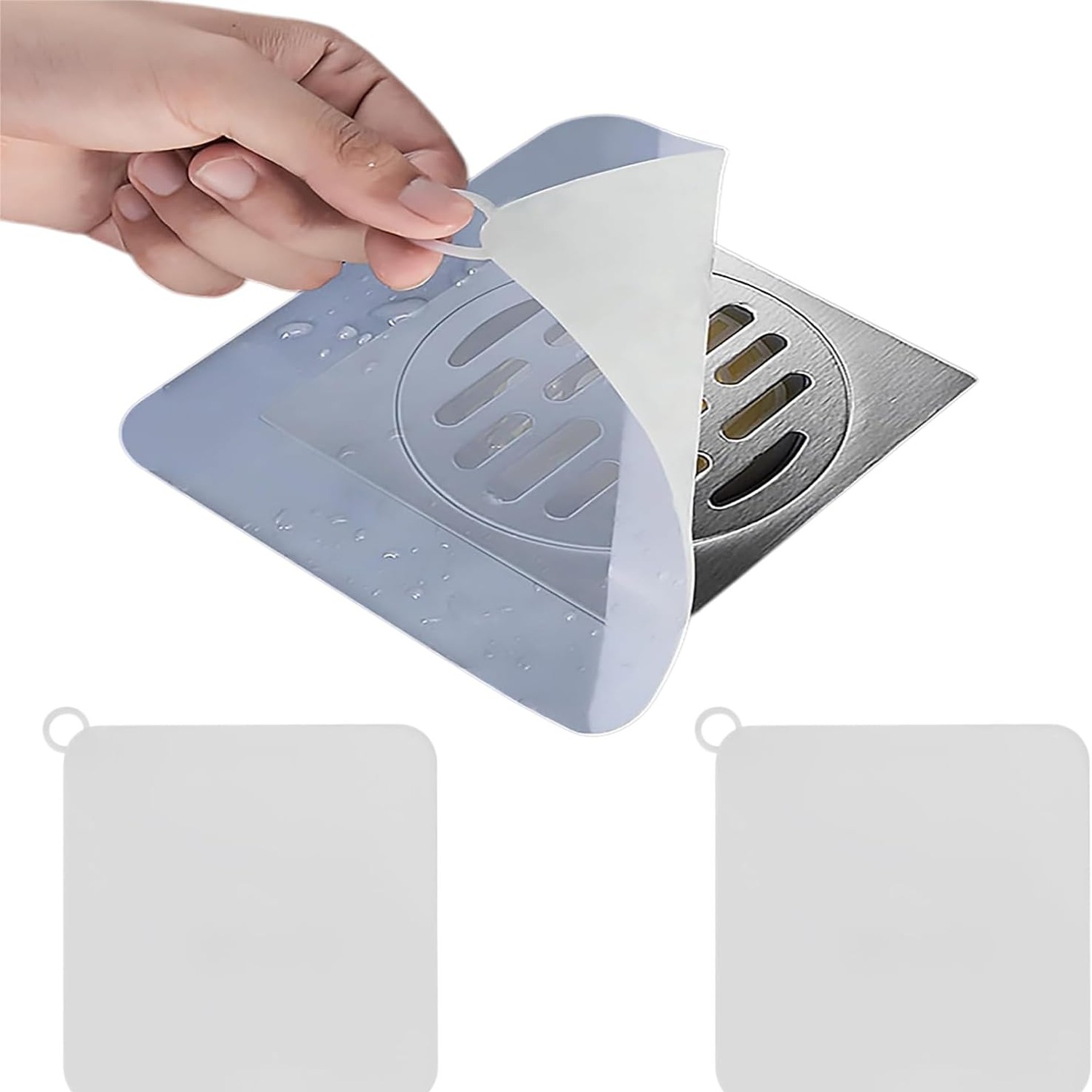
There is nothing clever happening here, which is a point in its favour. The mat has two faces. One is smooth and goes down. One is frosted and faces up.
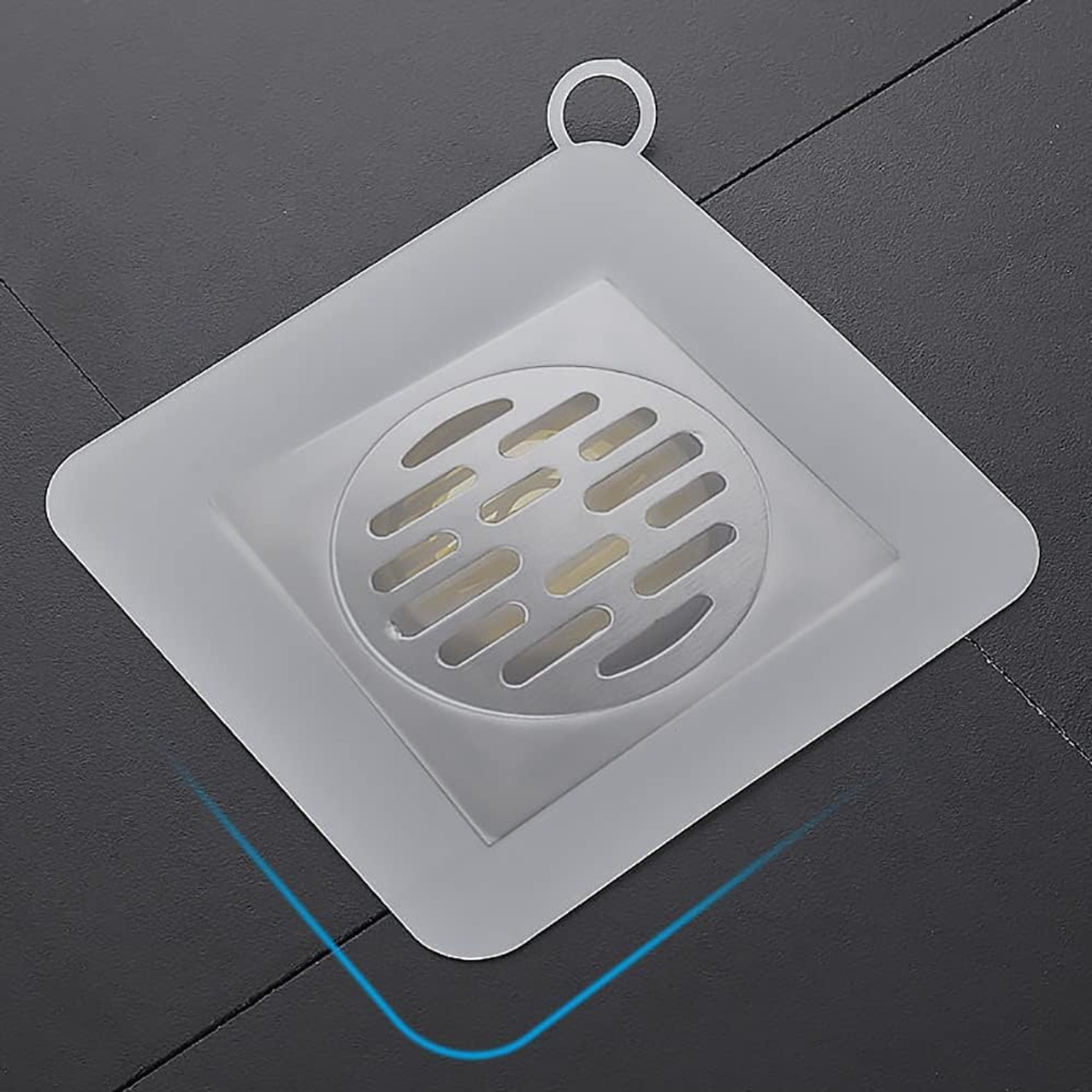
You put the smooth face on a wet, flat surface over the drain opening and press the middle. The air trapped underneath escapes around the edges, and atmospheric pressure holds the mat down. It is the same principle as a suction cup, just spread wide and flat instead of concentrated in a little dome.
To take it off, you lift an edge. Air rushes back under, the seal breaks, and the mat comes up in your hand. No pulling, no prying and nothing that can jam.
The frosted top is there for a practical reason. Plain glossy silicone on a wet floor is slippery. A matte, lightly textured surface is not perfect, but it is noticeably better underfoot, and it also shows water spots less.
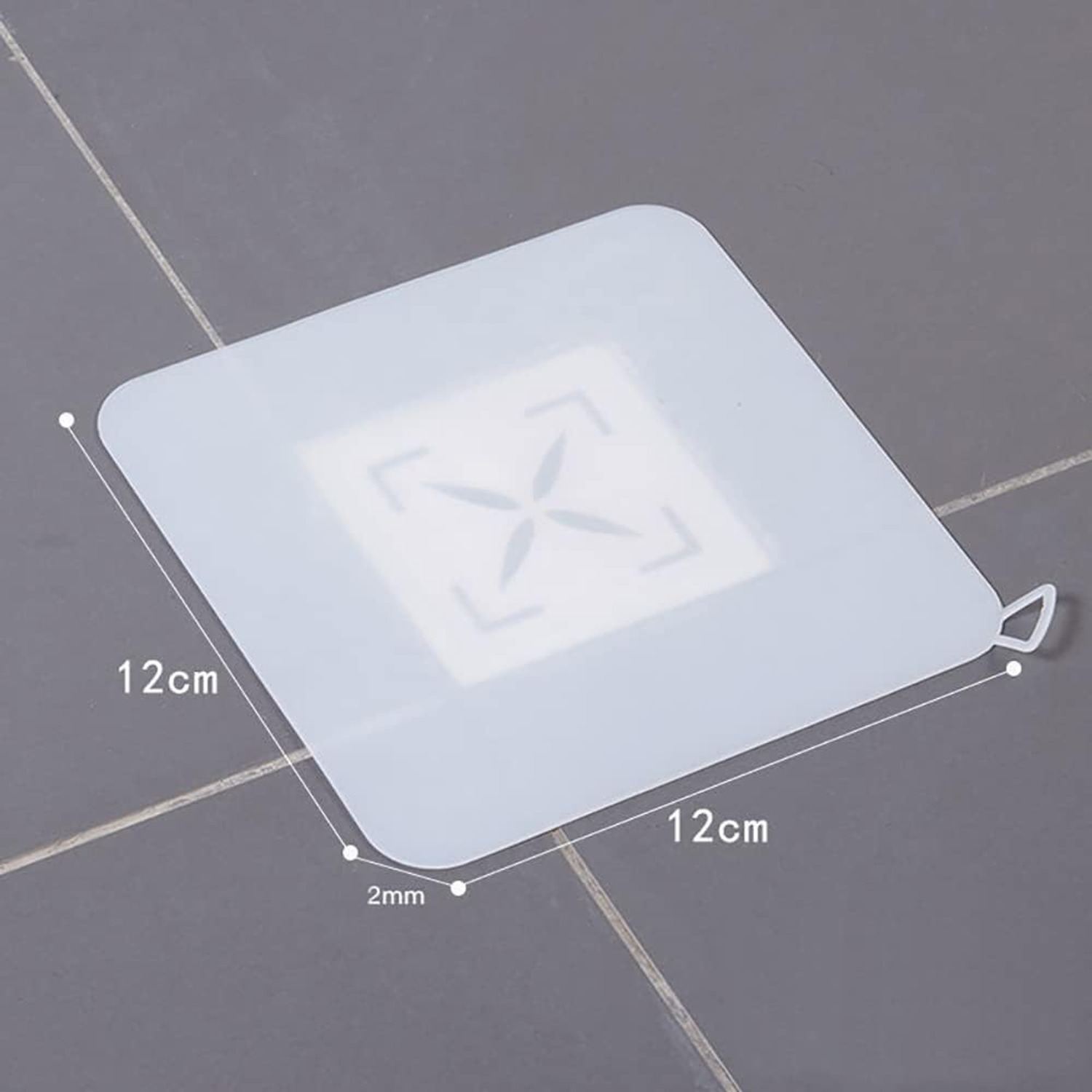
This particular set is sized at 12 cm across with a compatible groove diameter of 5 inches, and it comes two to a pack.
Why two in the pack matters more than it sounds
A single drain cover lives its whole life wet. It sits in a shower, gets rinsed, goes back down, gets rinsed again. Even with good habits, a film builds up.
With a pair, you can rotate. One hangs on its clasp and dries properly while the other is in service. When the one in use gets a soapy film, you wash it and swap in the dry one rather than putting a damp, scummy disc straight back onto the tile.
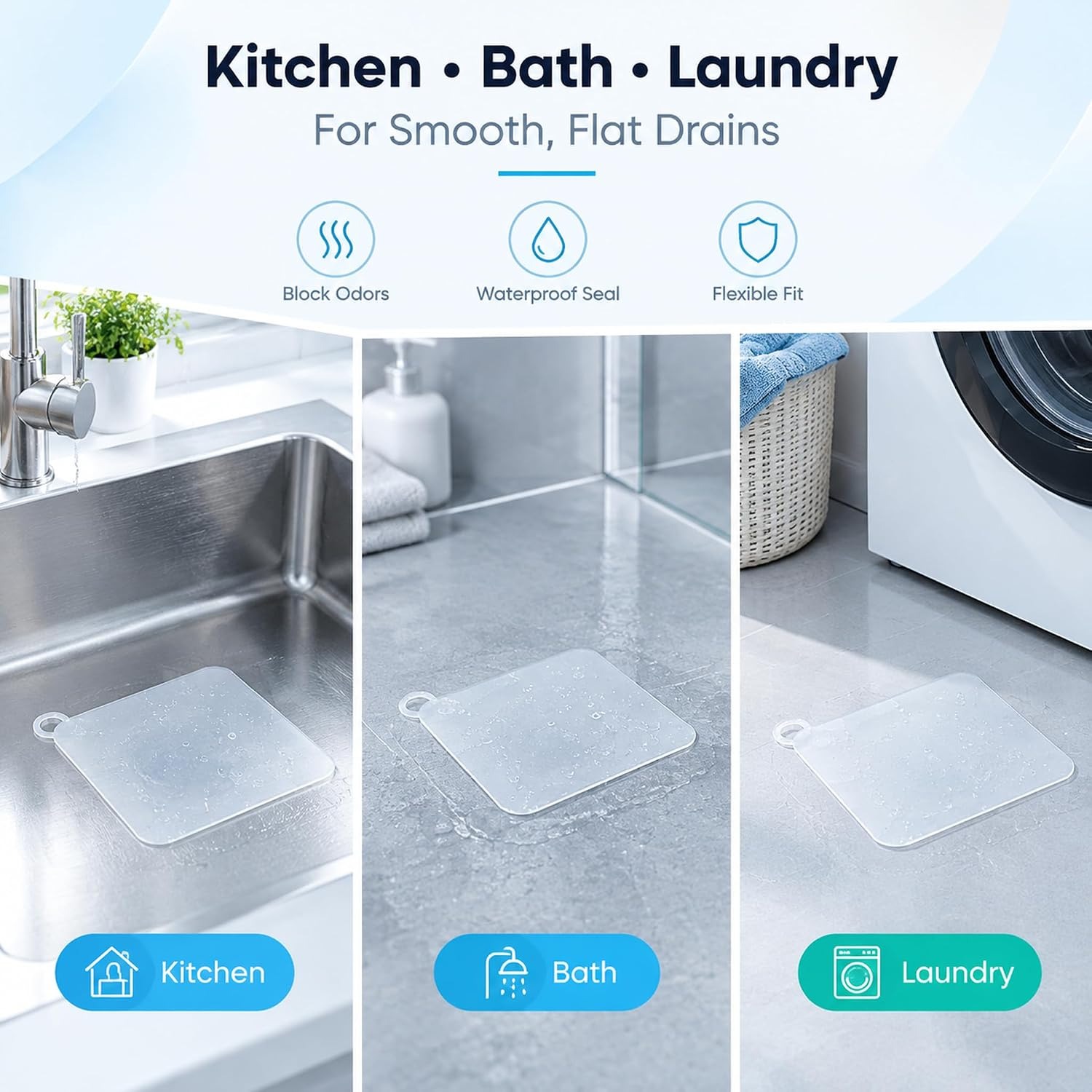
The other option is to put one in each room. A shower drain and a laundry floor drain are both candidates, and the second mat can go wherever the draft or the smell is worst.
Who this suits
Renters get the most obvious benefit. Nothing is drilled, glued or plumbed. You set it down, and when you move out you pick it up and take it with you.
Anyone with a bathroom that smells stale for no good reason should try a cover before assuming something is wrong with the plumbing. Often it is just air moving up an open drain.
Households with long hair find a flat cover easier than a strainer, because hair collects on top of the mat where you can see it and wipe it off, rather than tangling in a basket.
People with a floor drain in a laundry room, a utility room or a basement often have the strongest case of all. Those drains are used rarely and sit open constantly, which is the worst combination.
The people this does not suit are the ones who need water to pass through. If you want hair caught while the shower runs, you want a strainer, not a cover.
How to choose the right size
This is the part people skip and then regret, so take a minute.
Measure across the drain opening, including the grate or the moulded groove around it. The usable figure is the flat, smooth area the mat has to seal against. A cover needs to overlap the opening with a margin of contact all the way around, or it will not hold.
The stated compatible groove diameter here is 5 inches, with the mat itself at 12 cm across. If your drain surround is a little smaller than that, you are fine, because the mat will cover it with room to spare. If your drain is bigger, this is not the right product and no amount of pressing will fix that.
Also look at the surface, not just the size. Suction needs something smooth. Textured non slip shower bases, heavily grouted tile joints and sinks that curve steeply into the drain all weaken the seal. A flat smooth area of a few centimetres around the opening is what you are hoping to find.
Getting a good seal first time
Wet the area and wet the base of the mat. A dry silicone disc on a dry floor will barely hold, and people often conclude the product is faulty when the real problem is that the surface was dry.
Centre it over the opening, then press down firmly in the middle and work outward with your fingers to push the last of the air out. You should feel it go flat and stop moving.
If it still shifts, check for hair or grit trapped underneath. One strand of hair under the rim is enough to break the seal, because it leaves a channel for air.
If the surface simply is not flat enough, try a slightly different position. A centimetre of offset is sometimes the difference between sitting on grout and sitting on tile.
Looking after it
Rinse both sides under the faucet after use. That takes a few seconds and prevents most of the problems people have with silicone in bathrooms.
When a slick film builds up, which it will eventually, wash it with warm soapy water and a soft cloth or sponge. Rinse well, because leftover soap is what attracts the next layer of grime.
Then hang it. The moulded clasp on the edge exists for this, so hook it on something and let the water run off. A mat that dries fully between uses stays clean far longer than one left face down on the tile.
Avoid steel wool and abrasive scouring powders, which will scratch the frosted surface and dull the smooth sealing face. Keep it away from open flame and hot cookware.
When a cover is not the answer
Be clear about what this is. It sits on top of the drain. It does nothing to what is inside the pipe.
If water is backing up or draining slowly, that is a blockage and a cover will not help. Clear it mechanically or get a licensed plumber in. We would not suggest reaching for chemical drain cleaners, and certainly not with a silicone cover sitting over the top.
If a smell keeps coming back even with the drain covered, the trap below may have dried out. Running water down the drain for a few seconds refills it, and that fixes a surprising number of mystery odours.
Any work that involves cutting, moving or connecting pipes belongs with a licensed plumber.
The short version
A silicone drain cover mat is a flat disc that holds down by suction, cuts the stale air coming up an open drain, gives you a less slippery surface over the opening, and lifts off with one finger when you want the water gone.
Measure your drain groove and check it suits 5 inches. Make sure the area around the opening is smooth and flat. Wet the surface before you press the mat down. Rinse it, hang it and let it dry.
Two come in the pack, which means a spare while one dries, or coverage for a second drain somewhere else in the house. For a fix that needs no tools and leaves nothing behind, that is a fair trade.