
The complete guide
Choosing a Snap In Floor Drain Cover That Actually Fits
The puddle that keeps coming back
Most people do not think about a floor drain until water stops going down it. Then it becomes the only thing they think about. A shower floor that holds water around your feet, a patio that turns into a shallow pond after rain, a garage with a wet patch that never dries. Nine times out of ten the cause is not a collapsed pipe or a serious blockage deep in the system. It is the top few centimetres, where leaves, hair, lint and grit have packed down into a mat.
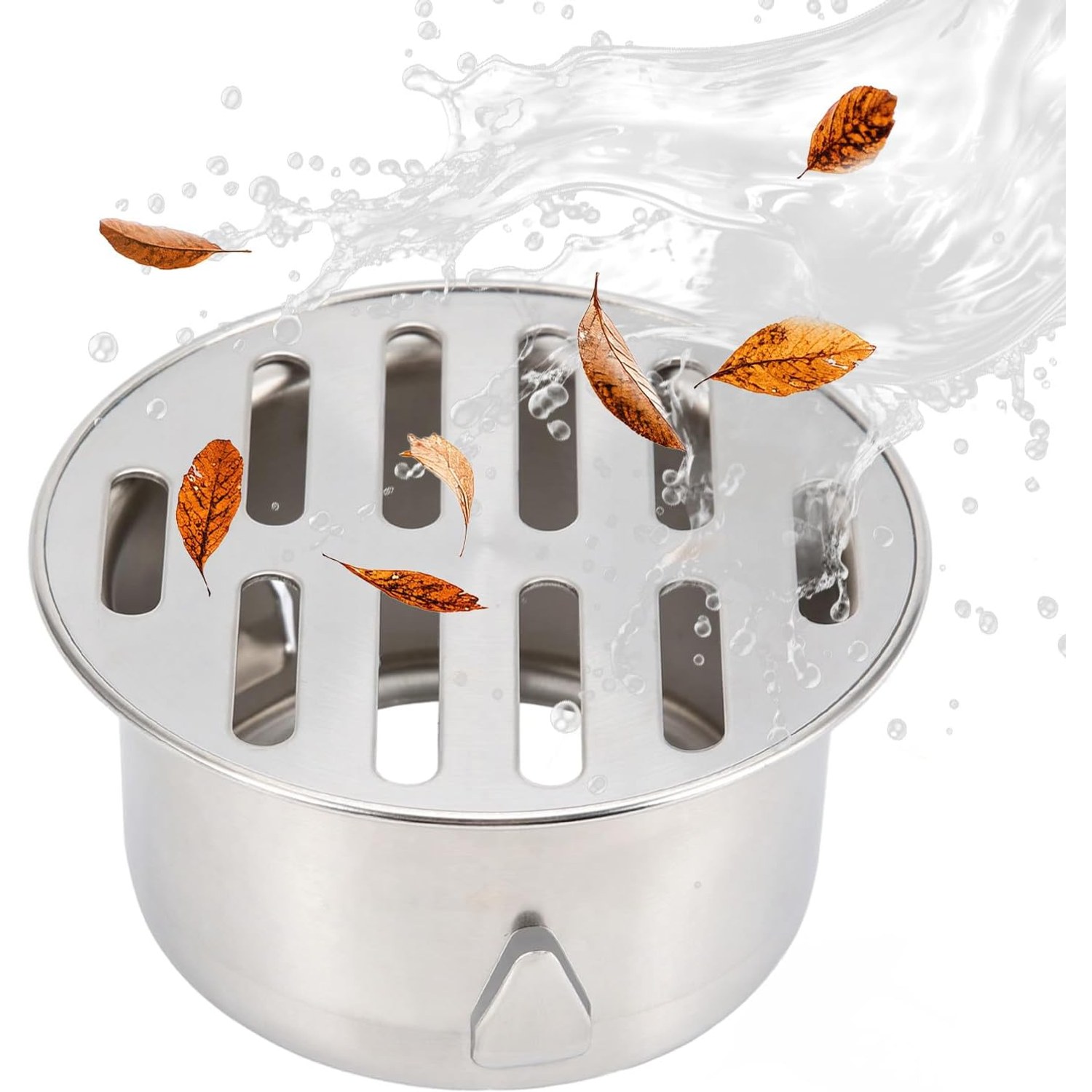
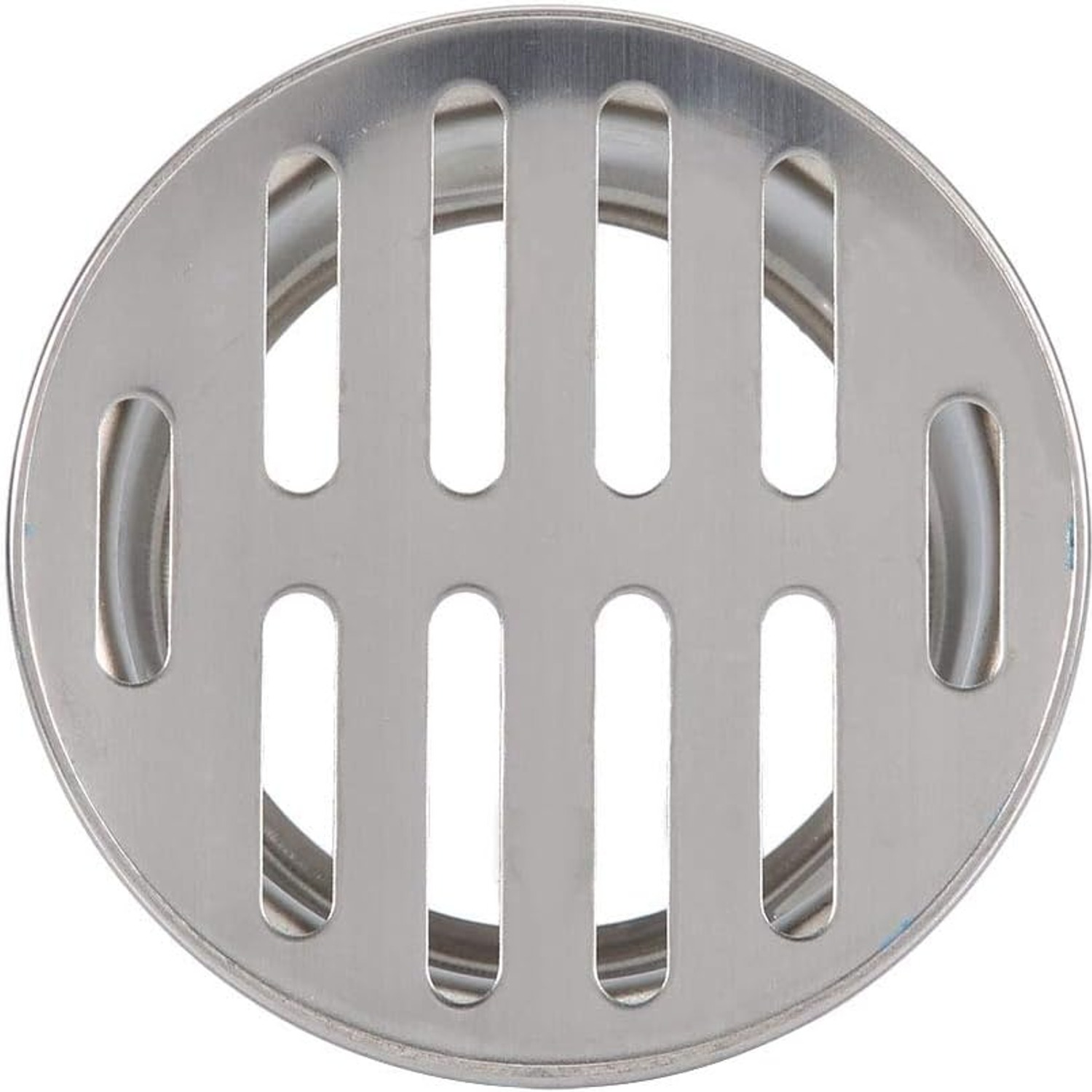
The honest fix for that is a decent grate. A floor drain with no cover takes everything the floor hands it and sends it straight into the pipe, where it settles and builds. A floor drain with a cracked, warped or rusted cover does nearly the same thing, because the gaps are no longer doing their job. A good round floor drain grate sits flush, holds back the big stuff and lets you clear it in half a minute.
How a snap in cover works
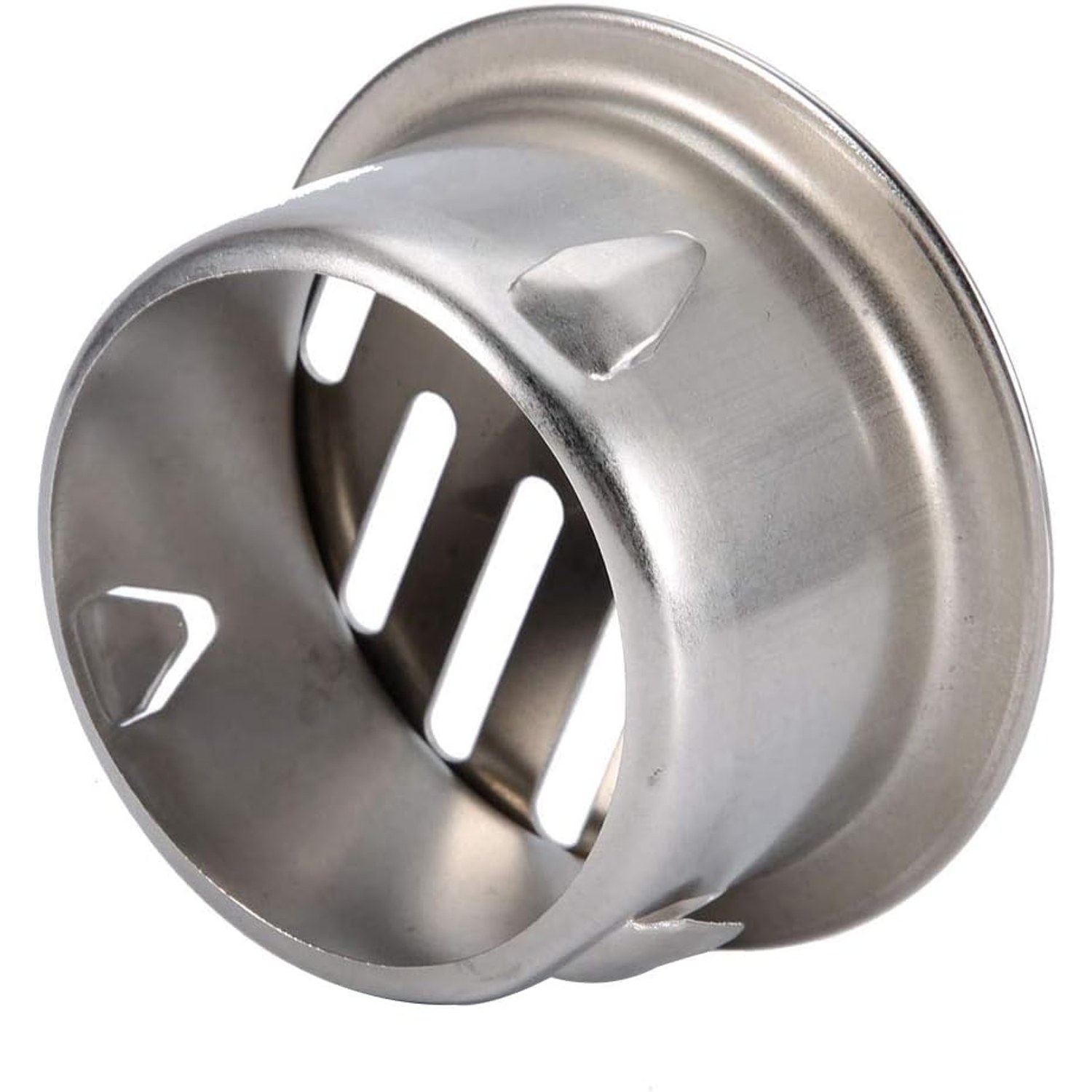
A screwed cover needs holes, anchors and usually a bit of swearing. A snap in cover skips all that. Fasteners on the underside press outward against the inside wall of the drain opening, and friction does the rest. You line the cover up, push down, and it seats.
The clever part on this particular grate is that the fastener tilt is adjustable. Drain openings are never quite identical, even when they are nominally the same size. Older pipe can be slightly out of round, or a previous cover may have left a lip of old sealant behind. If the cover feels loose, you bend the fasteners out a touch. If it will not drop in, you ease them in. A minute of trial and error gets you a fit that holds.
That adjustability is worth more than it sounds. The common complaint with cheap drain grates is that they rattle, lift when water surges, or pop out when someone sweeps across them. A fastener you can tune solves most of that without tools.
Reading the size properly
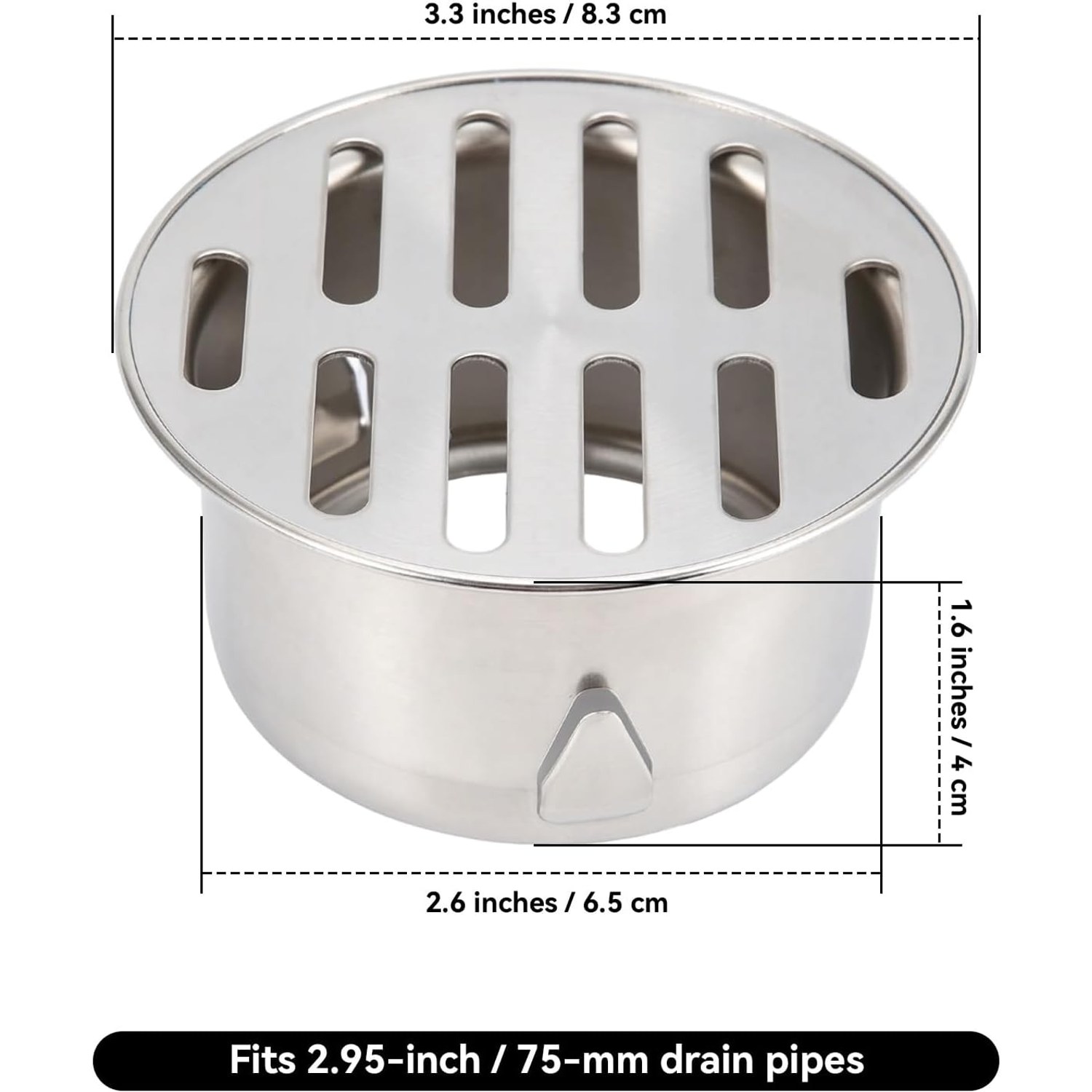
This cover is 3.3 inch across and made for a 75 mm flat mouth drain opening. Those two numbers describe different things, which trips people up. The 3.3 inch figure is roughly the grate itself. The 75 mm figure is the pipe it drops into.
So before ordering, pull your old cover out and measure the inside of the pipe at its widest point. Do it in millimetres. One inch is 25.4 mm, and converting back and forth is where mistakes happen. If your measurement lands close to 75 mm, this is your cover. If it reads closer to 50 mm or 110 mm, it is not, and no amount of adjusting the fasteners will change that.
Also look at the mouth shape. A flat mouth opening has a plain straight edge at the top. Some drains instead have a stepped seat or a threaded collar, which needs a different style of cover. A quick look down the hole with a flashlight tells you which you have.
Why stainless steel earns its place
Drain covers live a rough life. They sit in water, soap scum, mud, sweepings and whatever the weather drops on them. Plastic goes brittle in sun and cold. Painted steel chips, then the chip becomes a rust spot, then the rust spot becomes a hole. Plated finishes flake.
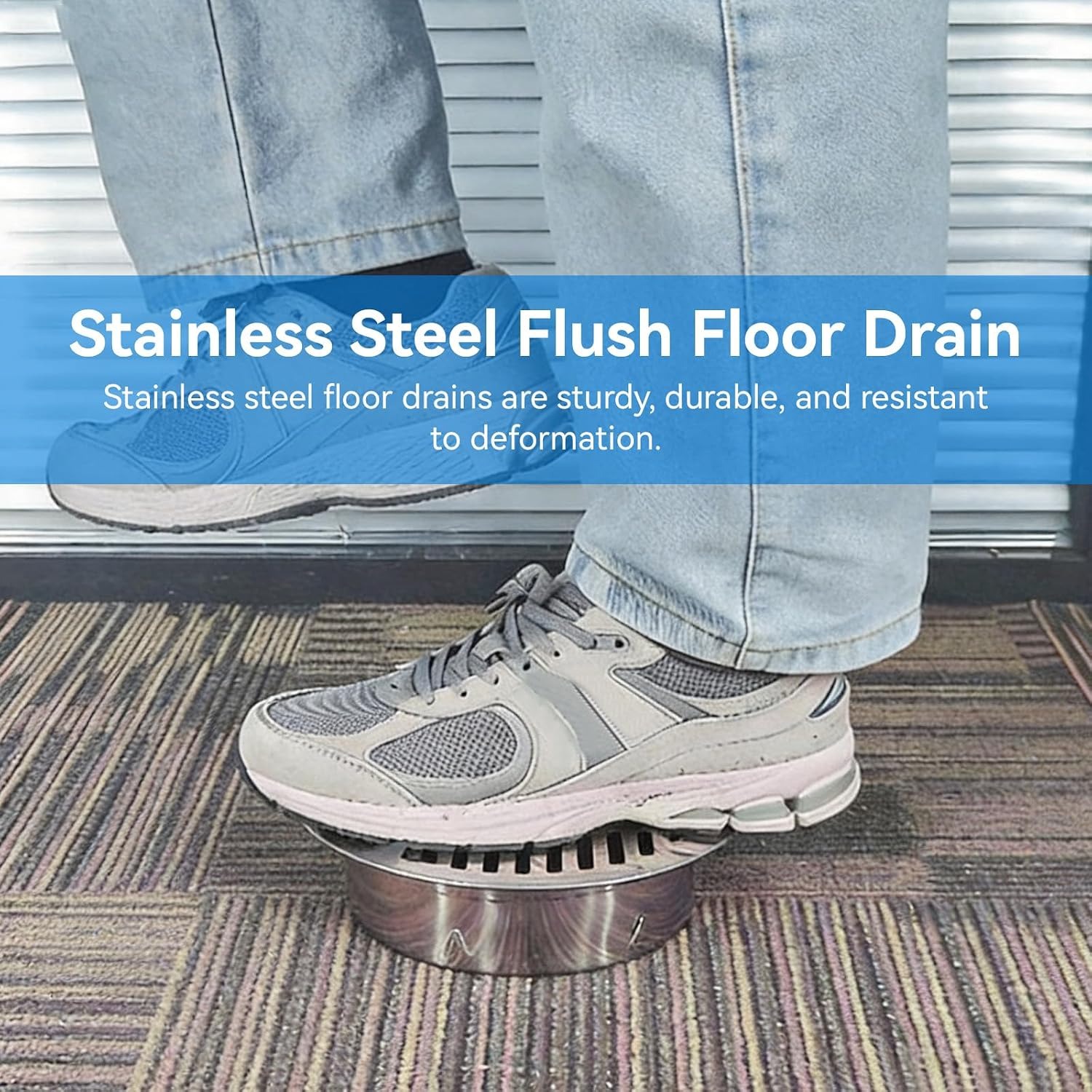
Stainless steel is the material that handles this without drama. It takes standing water without corroding, the smooth finish wipes clean with a cloth, and it does not stain the surrounding tile or concrete the way a rusting cover will. There is a cosmetic argument too. A stainless steel floor drain cover in the middle of a bathroom floor looks deliberate rather than like a patch job.
One point of realism. Stainless resists corrosion, it does not ignore chemistry completely. Leaving salty or heavily soiled water sitting on any steel for weeks is not kind to it. A rinse now and then keeps the finish looking right.
Matching the cover to the room
The same grate suits several very different spots, but the way you use it changes.
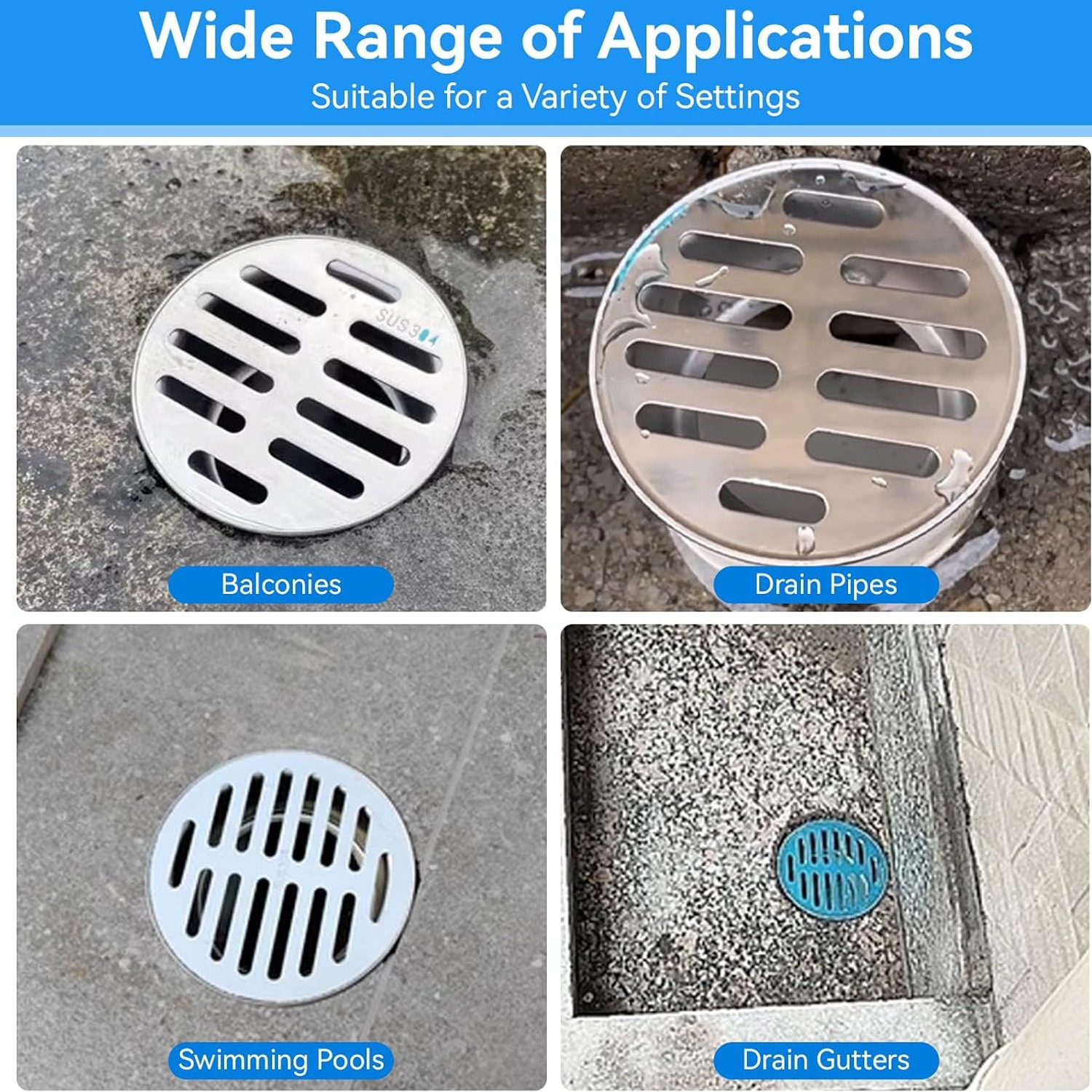
In a bathroom or washroom, hair is the enemy. It wraps around the slots, catches soap and forms a mat that water cannot get through. A bathroom floor drain grate needs lifting and clearing more often than people want to believe, maybe every couple of weeks in a busy household. The upside is that hair caught on top is easy to remove, while hair that reaches the pipe is not.
On a patio or balcony, leaves and seed pods are the issue. Autumn is the test. A patio drain strainer that is clear in September can be completely blanketed by late October. Check it after storms, not on a calendar.
In a garage, it is grit and sweepings, often with a little oil mixed in. A garage floor drain grate collects fine material that packs tight. Hose it occasionally rather than letting it cake on.
In a basement or laundry area, lint from a washer is the usual culprit, plus general dust. A basement floor drain cover is often forgotten because nobody looks at it. Put it on the same mental list as checking the furnace filter.
Fitting it without fuss
Swapping a cover is a job for a confident homeowner. Lift the old one out. If it is stuck, work a flat screwdriver gently under the edge rather than levering hard against the tile. Clear the opening of any loose gunk, old sealant or leaf mulch so the new fasteners have a clean surface to grip.
Drop the new cover in and press it down evenly. Check it sits level with the surrounding floor and does not rock. Pour a jug of water over it and watch the flow. If water pools on top rather than draining, the slots may be sitting against debris you missed.
Anything beyond this is plumbing. Cutting pipe, repositioning a drain, connecting new runs, any of that belongs to a licensed plumber. A cover swap is a cover swap, and it should stay that way.
Keeping it working
Cleaning is the whole maintenance plan. Lift the grate, tip the collected material into the garbage, wash it in warm water with a bit of dish soap and a soft brush for the slots, rinse and refit. Thirty seconds, done.
Two things to avoid. Steel wool and gritty scouring powder will scratch the smooth finish, which then traps scum more easily, which means more cleaning later. And chemical drain cleaners are not the answer here. They do nothing for a grate you can simply lift and rinse, and if the pipe below is genuinely blocked, that is a job for a plumber with the right tools.
While the cover is out, glance down the opening with a flashlight. Catching a buildup early is far easier than dealing with it after a backup.
Buying a spare
If you have more than one drain of the same size, buying two or three makes sense. You can fit a clean one straight away and wash the dirty one at your leisure, which is much more likely to actually happen than standing over a sink with a brush while water pools behind you. Spares also cover the day one gets stood on by a ladder leg or disappears during renovations.
The short version
Measure the inside of your drain opening first, in millimetres. If it comes in around 75 mm with a flat mouth, this 3.3 inch stainless steel grate drops in and holds itself there with adjustable snap fasteners, no screws required. The open slot pattern keeps water moving while catching the leaves, hair and grit that cause most slow drains.
It works indoors and out, in bathrooms, kitchens, washrooms, patios, garages and basements. Stainless steel copes with the damp. The cover weighs almost nothing, lifts out by hand and goes back in the same way, which is the real reason it keeps working. A cover you can clean easily is a cover you will actually clean.