
The complete guide
How To Choose And Use A Flexible Grabber Claw Tool
The moment you need one
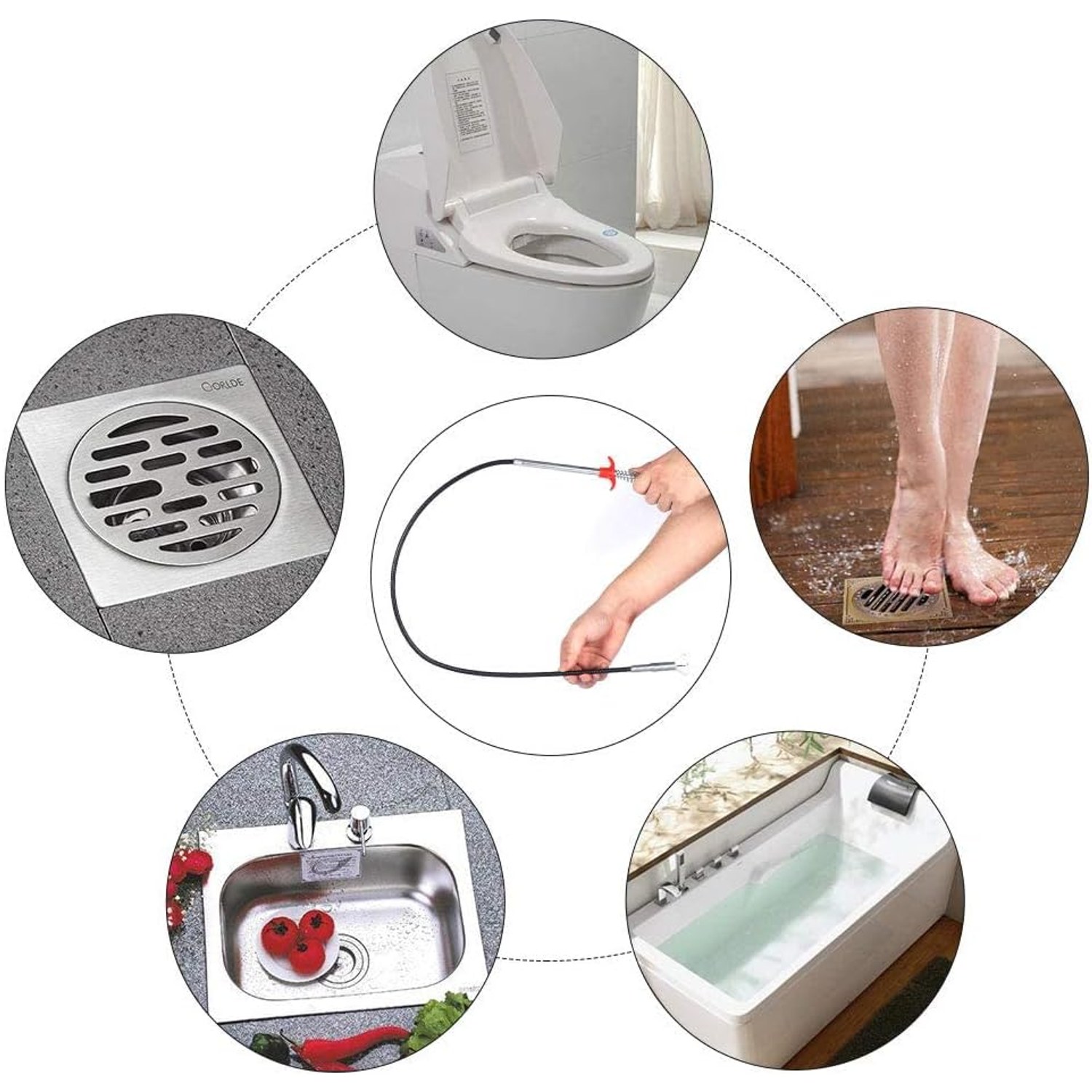
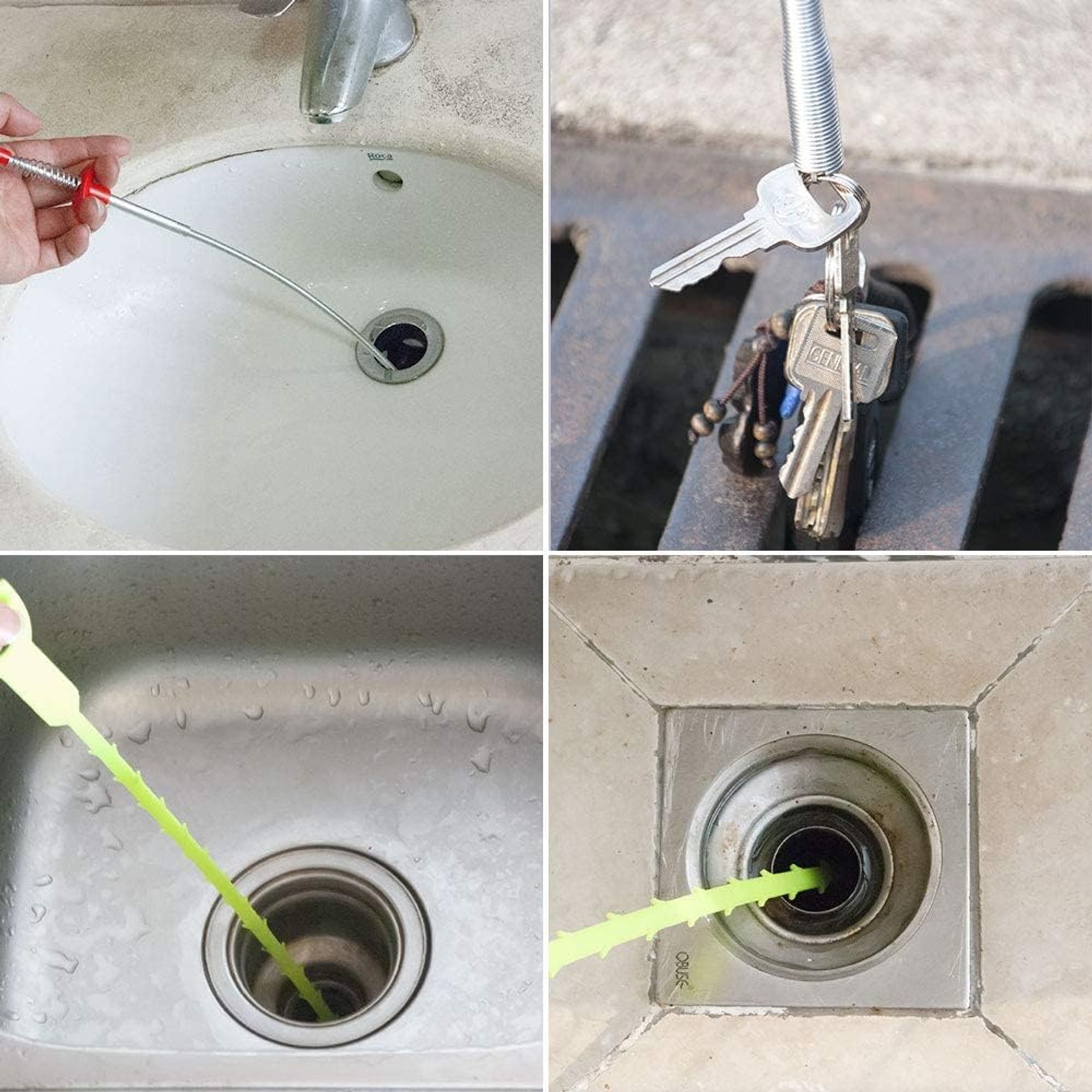
A ring goes down the bathroom sink. A screw rolls under the fridge. A hair tie disappears into the tub drain and the water starts draining slowly a week later. These are small problems that feel enormous for about ten minutes, and they all share one thing. The item is only a few inches away, but there is no way to get a hand on it.
Most people try a coat hanger first. It almost never works, because a hanger has no grip. You can hook something if you are lucky, but more often you nudge the item deeper and make the job harder. The other option is taking the trap apart under the sink, which means a bucket, a wrench, and a decent chance of a leak when you put it back together.
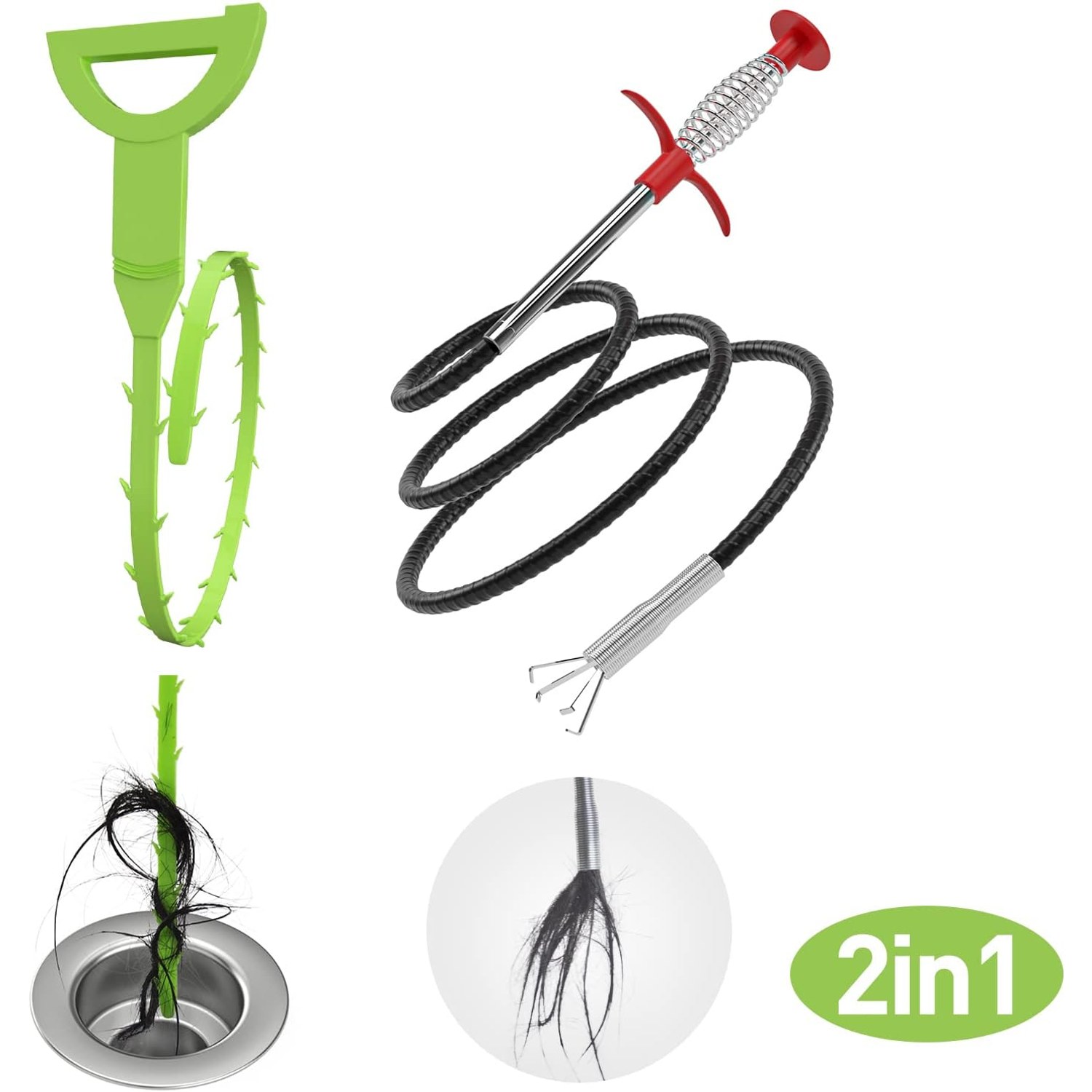
A flexible grabber claw tool 35 inch long is the middle path. It gets in, it holds on, and nothing comes apart.
How this tool works
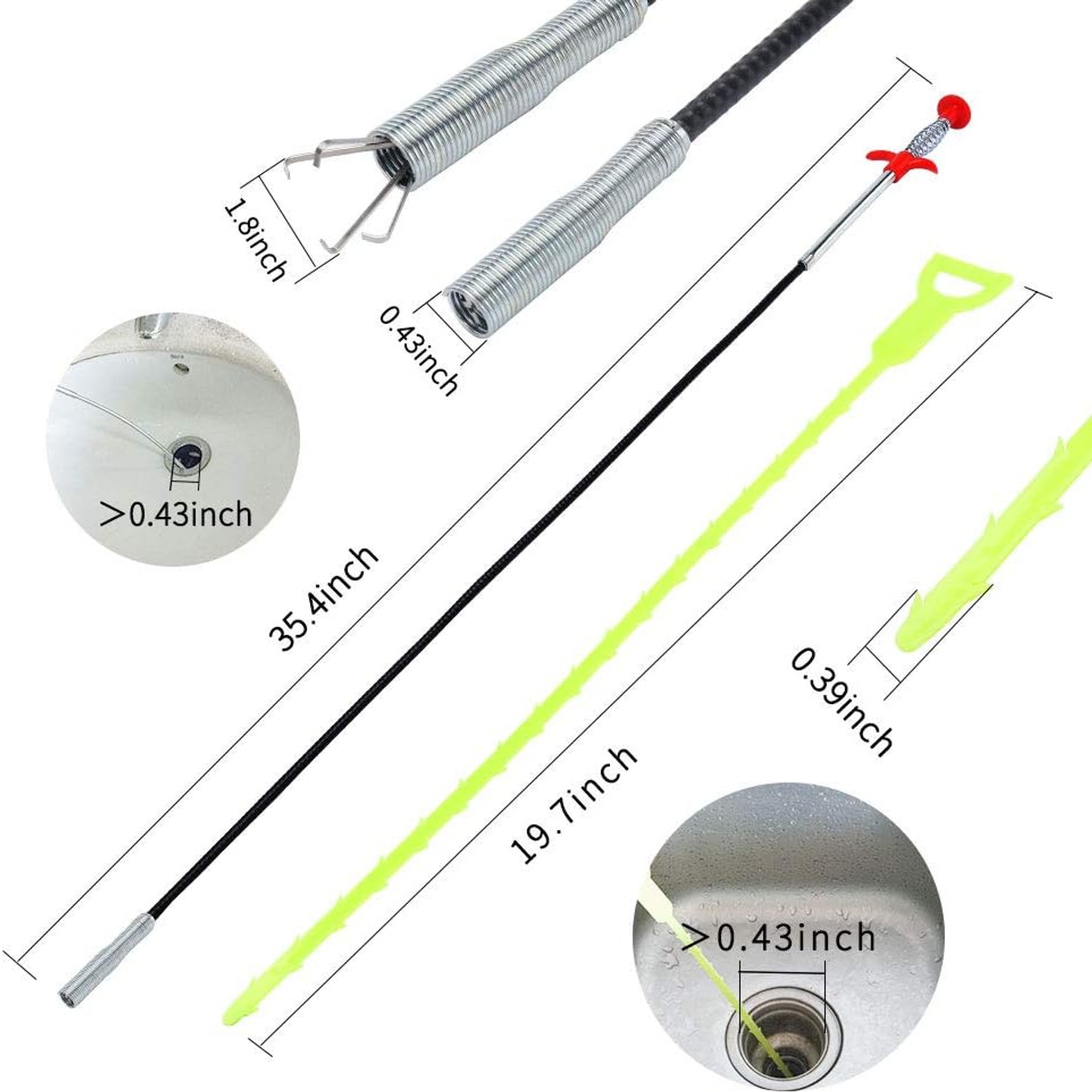
The design has two parts worth understanding. The shaft is a flexible stainless steel tube, 0.43 inches across (about 11 mm) and 35.4 inches long. That slimness is the feature. Plenty of grabber tools are thicker and better suited to picking up litter in a yard, but they will not pass through a drain opening. This one will, in many cases.
The tube bends under hand pressure and stays bent. You shape it before you go in, usually a gentle curve in the last four or five inches, so the tip follows the turn in the pipe instead of jamming against the wall of it. Once inside, you steer by rotating the handle, which turns the curved tip like a rudder.
At the top is a red plastic handle. Press it and four small claws push out of the tip and spread open. Release it and the spring pulls them back in, closing them around whatever sits between them. There is no trigger lock and no ratchet, which keeps the mechanism simple and means there is very little to go wrong.
Four claws rather than two makes a real difference on round objects. A coin or a ring caught between two jaws can pivot and drop. Four points of contact, closing in from four sides, hold it much more securely while you draw it back up.
Who it suits
If you own a home, rent an apartment or manage property, this is a drawer tool you will reach for a few times a year and be very glad of each time. It earns its keep the first time it saves you from dismantling a sink trap.
It also suits people with limited mobility or anyone who finds bending and reaching difficult. At 3.52 ounces the whole thing is lighter than a smartphone, so holding it at full extension is not tiring, and the length means you can pick things off the floor without kneeling.
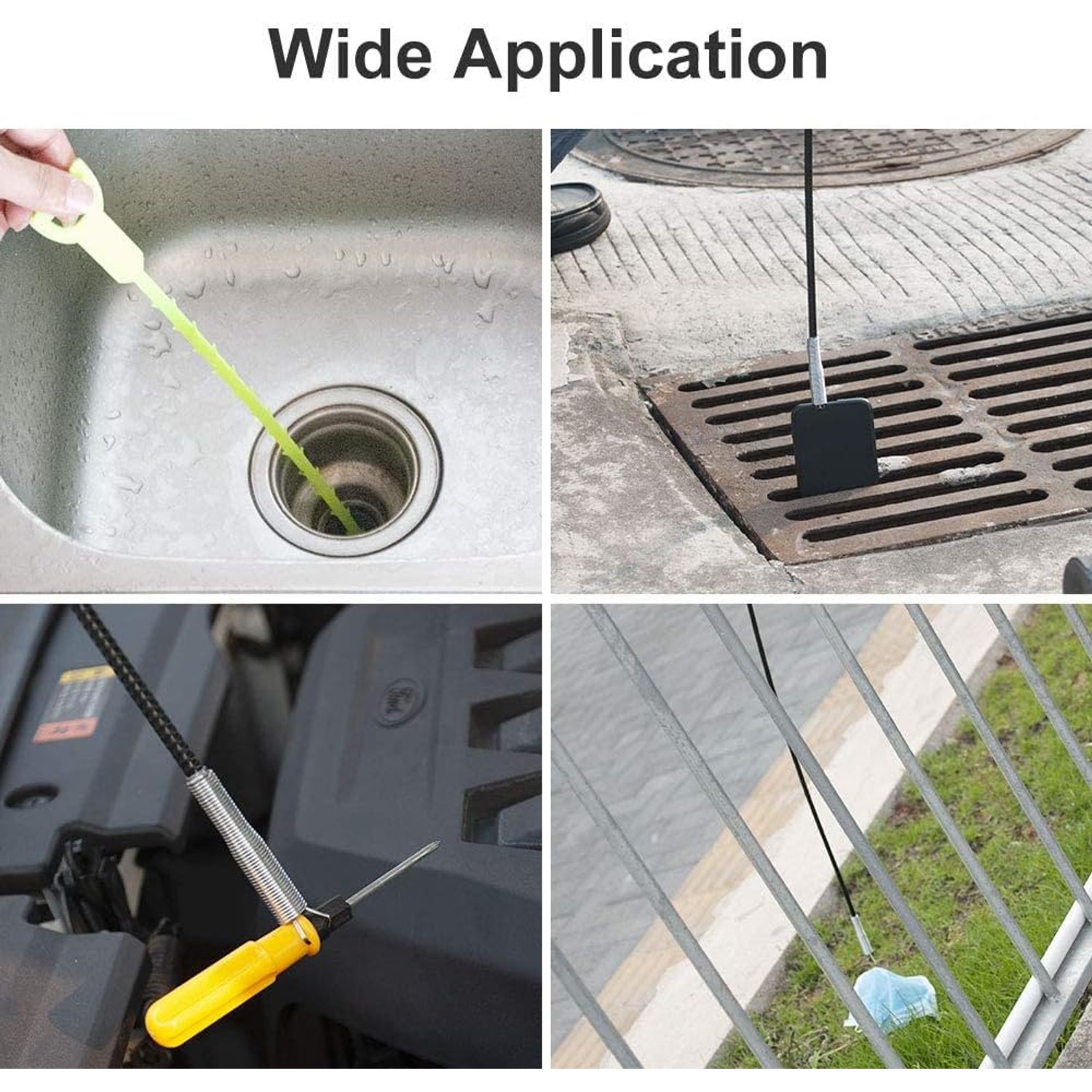
Parents find uses for it constantly. Small toys, building blocks and puzzle pieces have a gift for ending up in the gap beside the dishwasher or under a built-in cabinet. A long reach pick up tool with a slim profile gets them out without pulling the appliance.
What it is not
It is worth being honest about the limits. This is a retrieval tool, not a drain auger. It can hook loose hair and gunk sitting within reach of the claws and bring it out, which often fixes a slow drain. It cannot bore through material packed hard several feet down the line. For that you want a proper drain auger, and for anything involving cutting, moving or connecting pipes you want a licensed plumber.
It is also not built for weight. The claws are small and spring driven. They will hold a ring, a screw, a battery or a bottle cap comfortably. They will not hold a hand tool or anything with real mass, and trying is the fastest way to lose the item halfway back up.
Finally, it is one tool at one length. The 35.4 inch reach is generous for household work, but if you need to go further into a long run of pipe, this is not the tool for the job.
How to choose between grabber tools
The two numbers that matter are diameter and length, in that order.
Diameter decides whether the tool can enter at all. Measure your drain opening with the stopper removed. If the opening is narrower than about half an inch, a standard grabber is out and a slim shaft like this one is your only realistic option. Gaps behind appliances are usually forgiving, but drains are not.
Length decides how far past the entry point you can work. Think about where the item actually sits. In a bathroom sink, the trap is usually within a foot or so of the drain opening, so 35 inches gives you plenty of margin. Under a washer or behind furniture, you are measuring the depth of the gap plus the distance from where you can comfortably stand.
Then look at the tip. Claws grip, magnets attract ferrous metal only, and hooks snag. A four claw reaching tool is the most versatile of the three because it does not care what the item is made of. If you are only ever chasing screws and nails, a magnet might serve you better, but for jewellery, plastic caps and general household items the claws win.
Flexibility is the last thing to check. A rigid shaft is fine for an open gap and useless in a pipe. A bendable shaft that holds its shape gives you both.
Using it well
Patience does most of the work. Rushing a drain retrieval is how items get pushed further down.
Start by removing the stopper or drain plug so you have a clear opening. If there is standing water, drain or sponge it out first. You work almost entirely by feel, and you will feel far more through a dry pipe than through water.
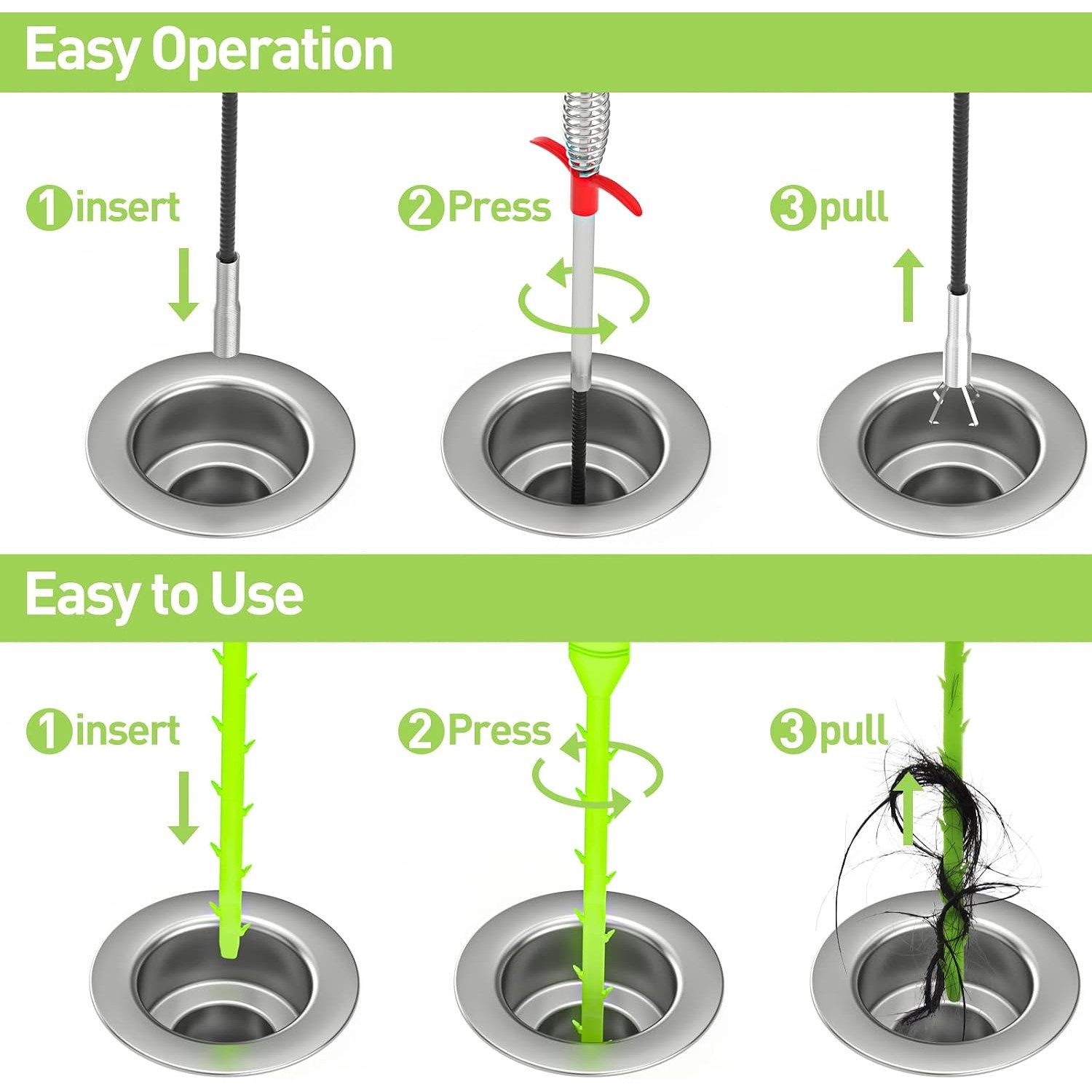
Pre-bend the tip to roughly match the turn you expect. Feed the shaft in slowly with the claws closed, so nothing catches on the way down. When you feel resistance, that is usually either the bend in the pipe or the item itself. Rotate the handle gently to see if the tip slides past, which tells you which one you found.
Once you think you are on the item, press the handle to open the claws, lower them another fraction of an inch, then release. Lift straight up rather than at an angle. If the grip feels loose, set it down and try again rather than hoping it holds for 12 inches of travel.
For hair and buildup, a slow twist as you withdraw tends to gather more than a straight pull.
Looking after it
Rinse the shaft and claws under warm running water after any drain work, then dry with a cloth. Metal left wet in a drawer will eventually show it, even stainless. Work the handle a few times while dry so grit does not settle into the mechanism.
Store it straight. Hanging it on a hook is ideal. Coiling a flexible shaft tightly or burying it in a packed drawer will eventually set a kink that you cannot bend out, and a kinked tube is harder to feed into a narrow opening. Keep the plastic handle away from heat sources.
If a claw bends out of line after a hard pull, you can usually ease it back with your fingers. Do not force it.
The short version
This is a slim, bendable, 35.4 inch stainless steel shaft with four spring claws and a press-and-release plastic handle. At 0.43 inches across it fits where most grabbers cannot, which makes it genuinely useful for drain retrieval rather than just yard pickup. It weighs 3.52 ounces, so it is easy to hold steady at full stretch.
Buy it if you want a cheap, simple way to get a dropped item back out of a drain or a tight gap without taking plumbing apart. Do not buy it expecting it to clear a serious blockage or lift anything heavy, because that is not what four small claws are for.
Keep it rinsed, keep it straight, and it will sit quietly in a drawer until the day you really need it.