

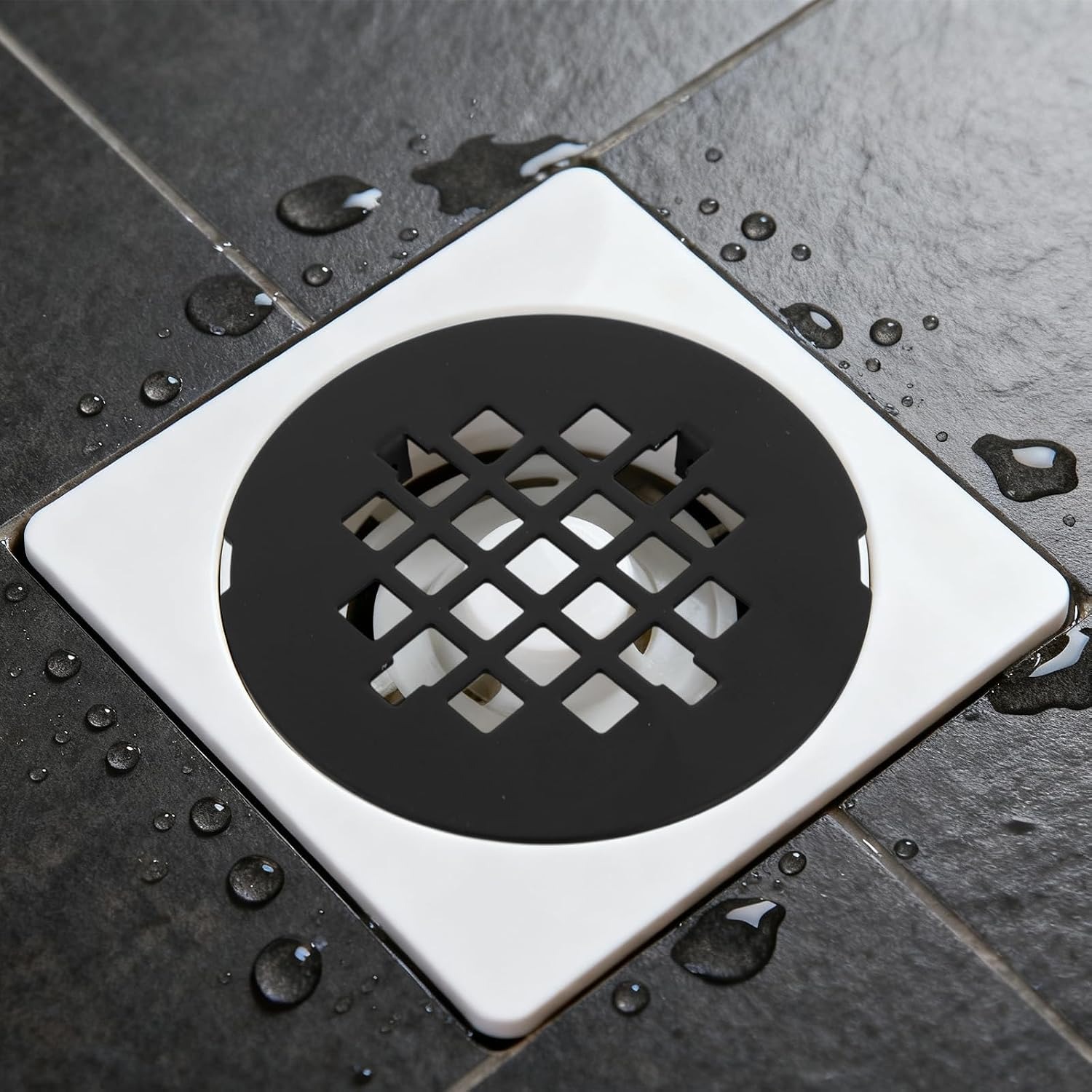
The complete guide
How to Choose and Fit a Snap-In Shower Drain Cover
The small part nobody thinks about until it fails
A shower drain cover does two jobs at once. It filters what goes down the pipe, and it finishes the floor. When it is working, you never look at it. When it is not, it is the first thing you see.
The usual failure is slow. Chrome plating lifts at the edge. A screw rusts into its seat. Someone drops a shampoo bottle and bends a thin pressed grid. Then hair starts slipping past the gaps and the shower takes a minute longer to empty every month.
Replacing the cover is one of the easiest bathroom fixes there is. No cutting, no sealing, nothing to connect. The hard part, honestly, is buying one that fits.
What the snap-in design actually does
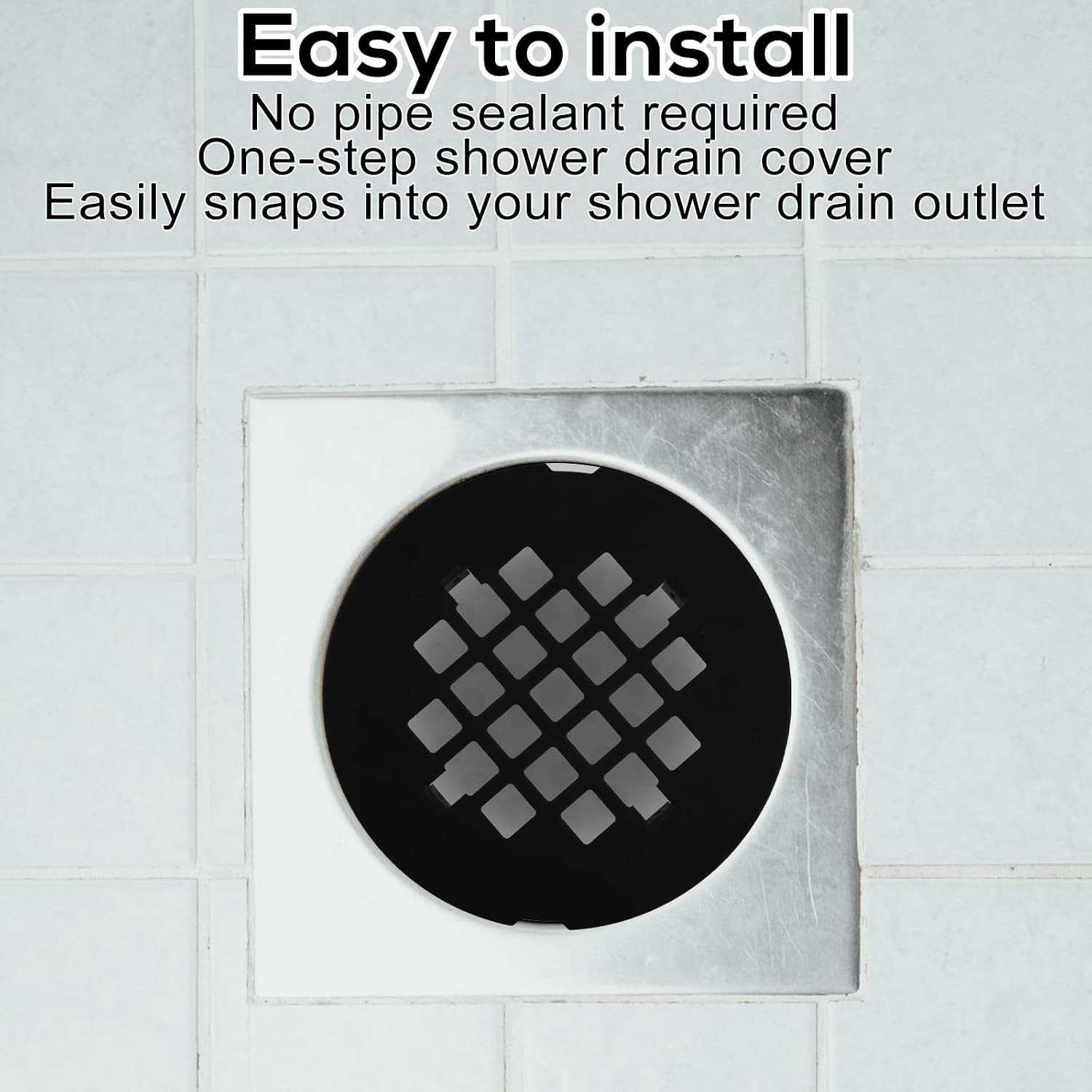
A snap-in cover holds itself in place with spring tension instead of screws. Underneath the grid there are small tabs that flex inward as you push the cover down, then press outward against the inside wall of the drain groove once it is seated.
That means two measurements matter, not one.
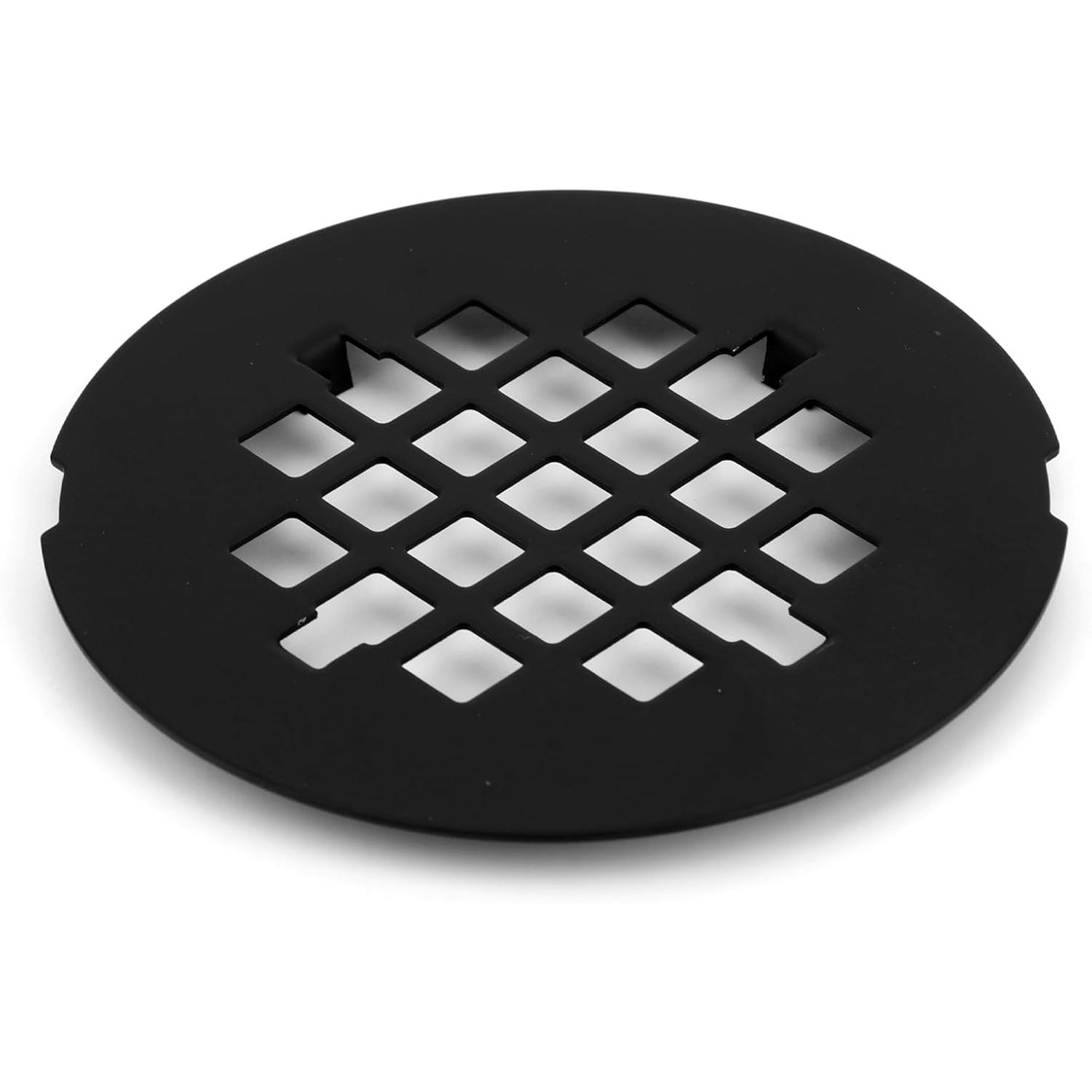
The first is the outer diameter, which is the visible face. On this cover it is about 4.25 inches (10.8 cm). That face rests over the opening and covers the rough edge of the tile or the lip of the drain body.
The second is the snap spacing, about 2.87 inches (7.3 cm). That is the part doing the real work, gripping inside the groove. If your groove is wider than that, the tabs will not reach and the cover will rattle or lift. If it is narrower, the cover will not go in at all.
So before anything else, pull the old grid out and take a tape measure to the opening. Measure the groove across the middle, at the widest point. Write both numbers down. It takes two minutes and saves a return.
Why stainless steel is worth it here
Plastic covers are cheap and they do work for a while. The trouble is that plastic goes brittle in hot water over a few years, and the clips are usually the first thing to snap.
Thin pressed metal has a different problem. It bends. Stand on it once at the wrong angle and the grid dishes in the middle, which breaks the seal of the snap tabs and leaves it loose forever after.
Stainless steel sits in a better spot. It holds its shape under foot traffic, it does not mind constant wetting, and it is heavy enough that the cover feels solid rather than tinny when you press it in. For a part that lives in standing water and gets stepped on every single day, that durability is the whole argument.
The case for matte black
Finish is partly taste and partly maintenance.
Polished chrome looks sharp on day one and then shows every water spot, every fleck of toothpaste and every ring of soap film. In a hard water area you will be wiping it constantly to keep it looking the way it did in the photo.
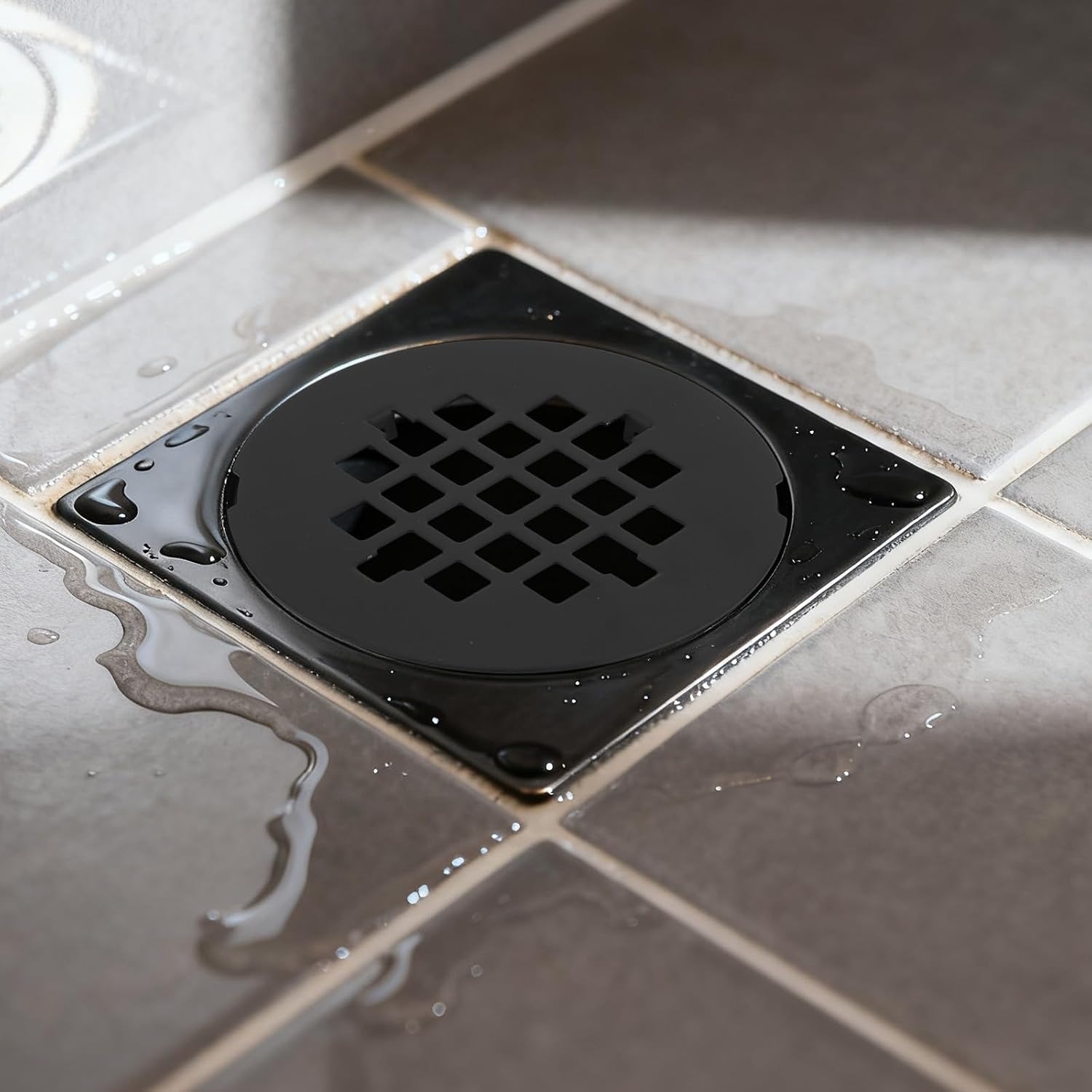
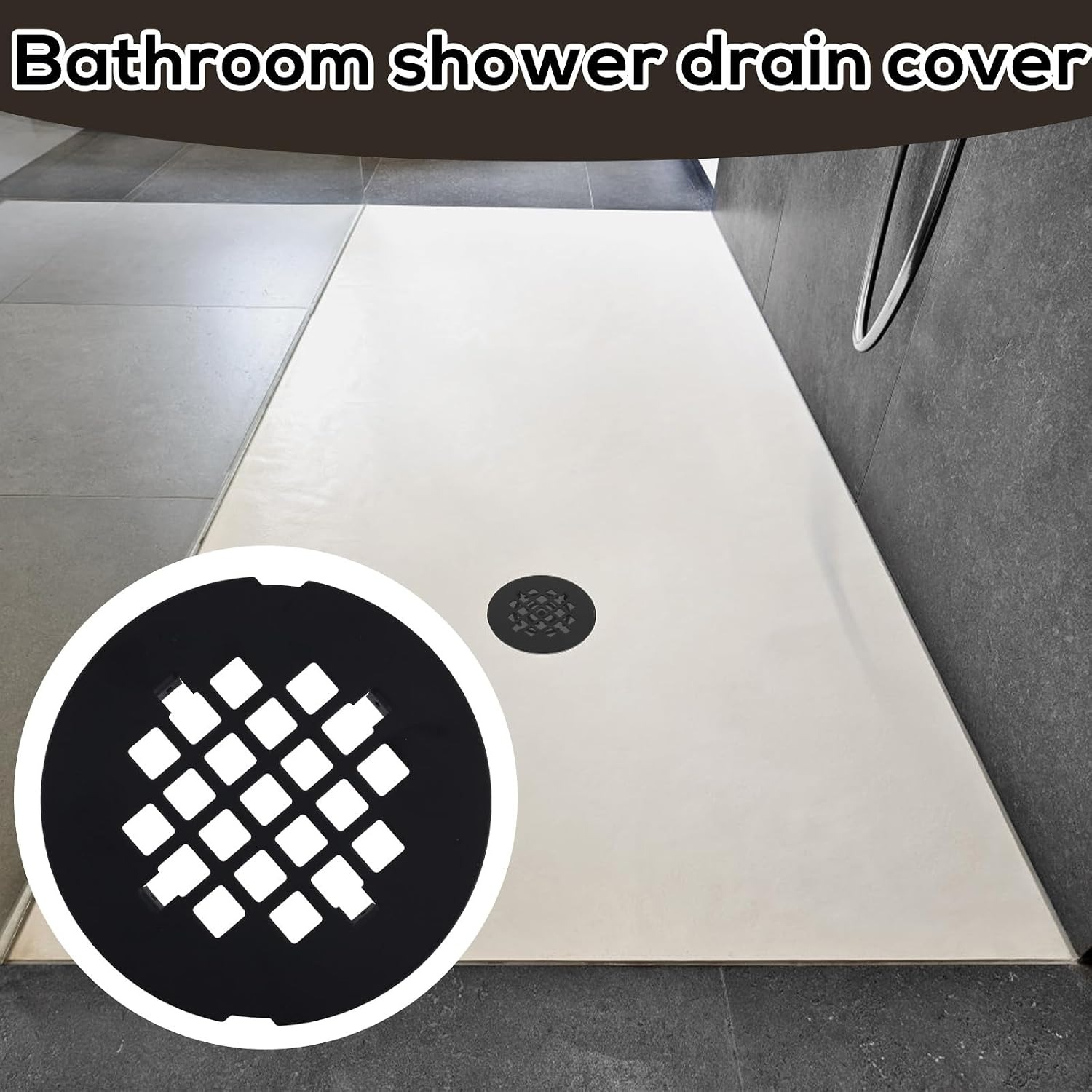
Matte black does the opposite. It scatters light instead of reflecting it, so marks are far less obvious between cleans. It also sits well with the dark faucets and black fixtures that have become common in newer bathrooms, and it works as a deliberate contrast against pale tile.
The one thing to know is that matte finishes do not like abrasives. Skip the steel wool and the scouring powder. Warm water, a drop of dish soap and a soft cloth keep it even.
Catching hair before it becomes a problem
Here is the part worth understanding. Hair does not usually block a drain on its own. It catches on something in the pipe, then soap and skin oils coat it, and the whole mass grows slowly until water starts backing up.
The fix is to stop hair getting in there in the first place. A grid with well-sized slots lets water through at full speed while hair bridges across the openings and stays on top, where you can see it and lift it off.
That changes the maintenance from an unpleasant job you put off to a five-second habit. Wipe the grid with tissue after a long shower. Once every week or two, lift the whole cover out, rinse it, wipe around the inside lip of the opening while it is off, and press it back down.
Nothing stops every clog forever. Soap scum and mineral buildup still collect below. But keeping hair out removes the thing most blockages are built around, and that alone makes a real difference to how often you need to deal with slow drainage.
Who this suits
This cover is a good match if you have a round drain opening close to those two measurements and you want to replace something worn, mismatched or missing.
It suits renters who want a tidy bathroom without touching anything fixed, since it comes straight back out when you leave. It suits anyone redoing a bathroom in black fixtures who does not want a chrome disc in the middle of the floor. And it suits households with long hair, where the hair catcher function matters as much as the look.
It is less suitable if your drain is square, if it is a linear channel drain, or if the groove measures well outside 2.87 inches. In those cases you need a different style and no amount of forcing will make a round snap-fit sit properly.
Fitting it, step by step
Start by removing the old cover. Snap-in types lift straight out, sometimes with a flathead screwdriver gently levering at the edge to get started. Screw-down types need the screws out first, and a seized screw may need a little penetrating oil and patience.
With the old grid out, clean the groove. There is almost always a ring of soap residue and hair sitting in there, and it will stop the new cover seating flat if you leave it. An old toothbrush and warm soapy water handle it.
Dry the area, line the new cover up square over the opening, and press down evenly with your thumbs until it drops flush. You should feel the tabs catch. Give it a light tug to confirm it is holding, then run the shower for a few seconds and check the water clears freely.
If the cover sits proud or wobbles, pull it out and check your measurements again rather than forcing it.
Keeping it looking good
Routine care is simple and short.
Rinse the grid under warm water with dish soap every week or two, use a soft brush on the slots if soap has built up, then dry it with a cloth before snapping it back. Drying is the step most people skip, and it is the one that keeps water marks off a matte finish.
Avoid abrasive pads, gritty cleaning pastes and harsh chemical products. None of them are needed for routine cleaning and all of them can dull the surface.
The short version
Measure first. You need the opening diameter, roughly 4.25 inches here, and the inner groove, roughly 2.87 inches. Those two numbers decide whether any snap-in cover will work.
Choose stainless steel if you want it to survive being stood on. Choose matte black if you are tired of wiping water spots off chrome. Lift it out and rinse it every week or two, and let it catch the hair so your pipes do not have to.
It is a small part and a small job. It just happens to be one of the few bathroom upgrades you can finish in a minute and notice every day after.