
The complete guide
Choosing a Toilet Plunger with a Covered Holder
The problem with an ordinary plunger
A plunger is one of those items you barely think about until the moment you need it, and then you need it immediately. That tension is what makes it awkward. Keep it in a cupboard down the hall and it is dry and hidden, but it is also three rooms away at the worst possible time. Keep it beside the toilet and it is ready, but now there is a rubber cup on display in a room people look at every day.
Most people compromise badly. The plunger ends up leaning in a corner, dripping onto the floor, slowly staining the grout. Or it sits in a shallow tray that catches water but hides nothing. Neither option is pleasant, and neither is particularly hygienic.
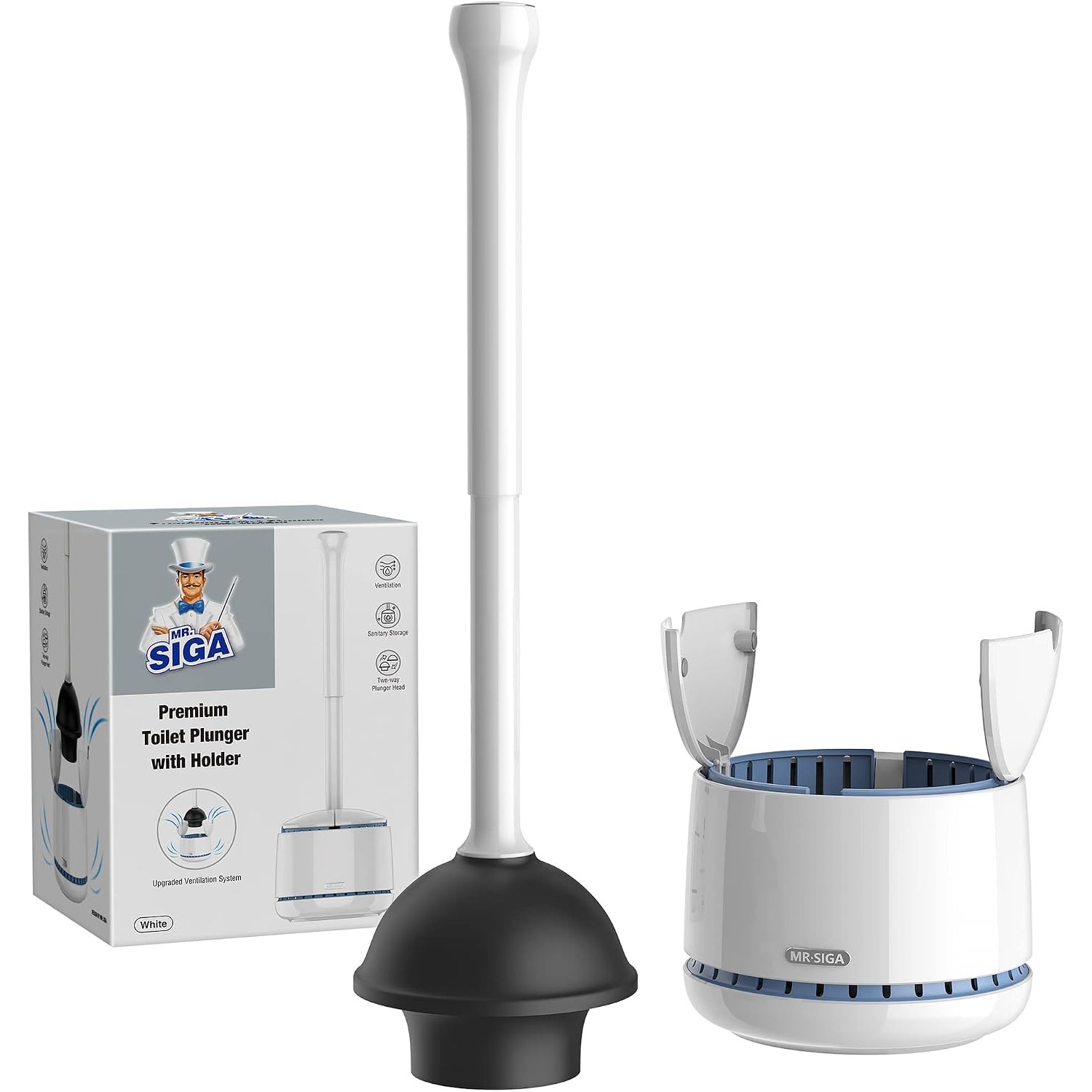
A plunger with a covered holder is the straightforward fix. The caddy stands beside the toilet so the tool is always within arm's reach, and the lid covers the cup so what you actually see is a plain closed container. The plunger stops being a visible reminder of the worst job in the house.
How the covered holder works
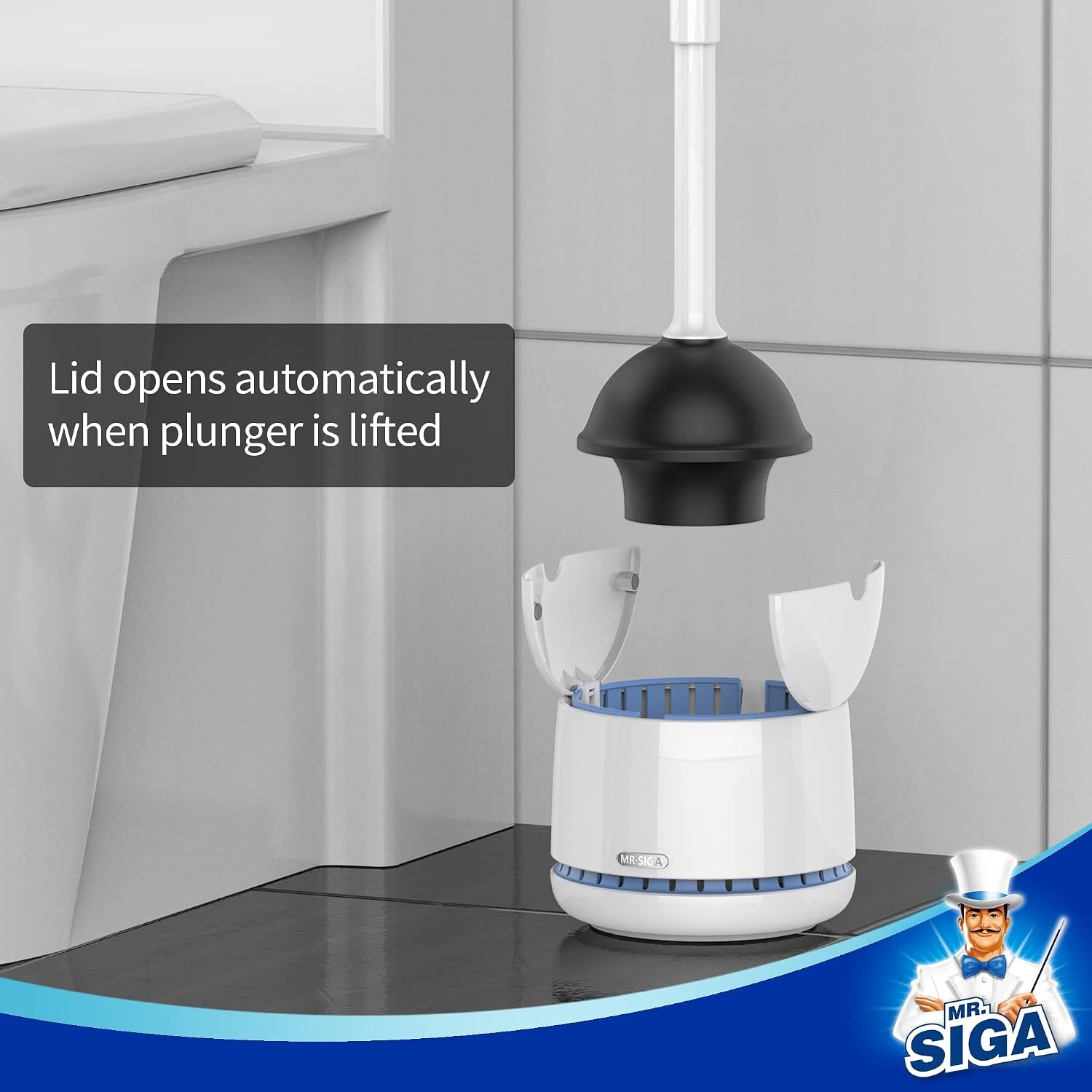
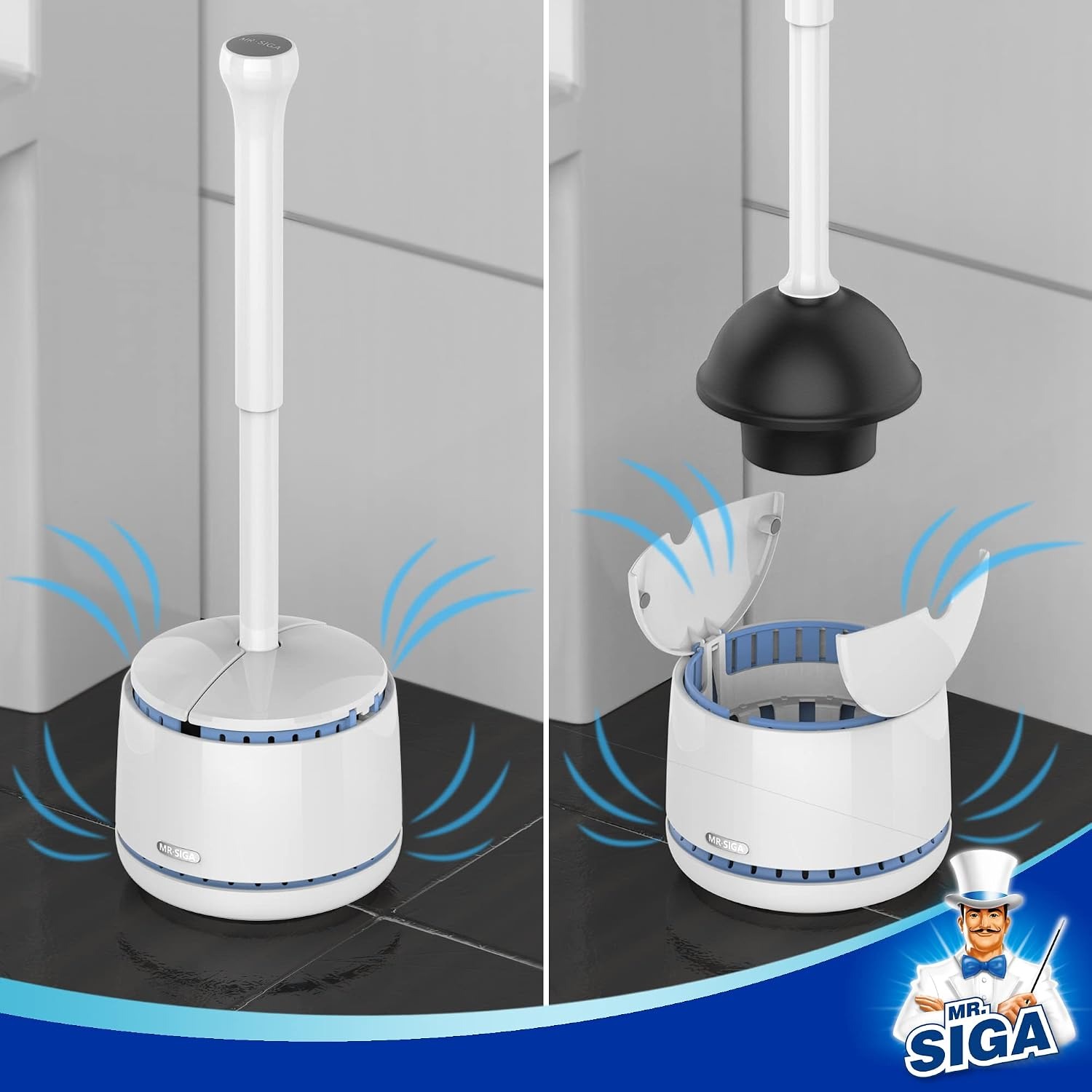
The lid on this set is linked to the plunger. When you lift the handle, the lid swings open with it. There is nothing to flick open first, which matters more than it sounds. The moment you are reaching for a plunger is rarely a calm one, and fumbling with a cover while holding a wet rubber cup is exactly the kind of small frustration that makes people give up on covered holders entirely.
Putting it back is just as simple. Lower the plunger into the caddy and press lightly on the handle, and the lid drops shut. One hand, one motion, done.
The second piece of the design is ventilation. Covering a wet plunger sounds like a recipe for a damp, smelly box, and with a sealed container that is exactly what happens. This holder has ventilation openings that let air keep moving around the cup even with the lid closed. The rubber dries instead of sitting in a puddle of its own making.
You can help that along. Rinse the cup, give it a firm shake over the bowl, then put it away. Thirty seconds of effort makes the difference between a holder that stays fresh and one you end up emptying every week.
What makes the plunger itself work
A covered caddy is only worth having if the plunger inside it actually does the job. Three things matter here.
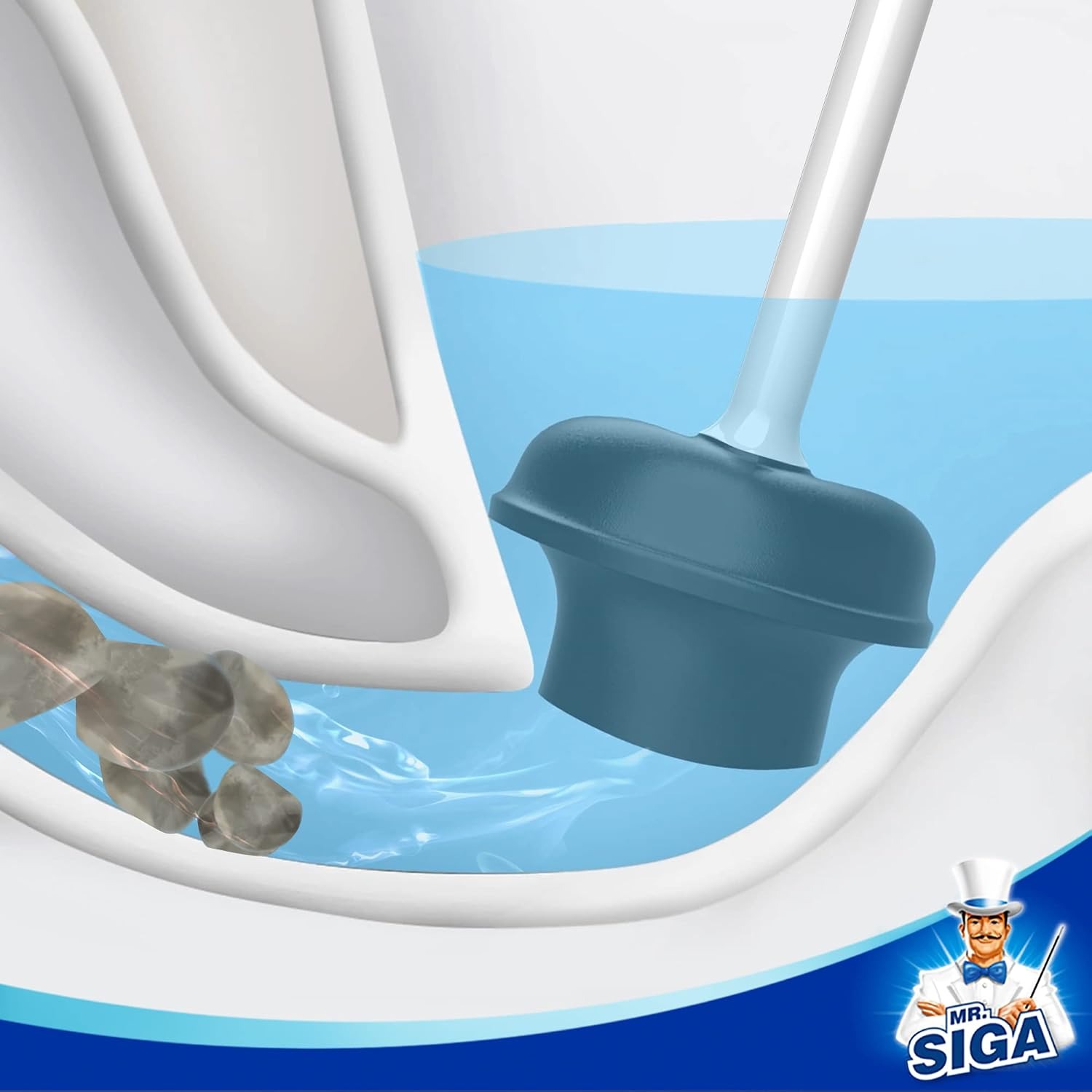
The first is the rubber. This cup uses commercial-grade rubber, which flexes enough to form a proper seal against the porcelain while still holding its shape when you push. Soft, thin rubber folds over on the first serious push and loses the seal, which is why cheap plungers feel like they are doing nothing. A firmer cup keeps its shape and transfers your effort into the water.
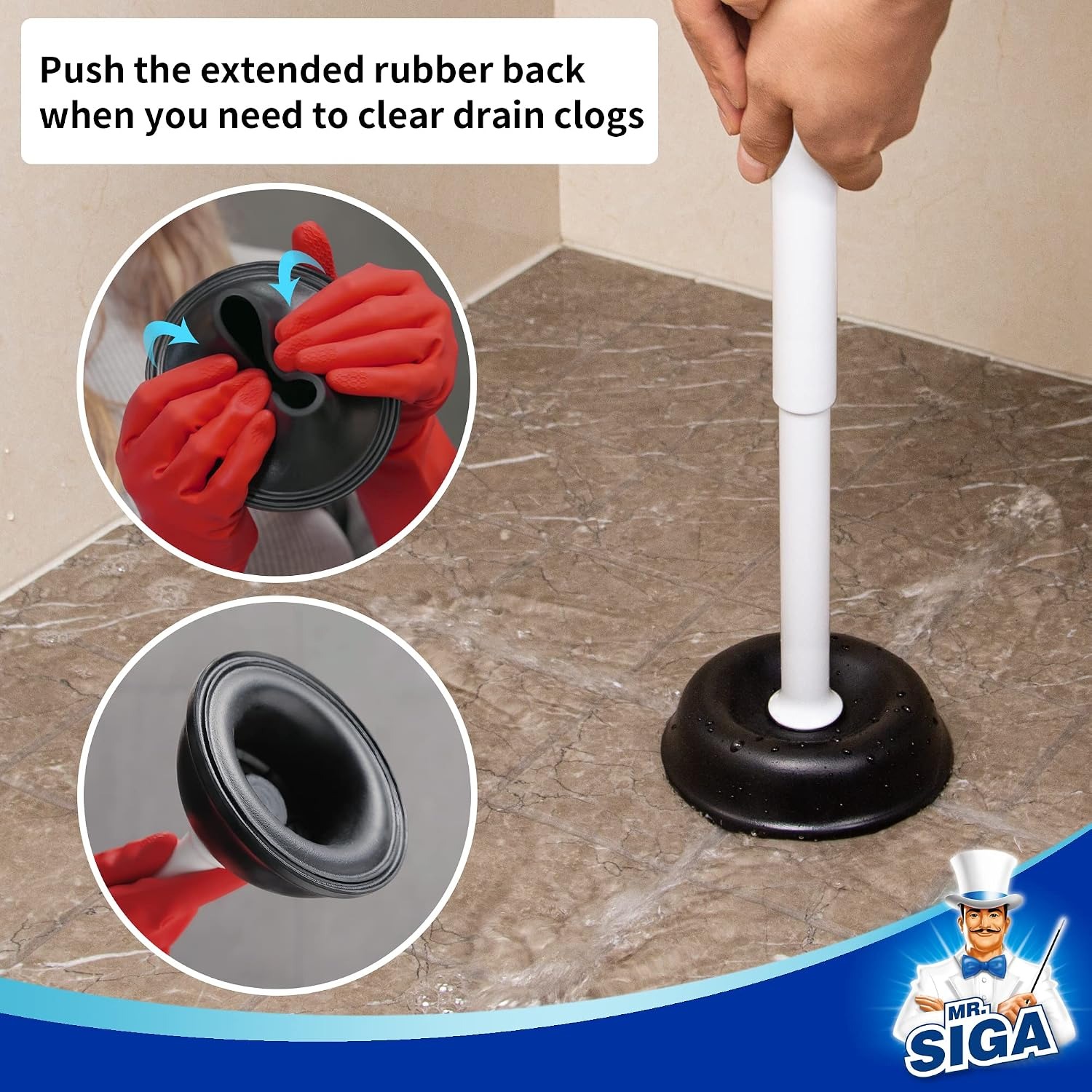
The second is the extended rubber flange. A toilet has a narrow outlet at the bottom of the bowl, and a flat cup cannot seal against it. The extended rubber tucks down into that outlet and grips. Fold the flange back up inside the cup and you have a flat-faced plunger that works on wider drain openings instead. One tool, two shapes, which is handy if you would rather not own several plungers.
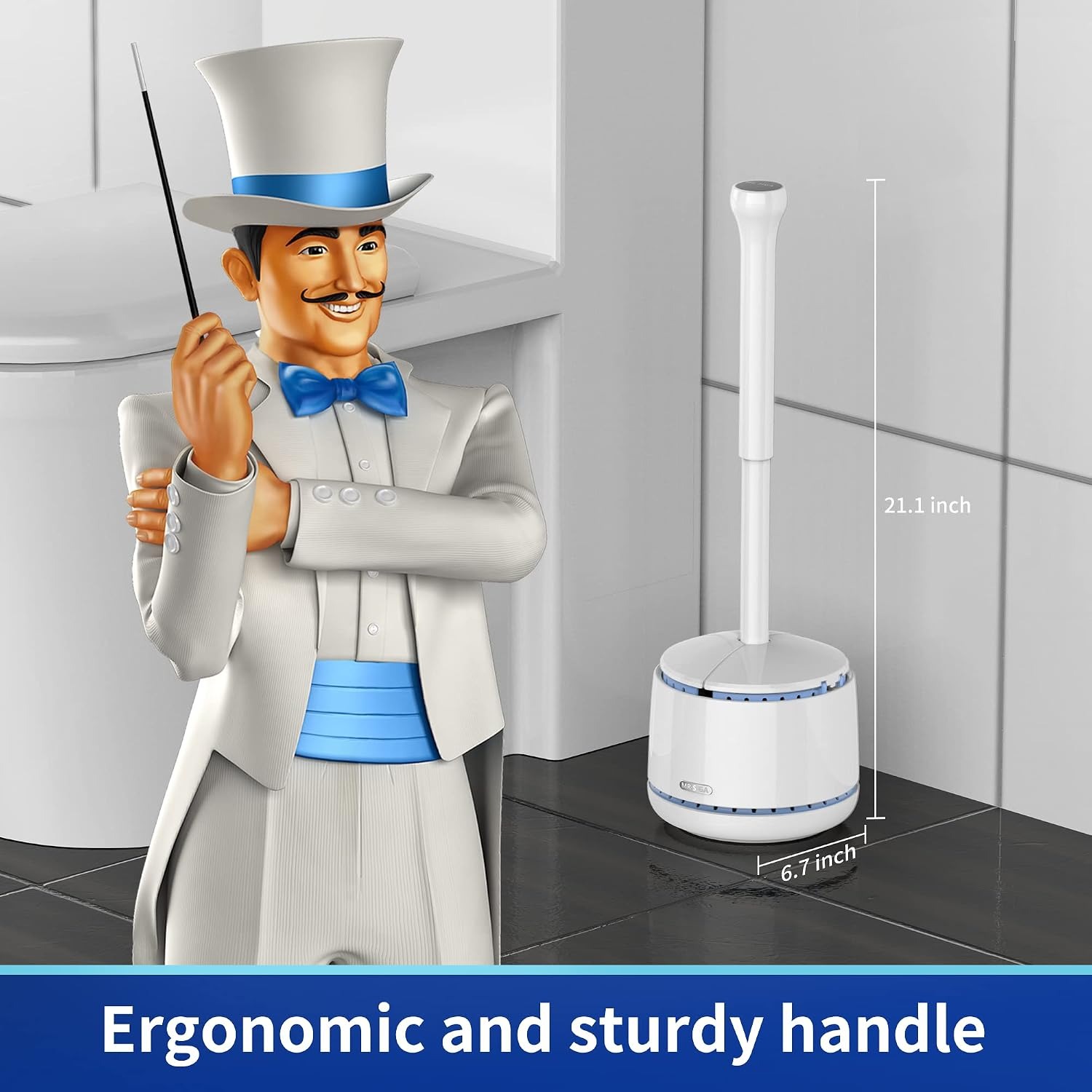
The third is the handle. This is a long handle toilet plunger with a thick shaft, so your hands stay well away from the bowl and the shaft does not flex when you push hard. The top is wide and flat rather than a thin knob, which gives your palm a broad surface to press against. That small design choice is the difference between leaning on a plunger comfortably and ending up with a sore hand.
Who this suits
Homes with one bathroom get the most obvious benefit, because that bathroom is also the one guests use. A covered holder lets you keep the plunger exactly where it needs to be without apologising for it.
It also works well in rentals, offices and shared accommodation. Anywhere people other than you use the bathroom, having a tool that stores neatly and dries itself is worth the small extra cost. The same goes for guest bathrooms, where appearance is doing most of the work.
Small bathrooms are the other strong case. A compact caddy occupies one tidy footprint on the floor and keeps the plunger upright, which is better than a tool propped against a wall taking up a diagonal slice of a room that has none to spare.
How to choose between plunger types
If you are comparing options, it helps to know what the alternatives actually do.
A flat cup plunger is the classic design with no flange. It is fine for sinks and tubs where the drain opening sits in a flat surface, but it cannot seal a toilet outlet properly. If someone in your house has been using one on the toilet and wondering why nothing happens, that is why.
A flange plunger, which is what this is, has the extended rubber for toilets and the option to fold it back for flat drains. For general household use it is the more versatile pick.
An accordion plunger uses stiff ridged plastic and can shift a lot of water, but it is harder to seat and can be rough on porcelain. Most people find a rubber flange plunger easier to use.
Beyond the cup shape, think about storage. A plunger sold bare means you still need somewhere to put it. A plunger with a matching holder solves both problems at once and usually costs less than buying the two separately. If you are weighing up the best plunger caddy options, the two features worth insisting on are a lid that opens without extra handling and real ventilation rather than a sealed box.
Using it well
Technique matters more than brute force. Start by checking the water level. The cup needs to be covered by water, because a plunger moves water, not air. If the bowl is low, pour some in.
Seat the cup over the outlet and press down gently first. That pushes the trapped air out and sets the seal. Then pump firmly up and down, keeping the cup in contact with the bowl the whole time. Breaking the seal halfway through wastes the effort.
After five or six pumps, pull away sharply. That final pull is often what releases the blockage. Repeat the cycle a few times if needed.
If several rounds of honest plunging get you nowhere, stop. A plunger shifts soft blockages sitting near the outlet. It will not move a solid object or clear a problem further down the line, and pushing harder can make things worse. That is the point to call a licensed plumber. Skip chemical drain cleaners, which sit in the trap doing nothing useful when water cannot flow.
Care and how long it lasts
Rinse the cup after every use and shake it dry before it goes back in the holder. Wipe the handle and the outside of the caddy with a damp cloth and a mild household cleaner. Every so often, lift the plunger out, tip any water from the base and rinse the holder properly.
Avoid abrasive pads and strong solvents on either piece. They scuff plastic and dull the surface, and they do not clean any better than a cloth and mild cleaner.
Rubber ages. Over years it stiffens and can crack, and a stiff cup stops sealing against the bowl. When you notice you are working harder for less result, that is the signal to replace it rather than a sign that your technique has slipped.
The short version
A plunger needs to be close to the toilet to be useful, and nobody wants to look at one. This set answers both points. The holder covers the rubber cup so the bathroom stays presentable, the lid lifts by itself when you pick the plunger up, and ventilation openings let the cup dry instead of stewing.
The plunger inside is built to work, with commercial-grade rubber, a fold-back flange that handles both toilets and flat drains, and a long handle with a wide flat top for a firm push. Listed dimensions are 4.72 by 3.94 by 0.79 inches at 1.8 pounds. Rinse it, shake it, put it away, and it stays ready for the next time you need it.