EzyDrains Company
Company
Shop By Category
T&Cs
Shop Online
  • Size, material and fit listed
  • Free tracked Canada-wide delivery over $150
  • 14-day returns

Tube Cleaning Brush 60 Inch 2 Pack | Long flexible pipe cleaner | drain tube brush

Tube Cleaning Brush 60 Inch 2 Pack

$11.99 $13.99 Save $2
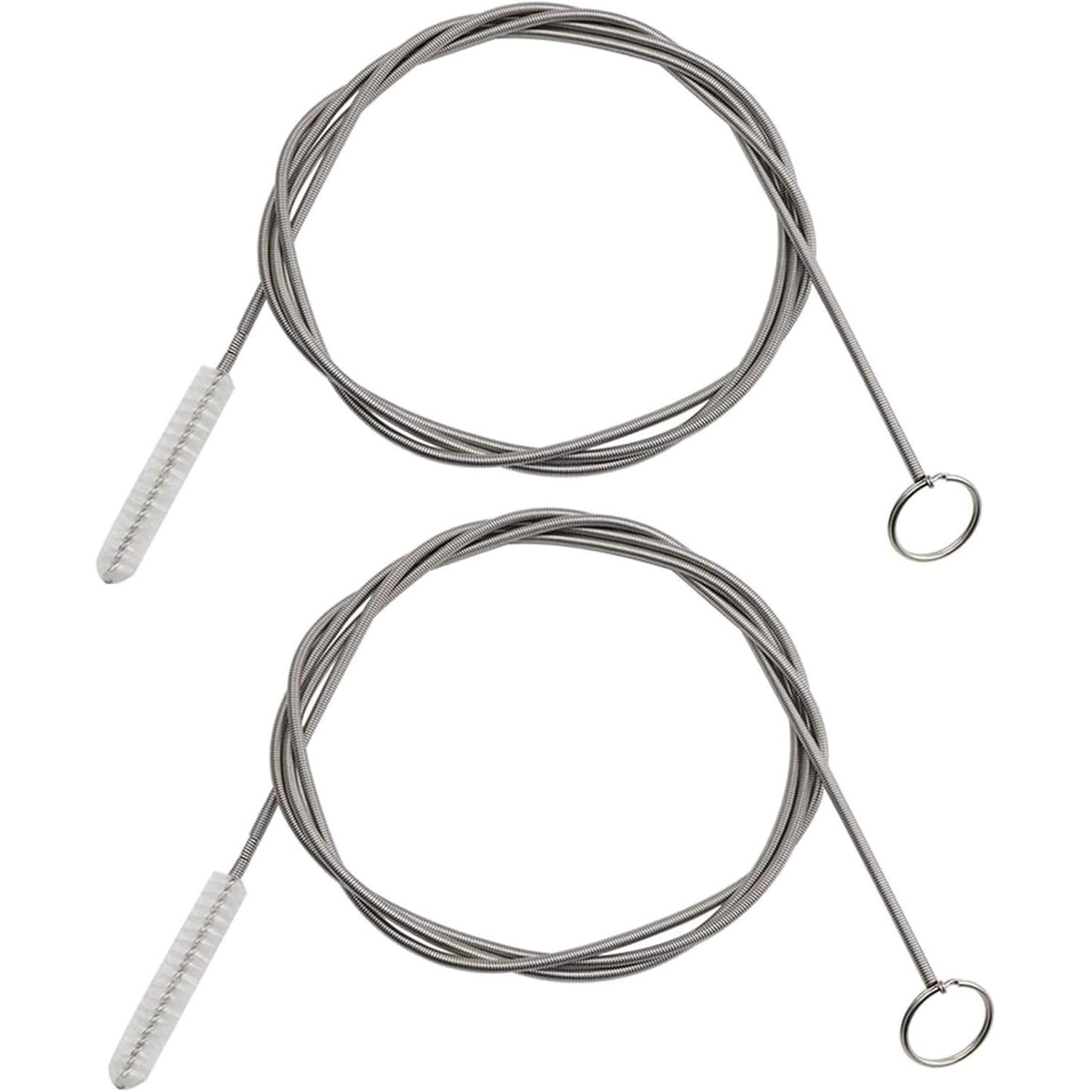
  • 60 Inch Reach
  • Bends Around Curves
  • Finger Loop End
  • Two In The Pack

Price: $11.99 $13.99

  • Free tracked Canada-wide delivery on orders $150+, otherwise a flat $20
  • Pay by card or PayPal, handled by the payment provider
  • 14 days to change your mind, plus your statutory rights
Product specifications
Number Of Brushes2
Bristle MaterialNylon
Stem MaterialStainless steel
Handle And Trim MaterialsPlastic, vinyl
Included ComponentsHandle
Brush ShapeRound
FirmnessSoft
FeaturesFlexible, reusable
Packaged Dimensions7.4 in L x 2.16 in W x 0.39 in H (18.8 x 5.5 x 1 cm)
Item Weight0.86 g
Recommended SurfaceSink
Unit Count2 count
Weight0.86 g
Shipping & returns

Tracked delivery anywhere in Canada. It is free on orders of $150 or more, and a flat $20 below that.

If it is not right for you, send it back within 14 days of delivery in resaleable condition and we refund the price you paid, including standard delivery. That is a voluntary policy we offer on top of your legal rights. You cover the cost of returning it unless the item is faulty.

If it arrives faulty, damaged or not as described, we put it right at no cost to you under the consumer protection law of your province or territory (for example the Ontario Consumer Protection Act, 2002), return postage included.

Shipping details · Refunds and returns

60 Inch ReachGets well past the trap and into runs your fingers cannot touch.
Bends Around CurvesThe flexible wire stem follows tubing that angles under 90 degrees.
Finger Loop EndPull the brush back out easily instead of fishing for it.
Two In The PackKeep one under the kitchen sink and one in the bathroom.

Reach the gunk your hand never will with a tube cleaning brush 60 inch 2 pack that bends around corners and comes back out clean.

A flexible stainless steel stem with soft nylon bristles at one end and a finger loop at the other, so you can scrub narrow drain lines, scrub them again next month, and never lose the brush inside the hose.

A 60 inch flexible tube cleaning brush that slides into narrow drain lines and scrubs out the film and sludge that slow the water down.

The stem is stainless steel wire, so it bends through curved tubing and springs back to a straight line afterward.

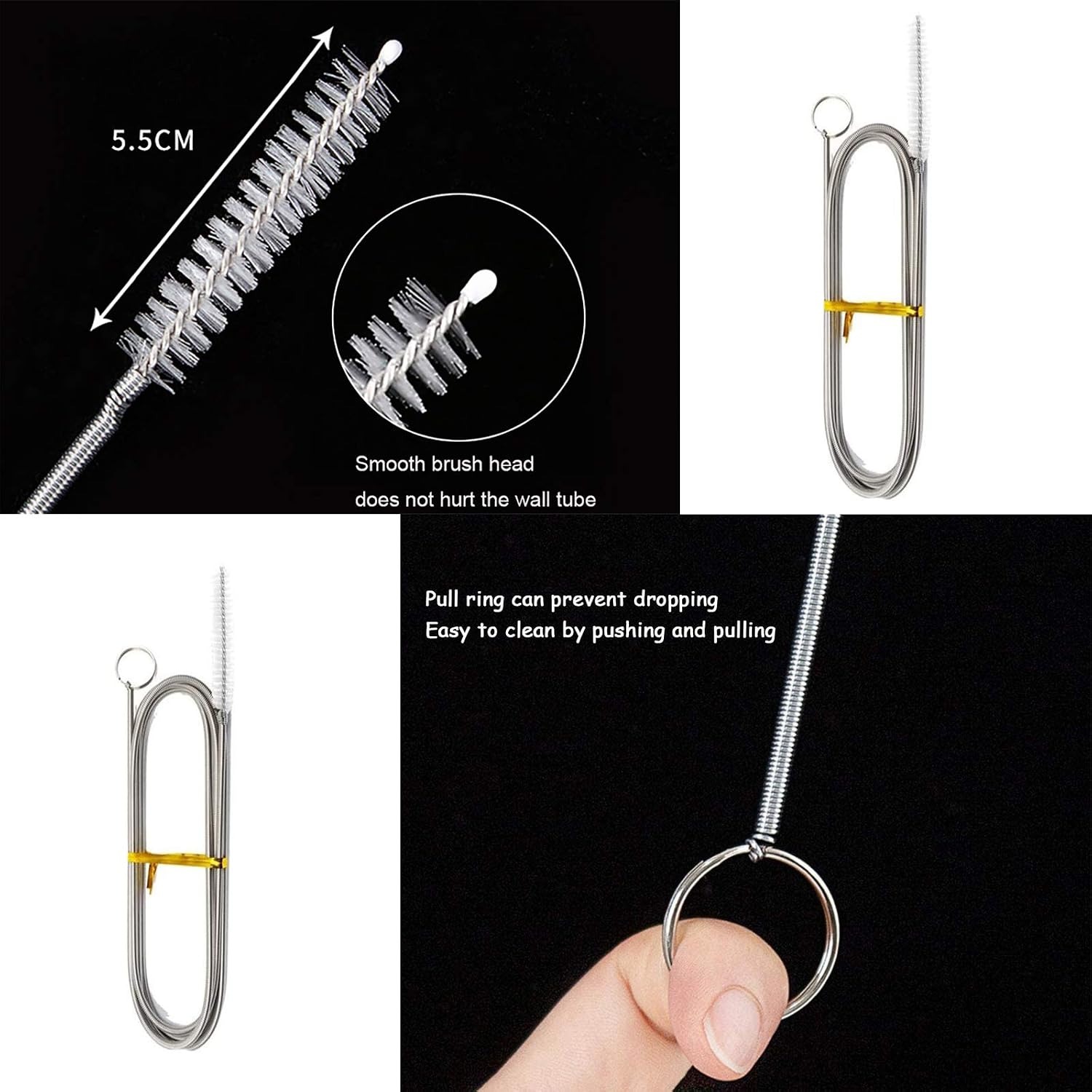
Nylon bristles are soft enough to scrub the inside wall of a tube without scoring it.

A loop on the opposite end gives you something to hold, so the brush never disappears into the pipe.

Two brushes come in the pack, which means a spare on hand and no washing one brush between two different drains.

Tube Cleaning Brush 60 Inch 2 Pack

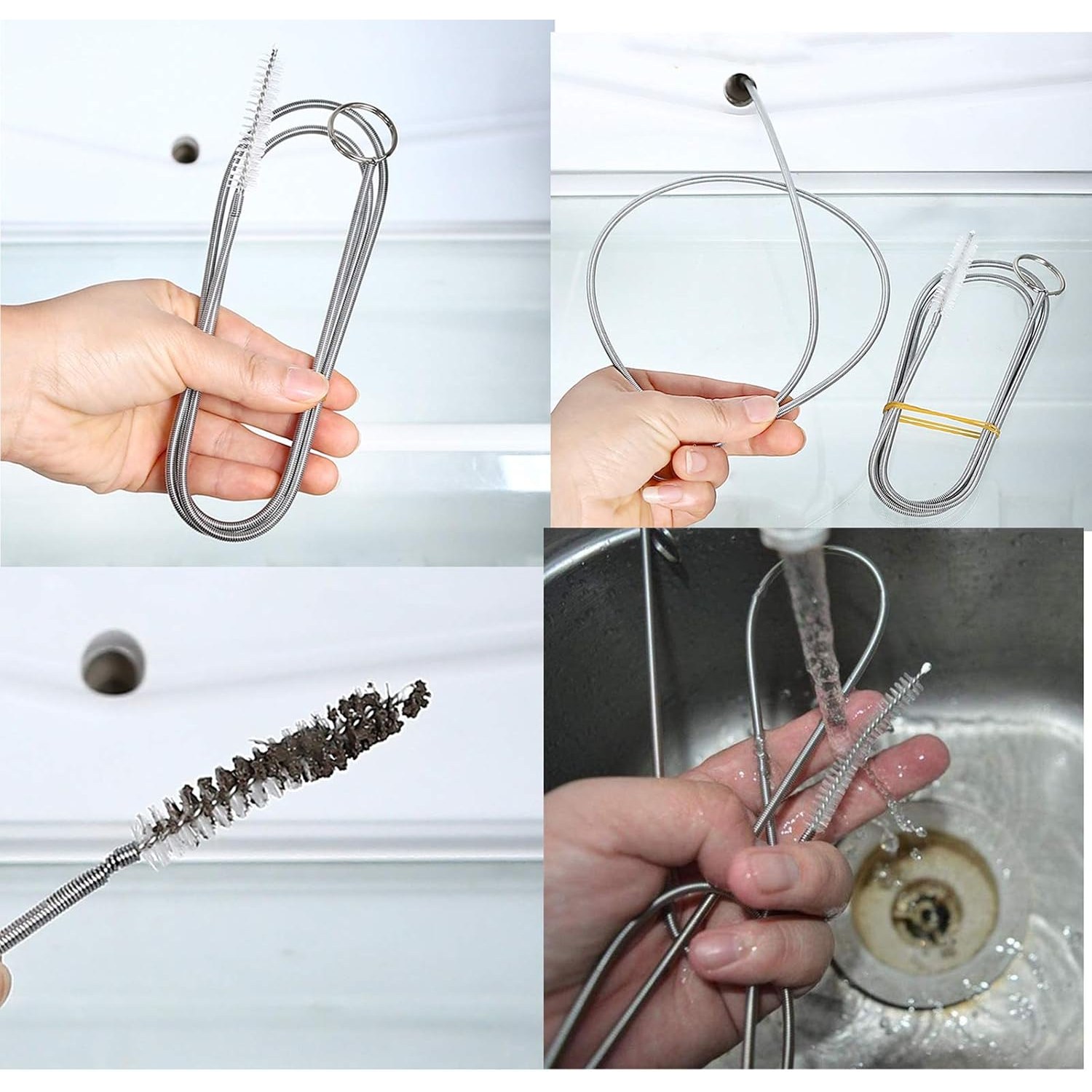
Most slow drains are not dramatic. There is no standing water and no emergency, just a bathroom sink that empties a little later each week and a faint odour when the room is warm. What is happening inside the line is simple. Soap, grease, hair and food particles cling to the wall of the tube and build up in layers, and the opening keeps getting narrower. A liquid poured down the drain washes over that film. A brush pushed through the drain takes it off.

Tube Cleaning Brush 60 Inch 2 Pack

This tube cleaning brush is built for that job. The stem is a long stainless steel wire, 60 inches end to end, thin enough to feed into a skinny line and springy enough to push through a bend. Nylon bristles wrap the working end in a round brush head. They are soft rather than stiff, which is the right choice for the thin-walled tubing behind a fridge or under a sink, since you want to lift the buildup off the wall rather than gouge into it.

Tube Cleaning Brush 60 Inch 2 Pack

The other end is a loop. It sounds like a small detail until the first time you feed four feet of brush into a hose and need to get it back. The loop sits over a finger and gives you a solid grip for both the push and the pull. It also stops the whole brush from sliding in past the opening, which is the usual way these tools get lost.

Two brushes come in the pack. That is genuinely useful rather than filler, because a brush that has been through a greasy kitchen line is not the brush you want in the bathroom sink the same afternoon. Keep one in each spot, rinse after use, and hang them by the loop to dry. They are reusable, so the same pair handles a regular monthly clean for a long time.

The brush suits narrow lines around the home such as a bathroom sink drain, a kitchen drain, a refrigerator drain line, and the slim tubing on a filter system. It is a maintenance tool and a mild-blockage tool. If a line is fully blocked, if water is backing up into another fixture, or if the work involves cutting or reconnecting pipe, that is a job for a licensed plumber.

Not sure yet? That is fine.

A drain part has to fit the drain you have, and you cannot always judge that from a photograph. If it is not right for you, send it back within 14 days of delivery in resaleable condition and we refund the price you paid, including standard delivery. That is a voluntary policy we offer on top of your legal rights.

If it turns up faulty, damaged or not as described, that is on us. The consumer protection law of your province or territory covers you, and we pay the return postage. Read the full detail on our refunds and returns page, or ask us anything before you order.

Frequently Asked Questions

What exactly comes in the pack?

Two flexible tube cleaning brushes, each 60 inches in total length. Each one has a nylon bristle head at one end and a loop at the other. There are no separate attachments to assemble.

How long is the brush?

Each brush measures 60 inches overall, which is five feet (about 152 cm). That covers the length of most household sink and appliance drain lines with room to spare.

Why are the dimensions in the specs so much smaller than 60 inches?

The 7.4 by 2.16 by 0.39 inch figure is the packaged size, because the brush is coiled for shipping. The brush itself uncoils to its full 60 inch length.

What is the brush made of?

The stem is stainless steel wire and the bristle head is nylon. Plastic and vinyl are also listed among the materials used in the brush.

Are the bristles soft or stiff?

The product is listed as soft. Soft nylon is a deliberate choice for thin-walled tubing, since it lifts film off the inside wall without scraping it.

Will it go around a bend?

Yes. The maker states the wire body is flexible enough to work through curved tubing angled at less than 90 degrees. A sharp right angle may stop it, so feed it slowly and let the wire find its way.

How do I actually use it?

Feed the brush end into the drain opening first, keeping the loop over a finger. Push it in gently until you feel resistance, then scrub as you draw it back out. Rinse and repeat until the brush comes out clean.

Can the brush get stuck inside the pipe?

The loop end is there to prevent exactly that, since you always keep hold of it. Never let go of the loop and never push the brush fully into an opening.

What kind of drains is this best for?

It is aimed at narrow lines, so a bathroom sink drain, a kitchen drain and a refrigerator drain line are the usual spots. For wider drains a thicker brush will make better contact with the wall.

Is this the best bathroom sink drain brush for slow water?

It is a strong choice for the slow-draining bathroom sink, because that problem is almost always a soap and hair film on the inside of the tube. Physical scrubbing removes that film in a way rinsing does not.

Will it clear a fully blocked drain?

It is a maintenance and light-blockage tool, not a drain auger. If a drain is completely blocked or water is backing up elsewhere, stop and call a licensed plumber.

Do I need to take anything apart first?

Usually not. Lift out the stopper or drain plug if there is one, so the brush has a clear path. Do not cut, loosen or reconnect any fixed pipework yourself.

Should I use a chemical drain cleaner with it?

We do not recommend chemical drain cleaners. Warm water and a little dish soap on the bristles do the job for routine buildup, and you avoid handling anything harsh in a confined space.

How often should I run the brush through?

Once a month is a sensible rhythm for a busy kitchen or bathroom sink. Every couple of months is usually enough for a lightly used drain. Going more often does no harm.

How do I clean the brush afterward?

Rinse it under warm running water and work the bristles with your fingers to free trapped debris. Add a drop of dish soap if the line was greasy, then rinse again.

How should I store it?

Hang it by the loop so the stem dries straight and water drains off the bristles. Coil it loosely rather than folding it sharply, which keeps the wire from kinking.

Can I reuse it?

Yes, the brush is listed as reusable. With a rinse after each use and a proper dry, one pair handles routine cleaning for a long stretch.

When should I replace the brush?

Replace it when the bristles splay out, thin noticeably, or stop bringing debris back with them. A brush that slides through without resistance is no longer scrubbing.

Why two brushes instead of one?

So you are not moving a greasy kitchen brush straight into a bathroom sink. Keeping one at each location is cleaner and faster, and you still have a spare if one wears out.

Is this the best flexible pipe cleaning brush for behind a fridge?

It suits that job well, since a refrigerator drain line is narrow, curved and hard to reach. Move the appliance carefully and work the brush in by hand rather than forcing it.

Can it damage my pipes?

The soft nylon bristles are designed to scrub without destroying tubing, and the stem is thin wire rather than a rigid rod. Push gently, never hammer the brush into a bend, and stop if you meet solid resistance.

Does it work on metal and plastic lines?

The brush is meant for the inside of narrow tubing in general, and soft nylon is gentle on both. Go slowly either way and let the bristles do the scrubbing.

Is it a good kitchen drain cleaning brush for grease?

Yes for the thin greasy film that coats the line and slows the water. Run hot water first to soften the grease, then brush, then flush with hot water again.

Will it fit a very narrow tube?

The brush head is slim and round, which is the point of the design. If a tube is narrower than the bristle head, the brush will not pass, so check the opening before pushing.

Can I bend it back if it kinks?

A gentle kink in stainless steel wire can usually be straightened by hand. A sharp fold leaves a weak point, so avoid folding the stem flat when you store it.

Does the brush come with a handle?

A handle is listed among the included components, and the loop at the far end acts as the grip you pull on. There is nothing to attach or screw together.

What is the item weight?

The maker lists an item weight of 0.86 g. It is a very light tool, which is part of why it coils into such a small package.

How long does delivery take?

Most orders arrive within 4 to 7 business days of the order date, so allow for that if you need it by a set date. Delivery is to Canadian addresses only, free on orders of $150 or more and a flat $20 under that, and you get tracking by email once the order is on its way.

Can I return it?

You have 14 days from delivery to return it for a change of mind, provided it is unused, complete and in its original packaging. Return shipping is yours to pay. If it arrives faulty or damaged, tell us and we will put it right at no cost to you.

What if it is not the right brush for my drain?

If the brush head is too slim for your line or the length is wrong for the job, get in touch within the 14 day window while it is still unused. We can arrange a return and point you toward a size that fits your drain better.

How To Choose And Use A Long Flexible Drain Tube Brush

6 min read EzyDrains Company

The slow drain nobody deals with until it gets bad

A drain rarely blocks all at once. It fades. The bathroom sink that used to clear in a few seconds starts taking fifteen, then half a minute, and one morning there is a shallow pool of water around the stopper while you brush your teeth. Most people live with it for months.

What is going on inside the pipe is not mysterious. Every time water runs, it leaves something behind on the wall of the tube. In a bathroom sink that is soap scum, toothpaste and hair. In a kitchen drain it is grease that cools and sets. Behind a fridge it is a slow mineral and mould film in a line that never gets scrubbed at all. Each layer narrows the opening a fraction. The water does not stop, it just slows, and the slower it moves the faster the next layer builds.

Pouring something down the drain does not fix this. Liquid takes the path of least resistance, which is straight down the middle of the opening the buildup has left. It flows over the problem. The only thing that reliably takes a layer of film off the inside of a tube is something physically rubbing against it. That is what a long flexible pipe cleaner does.

How this brush works

The design is simple on purpose. There is a long stainless steel wire stem, 60 inches from end to end. At one end sits a round head wrapped in nylon bristles. At the other end there is a loop.

The wire does the reaching. It is thin enough to feed into a skinny drain line and springy enough to push through a bend, which the maker describes as working through tubing angled at less than 90 degrees. You are not forcing a rigid rod down a pipe and hoping. You feed it, it finds the shape of the line, and it keeps going.

The bristles do the work. Nylon is listed as soft here, and that is the right firmness for narrow tubing. The goal is to lift a film off the wall, not to carve into it. Soft bristles also flex into the full circumference of a round tube rather than bouncing along one side of it, so each pass contacts more of the surface.

The loop does something less obvious but just as important. When you feed four feet of flexible wire into a hose, the obvious risk is losing it. The loop sits over a finger. It gives you a grip for the push, a grip for the pull, and a physical stop that keeps the whole brush from sliding past the opening. Anyone who has ever had to retrieve a tool from inside a drain understands why this matters.

Who this suits

This is a tool for narrow lines. Think bathroom sink drains, kitchen drains, refrigerator drain lines and the slim tubing on a filter system. Anywhere the opening is too small for your fingers and too curved for a straight rod.

It also suits a particular kind of person, the one who would rather do a ten minute clean every month than deal with a real blockage once a year. Running a brush through a line before it is a problem is far easier than clearing it after. The buildup is still soft at that stage and comes away with light pressure.

It is not the right tool for everything. A wide floor drain needs something with a bigger head so the bristles actually touch the pipe wall. A completely blocked line, or one where water backs up into a different fixture when you run the faucet, is a plumbing problem rather than a brushing problem. And anything that involves cutting, moving or reconnecting pipe belongs with a licensed plumber.

Choosing the right length and head

Two things decide whether a brush suits your drain, and length is the first. Sixty inches is generous. It covers the run past a bathroom sink trap with plenty left over, and it reaches down the sort of appliance line that disappears behind a cabinet. You can always use less of a long brush. You cannot use more of a short one.

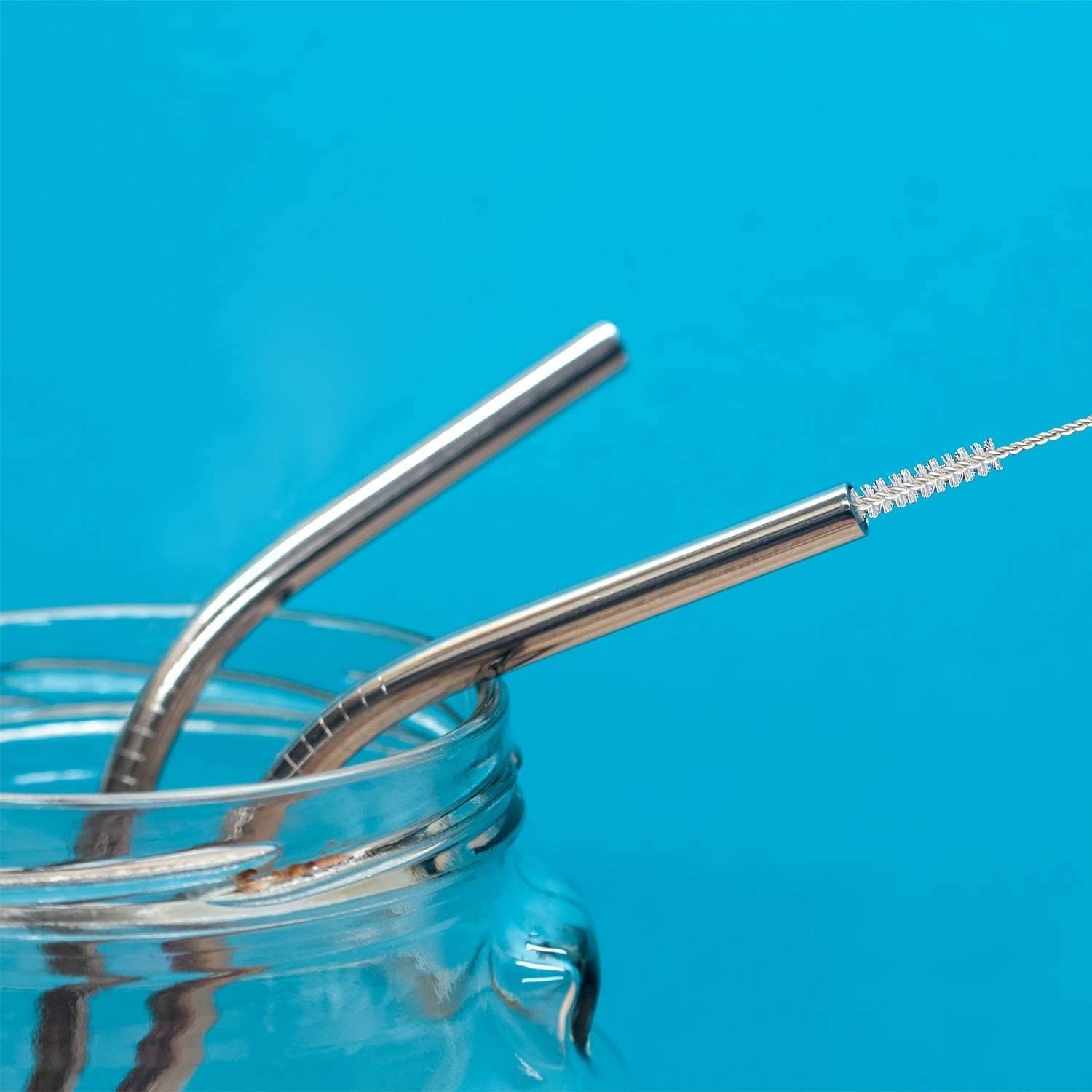
The second is head width. A bristle head has to be wide enough to press against the inside wall and narrow enough to pass through the opening. Too slim and it slides down the middle without touching anything useful. Too wide and it jams at the entrance. This head is slim and round, built for skinny lines, which is exactly why it suits the sink and appliance tubing it is sold for and why it is not the best long drain brush for a wide waste pipe.

Firmness matters too. Soft nylon is gentler on thin-walled tubing. Stiff wire bristles clean faster but can mark a soft plastic line, and once the inside surface is scratched it collects buildup faster than before. For routine maintenance in narrow drains, soft is the sensible trade.

Working the brush through a line

Pull out the stopper or drain plug first so the brush has a clean path in. Run hot water for thirty seconds or so if the line is greasy, since warm grease comes off far more easily than cold.

Put the loop over a finger before anything goes in the drain. Feed the bristle end in first and push slowly. When you reach a bend you will feel the resistance change. Do not shove. Ease the wire forward with small pushes and let the spring in the stem do the turning for you. If it genuinely will not pass, back out and try a slightly different angle rather than forcing it.

Once you are in as far as you want to go, scrub on the way back out. Short back and forth strokes while you withdraw give the bristles time on each section of wall. Pull the brush free, look at what came out with it, rinse the head, and go again. Two or three passes is normal for a line that has not been cleaned in a while. When the brush comes back clean, you are finished. Flush the drain with hot water for a minute to carry off anything still loose.

Care, storage and when to replace

Rinse the brush under warm running water straight after use and work the bristles between your fingers to free anything caught in them. A drop of dish soap helps after a greasy kitchen drain. Rinse it again, shake off the water, and hang it by the loop so the stem dries straight.

Storage is where these brushes usually get ruined. Coil the stem loosely. A sharp fold leaves a weak point in the wire that will eventually kink, and a kinked stem no longer slides smoothly through a bend. Hanging is better than drawer storage for the same reason.

Having two in the pack solves the other hygiene problem, which is cross-contamination. The brush that just came out of a kitchen drain should not go into the bathroom sink that afternoon. Keep one in each spot and label them if you need to.

Replace a brush when the bristles splay outward, thin out, or stop bringing debris back with them. A brush that slides through a line with no resistance at all is no longer doing anything. These are reusable and inexpensive, so there is no reason to keep using a worn one.

The short version

A drain slows down because a film builds on the inside wall of the tube, and the only reliable fix is to scrub it off. A 60 inch flexible tube cleaning brush with soft nylon bristles and a stainless steel stem reaches the parts of a narrow line you cannot otherwise get to, bends around curves under 90 degrees, and comes back out by the loop every time.

Use it monthly on the drains that get the most work, rinse and hang it after, and store it without a sharp fold. Two in the pack means one for the kitchen and one for the bathroom. For a full blockage, water backing up into another fixture, or any work on fixed pipework, call a licensed plumber instead.

Browse the shop

Not sure it will fit your drain?

Tell us which drain is giving you trouble and roughly how wide the opening is, and we will say whether this brush is the right shape for it.

Ask us a question

Page summary

A two pack of flexible tube cleaning brushes with a total length of 60 inches each. The stem is stainless steel wire and the brush head uses soft nylon bristles, with plastic and vinyl listed among the trim materials. One end carries the round brush head and the other end has a loop for gripping and pulling the brush back out of a line. The wire body bends through curved tubing angled at less than 90 degrees and is reusable. Suggested for sinks and similar narrow drain lines. Packaged dimensions are 7.4 by 2.16 by 0.39 inches and item weight is listed as 0.86 g. Colour and country of origin are not specified by the maker.