

The complete guide
Downspout Guards Explained, How To Pick And Fit The Right One
The problem starts at one small hole
Walk around your house during heavy rain and watch the gutters. If water is sheeting over the front edge instead of running down the downspout, the cause is almost always the same. The opening where the gutter drops into the downspout has packed up with leaves.
It happens quickly. A handful of wet leaves lands near the opening, water pushes them against it, and within a few minutes they form a mat. More debris arrives and settles on top. Now the gutter is a trough holding water, and that water goes wherever gravity takes it, usually over the side and down the wall.
The frustrating part is that the gutter itself might be mostly clean. One blocked opening is enough to cause the whole run to overflow. That is the exact problem a downspout guard is built to solve.
What a downspout guard actually does
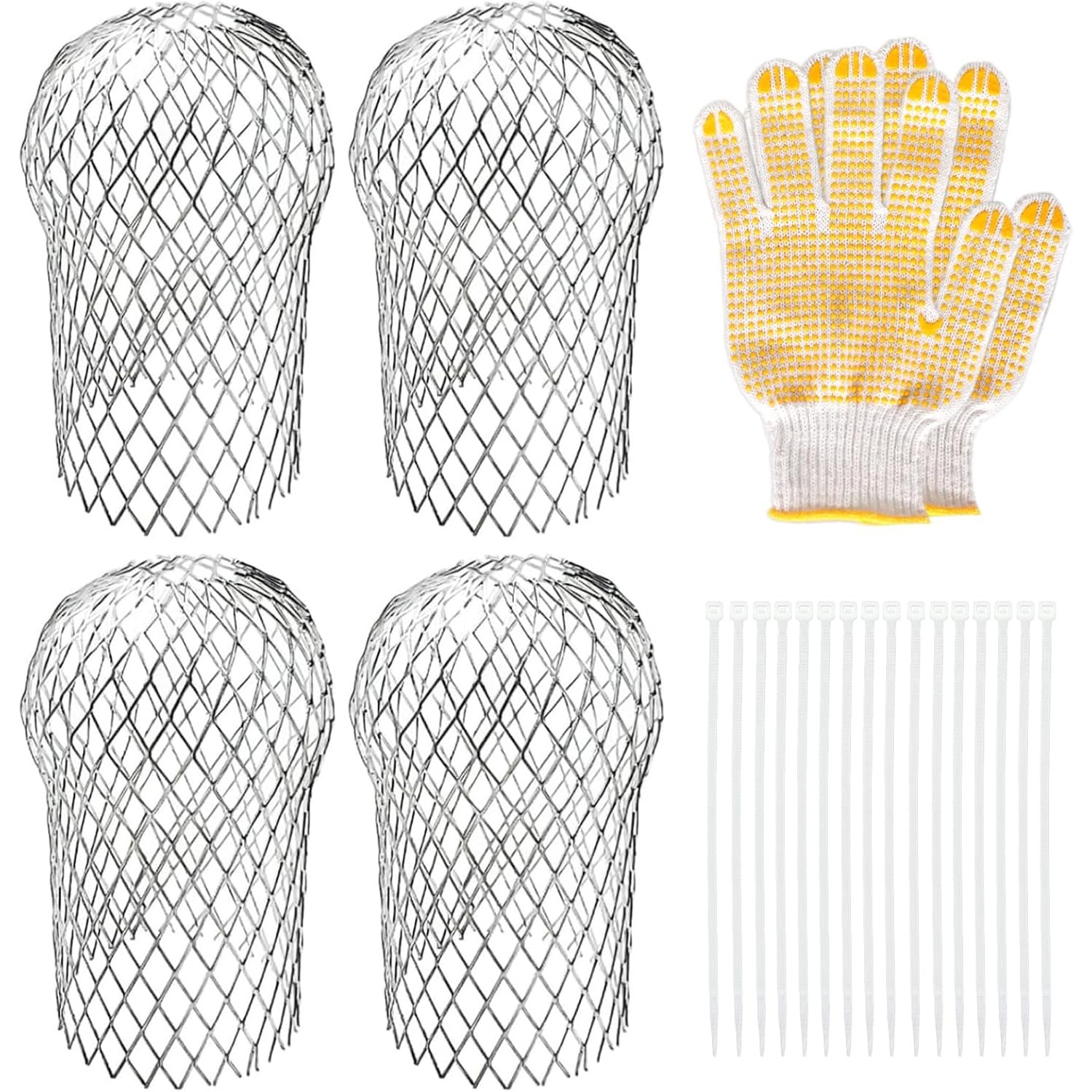
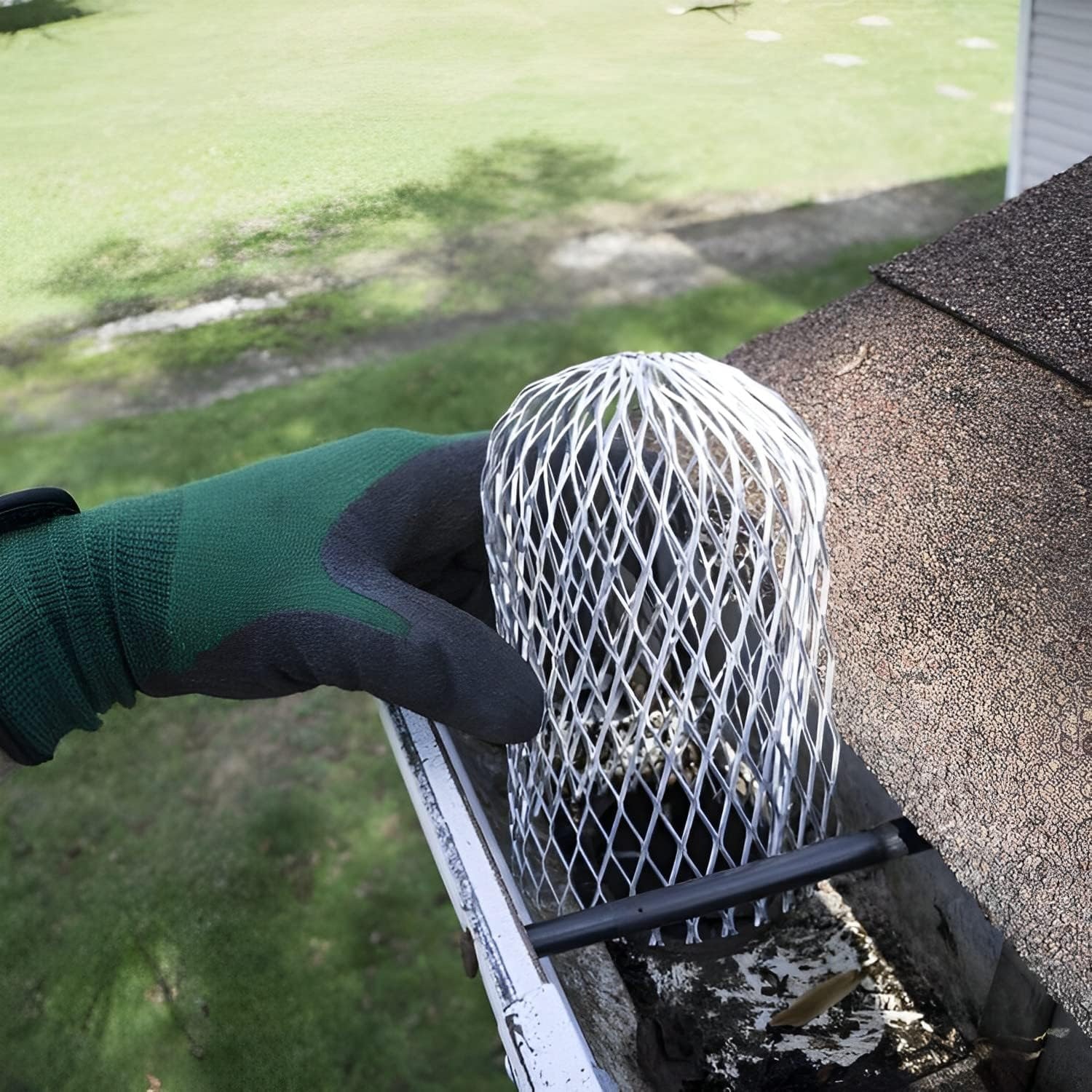
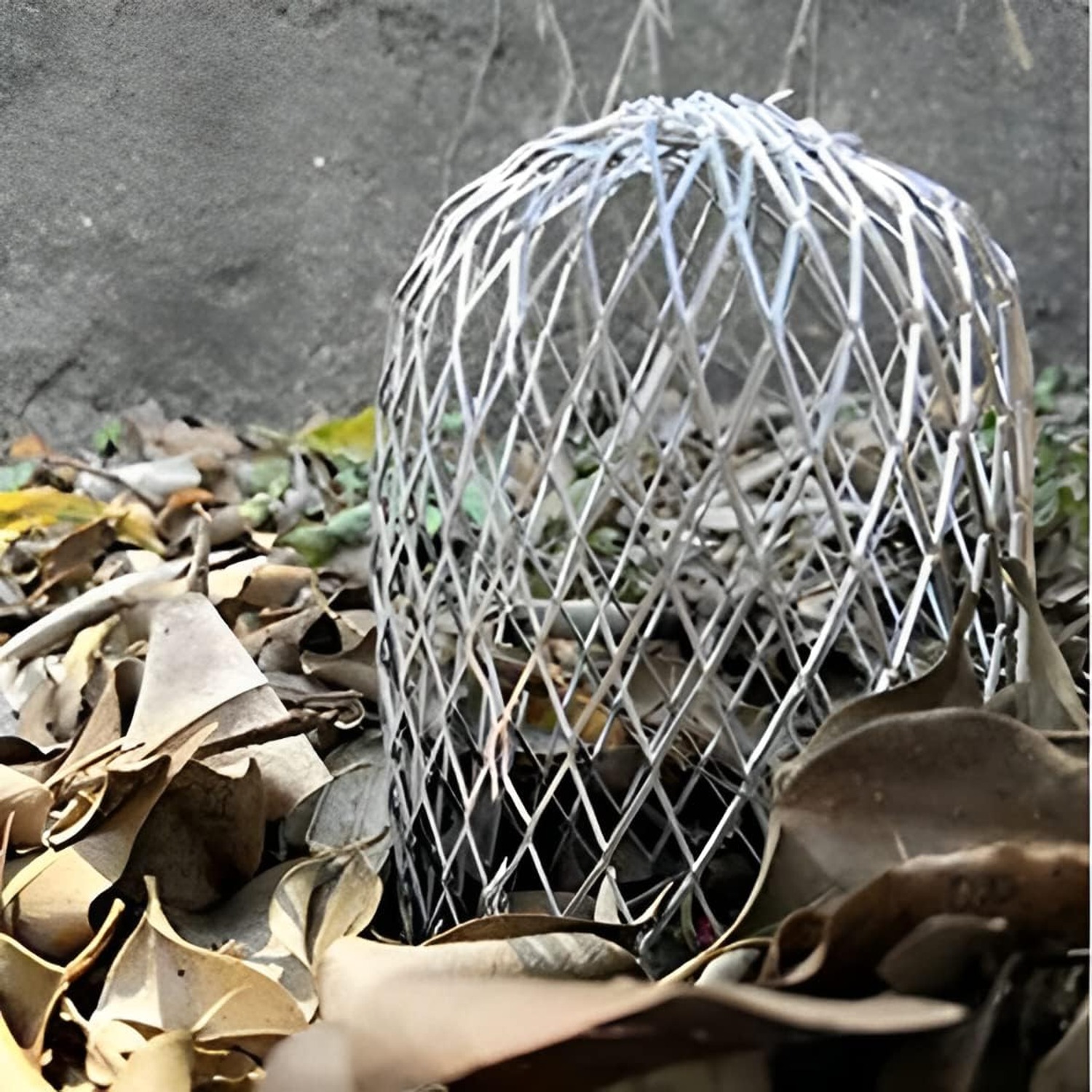
A downspout guard is a piece of mesh that sits in the gutter opening, over the mouth of the downspout. Water drains straight through the holes. Leaves, twigs, bits of shingle and clumps of moss stay on top.
The important word is "on top". Debris does not vanish. It just stops where you can see it and reach it, instead of travelling into the pipe where you cannot. Clearing a handful of leaves from a visible strainer takes seconds. Clearing a packed downspout can mean dismantling the pipe, poking a drain rod up from the bottom, or calling someone in.
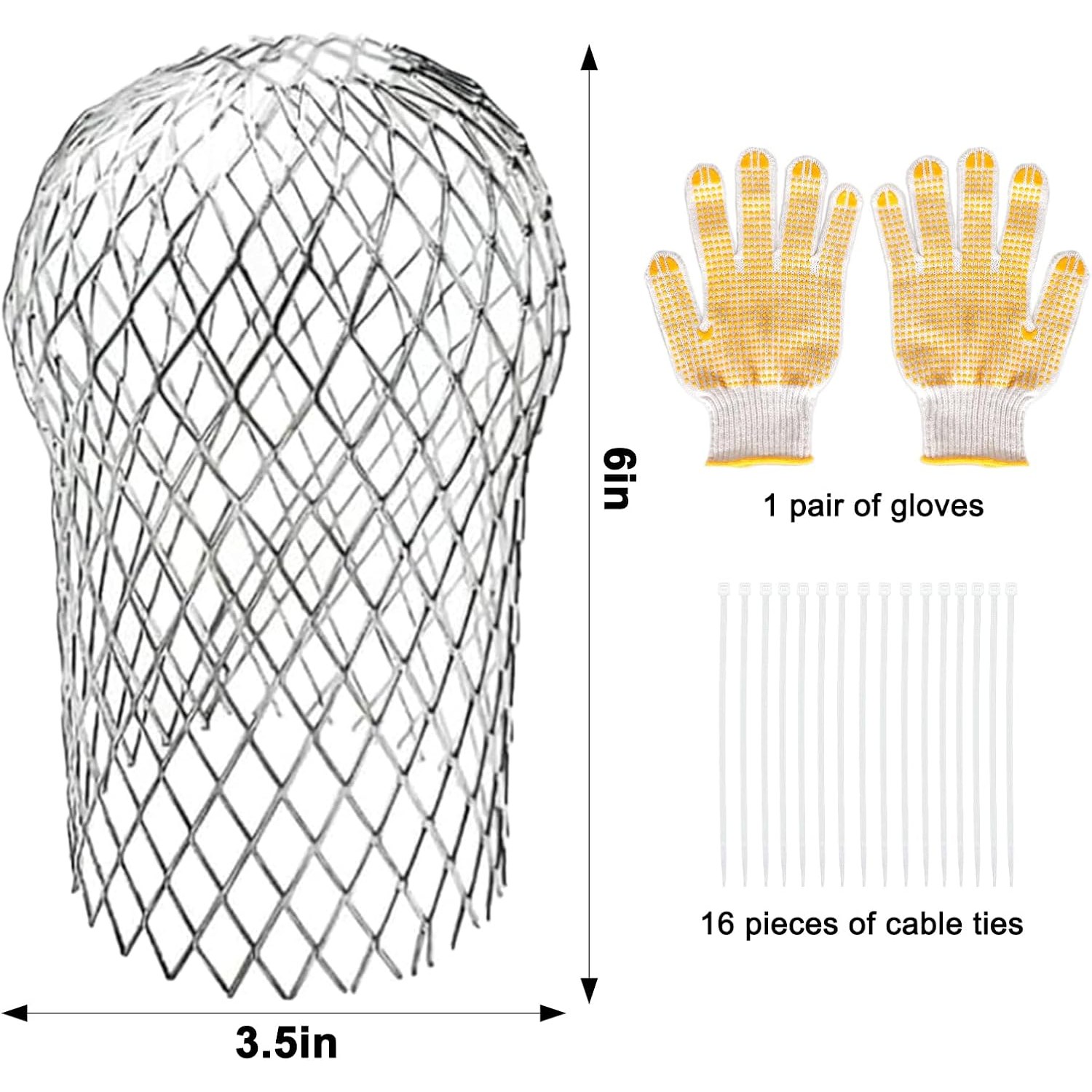
These particular guards are made from aluminum mesh, each one about 3.5 inches wide and 6.5 inches tall. That height is doing a job. A flat screen lying in the gutter bottom gets buried by the first layer of silt and loses its catching surface. A taller strainer keeps most of its mesh standing above that layer, so water still has somewhere to get through even when the gutter floor is dirty.
Why aluminum matters here
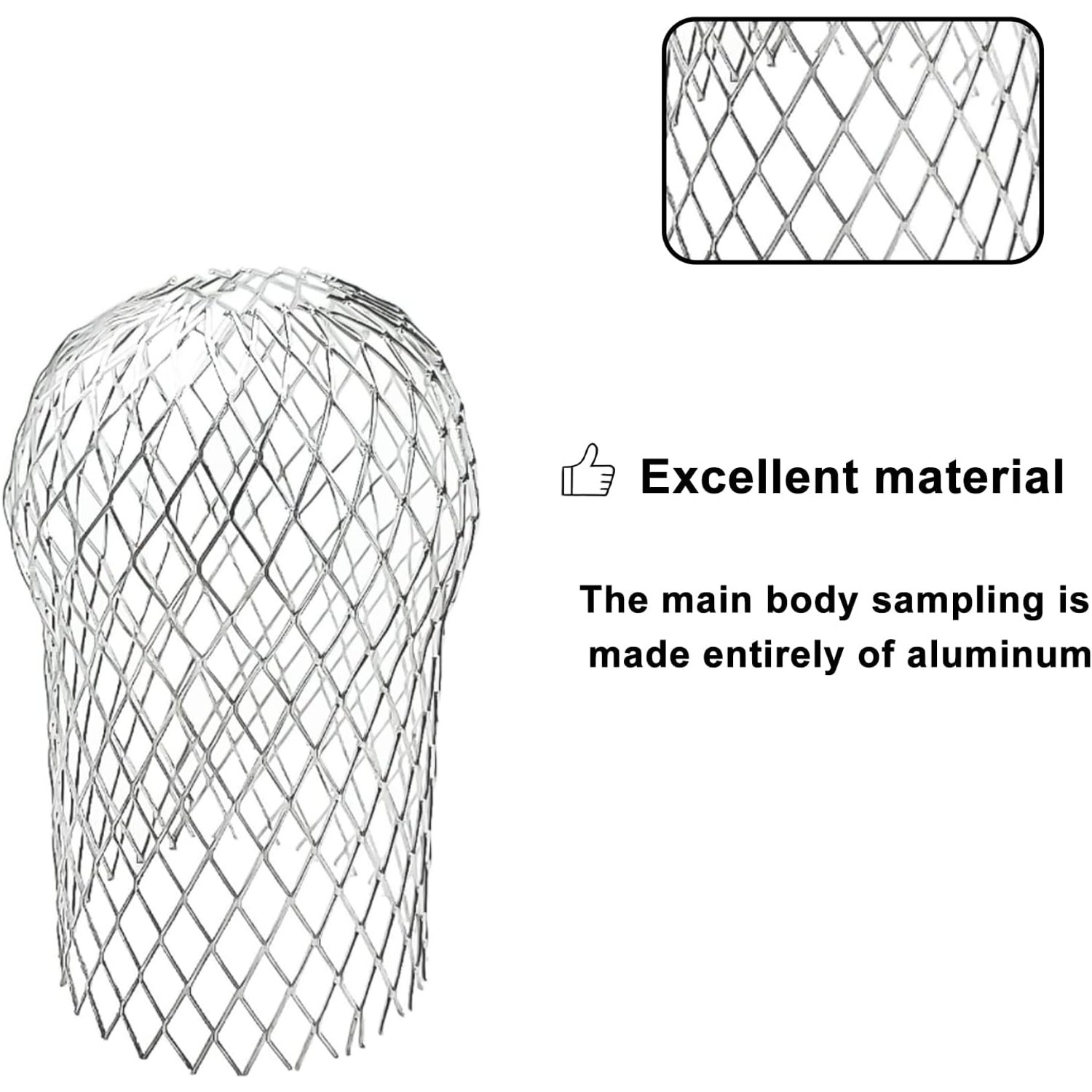
A gutter is a wet place. Water sits in it after every shower, the surface stays damp for days in autumn, and in cold weather it freezes and thaws over and over. Anything made of plain steel in that environment will eventually corrode, and a corroded filter stains the gutter, weakens, and sometimes breaks apart into pieces that then block the pipe themselves.
Aluminum does not rust in that way. It develops a dull surface layer and otherwise carries on. That is why the best aluminum gutter guard products in this category use it rather than cheaper metals. It is also light, which is a small thing until you are at the top of a ladder with one hand on the rail and the other holding the part.
The trade off with cut aluminum mesh is sharp edges. That is not a defect, it is just how sheet metal behaves after it is cut. Put gloves on before you touch these. It costs nothing and saves a scratched forearm.
The expanding fit, and why it covers so many downspouts
Downspouts come in a range of sizes. Older homes, newer builds, square profiles, round profiles. If a guard had a fixed diameter, you would need to measure carefully and hope the match was exact.
These work differently. The mesh is flexible, so you roll it tighter in your hand to make it narrower, push it into the opening, and let go. It springs back outward and presses against the inner walls. That single action is what lets one size handle openings from 2 to 4 inches.
It also means no fixings. Nothing is drilled into your gutter, no clips are needed, and nothing is glued. The strainer is held by its own tension, which has a practical benefit beyond installation. When you want to clean it, you just pull it straight out. No unscrewing, no prying.
If one feels loose after fitting, take it out and roll it a little tighter before pushing it back. A firm fit should resist a gentle tug.
Who gets the most out of these
Homes with trees nearby are the obvious case. Any property where branches overhang the roof will collect leaves in the gutters, and a strainer at each downspout turns a yearly blockage into a quick seasonal rinse.
Older homes with original downspouts benefit too. Those pipes often have tighter bends than modern ones, which makes a blockage harder to clear once it forms. Keeping debris out in the first place is far easier than getting it out later.
Anyone who dislikes ladders should think about this as a time saver rather than a replacement for cleaning. You will still go up, but you will go up to lift a strainer and shake it off, not to scoop and flush an entire gutter run.
A four pack suits a standard house with a downspout at each corner. If your home has more, buying two sets is common, since having a spare or two on hand is handy when one goes missing during cleaning.
Choosing well
A few things separate a good gutter strainer from a poor one.
Material is first. Look for metal that resists corrosion. Plastic versions exist and they are cheap, but UV light makes plastic brittle after a couple of seasons and brittle plastic in a gutter becomes litter.
Fit range is second. A strainer that only matches one exact diameter is a gamble unless you have measured. A flexible design that covers a span of sizes removes the guesswork, and the best expandable downspout filter designs lean on that flexibility rather than a rigid shape.
Height is third and gets overlooked. Short screens sit low and silt over quickly. Something with six inches or so of vertical mesh keeps working much longer between cleanings.
Finally, think about how easy it is to remove. If a guard needs tools to come out, you will not clean it as often as you should. Something you can pull out with gloved fingers gets maintained, and a maintained filter is the one doing its job.
Fitting and looking after them
Pick a dry day. Set the ladder on firm, level ground and have someone hold the base if you can. Clear any existing debris from the gutter near the opening first, because dropping a strainer into a pile of wet leaves just traps them underneath.
Roll the mesh tighter, push it into the downspout hole, let it expand, then give it a light tug to check it has seated. Repeat at each downspout. For a typical house, the whole job is a short afternoon including ladder moves.
For maintenance, twice a year is a good baseline. One visit after the leaves have come down, one in spring. If you live under heavy tree cover, add a check mid autumn. Lift each strainer, shake it out, rinse it with the hose, let it dry a moment and push it back.
Avoid chemical cleaners. Plain water and a shake is all that is needed, and harsh products are unnecessary on metal mesh.
One honest note on expectations. No strainer keeps every speck of material out, and fine particles like pine needles or roof grit will always find their way past some of the mesh. The goal is to stop the clumps that cause real blockages, not to seal the system.
The short version
Overflowing gutters usually trace back to one blocked downspout opening. A mesh guard sitting in that opening keeps leaves and twigs on the surface where they are easy to remove, instead of letting them pack into the pipe.
This set gives you four aluminum strainers, each about 3.5 inches wide and 6.5 inches tall, that roll up in your hand and expand into openings from 2 to 4 inches. No tools, no fixings, no permanent changes to your gutters.
Wear gloves when you handle them, check them a couple of times a year, and rinse them off when they load up. That is the full routine. It is a small purchase that turns one of the more annoying home maintenance jobs into something you can finish before the kettle boils.