
The complete guide
Toilet Plunger and Brush Set Buyer's Guide
The problem with the plunger behind the door
Almost every home has the same arrangement. A plunger leaning in the corner with its rubber cup resting on the floor tile, and a toilet brush in a plastic cup somewhere else, usually the one that holds an inch of grey water you do not want to think about. Neither looks good. Neither dries properly. And when a toilet actually blocks, the plunger is often in a different room entirely because somebody moved it out of sight before guests arrived.
A combined toilet plunger and brush set fixes a problem that is mostly about location. The tools themselves are simple. What makes the difference is having both of them standing upright, drying out, in one spot you walk past every day. It means the plunger is where you need it at the exact moment you need it, which is usually late at night and never convenient.
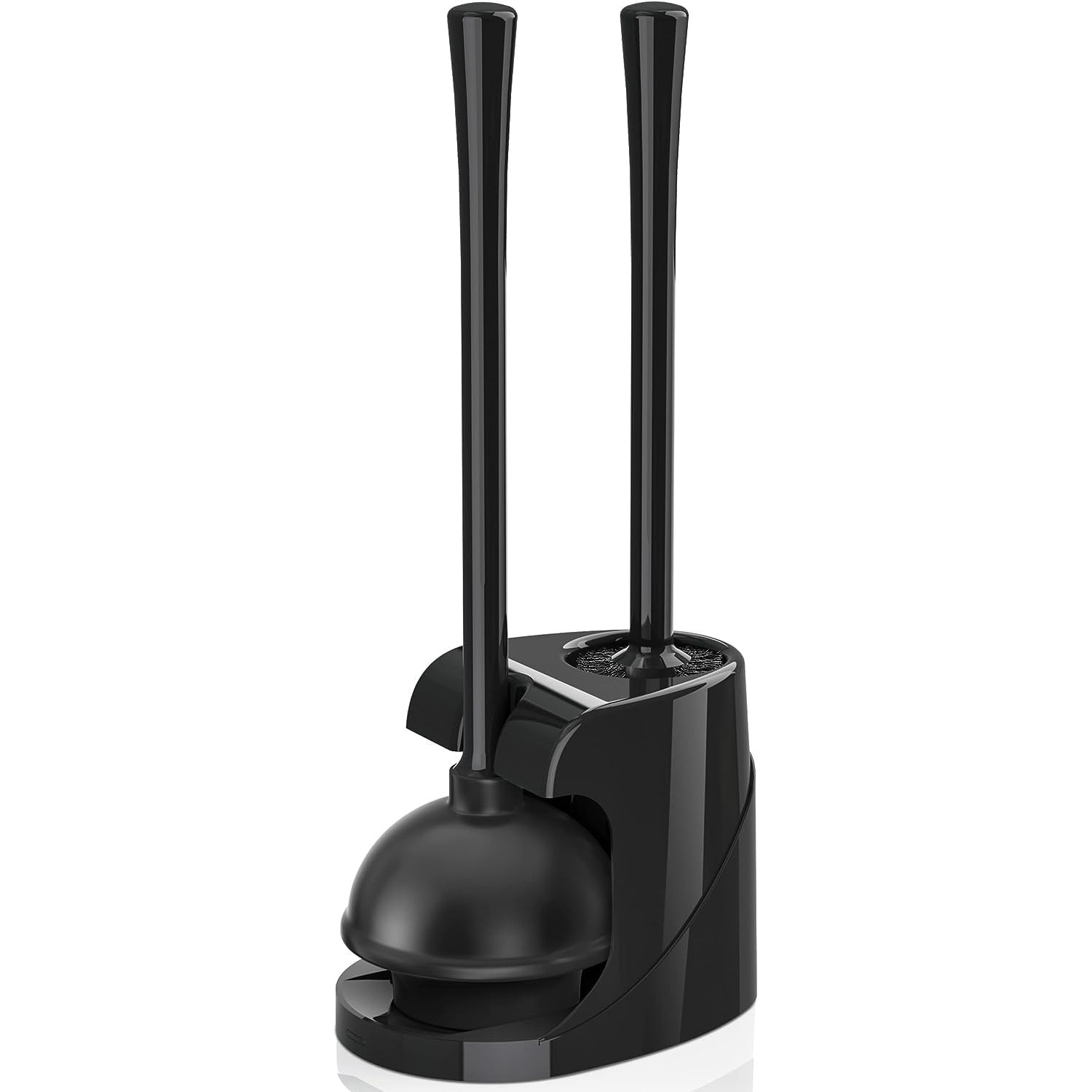
This set bundles a rubber plunger, a bowl brush and a vented caddy stand that holds both. One base, one corner, both jobs covered.
How the plunger part actually works
Plunging is physics, not strength. The rubber cup sits over the drain opening at the bottom of the bowl and makes a seal against the porcelain. Once that seal is made, every push forces the water sitting between the cup and the blockage downward, and every pull drags it back. Water does not squash, so all of that force arrives at the clog. That back and forth motion is what breaks a blockage loose.
If the seal leaks, air gets in. Air does compress, so your effort disappears into squashing a bubble and the clog does not move. This is why people who say plungers do not work are usually plunging with a half empty bowl or a cup that never seated properly.
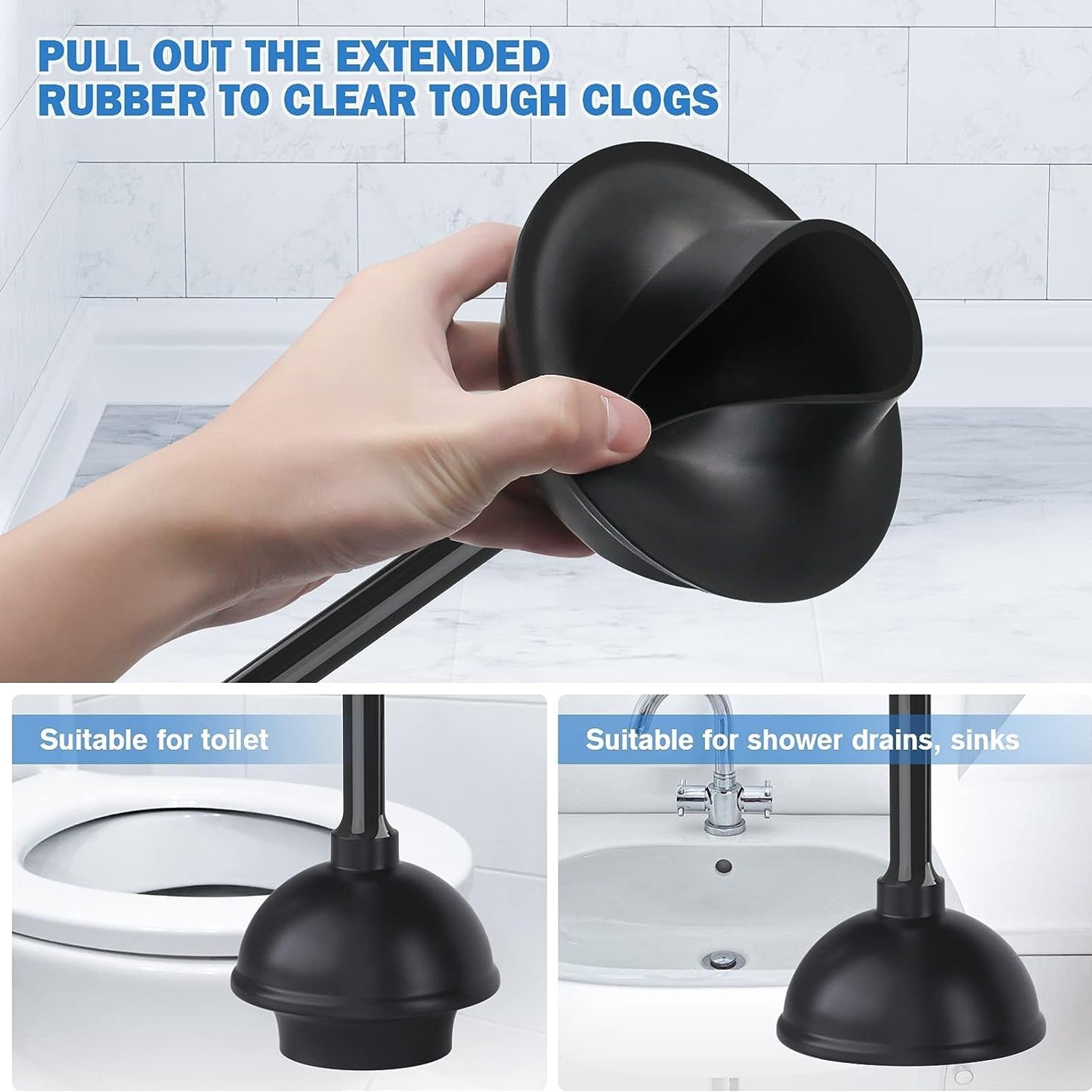
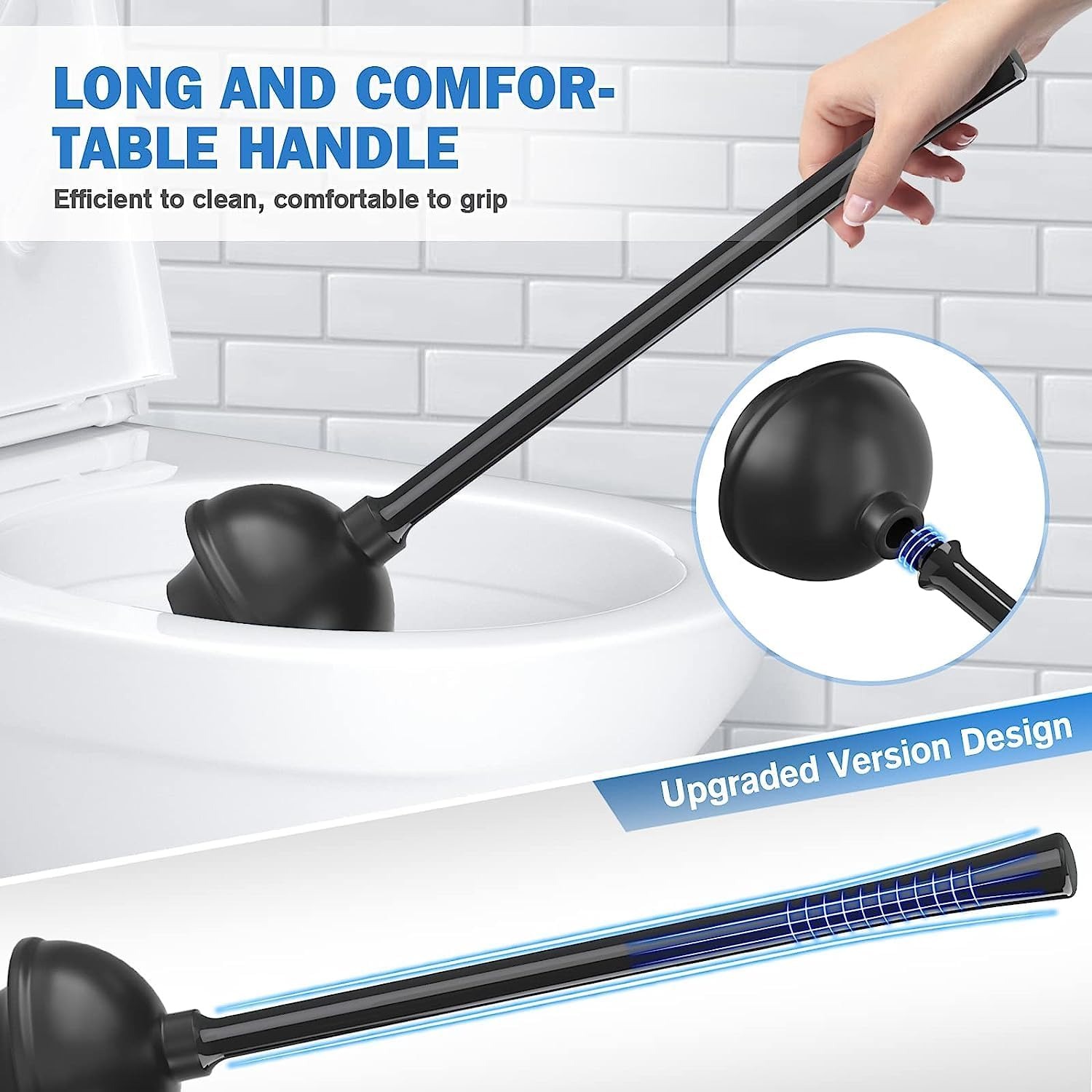
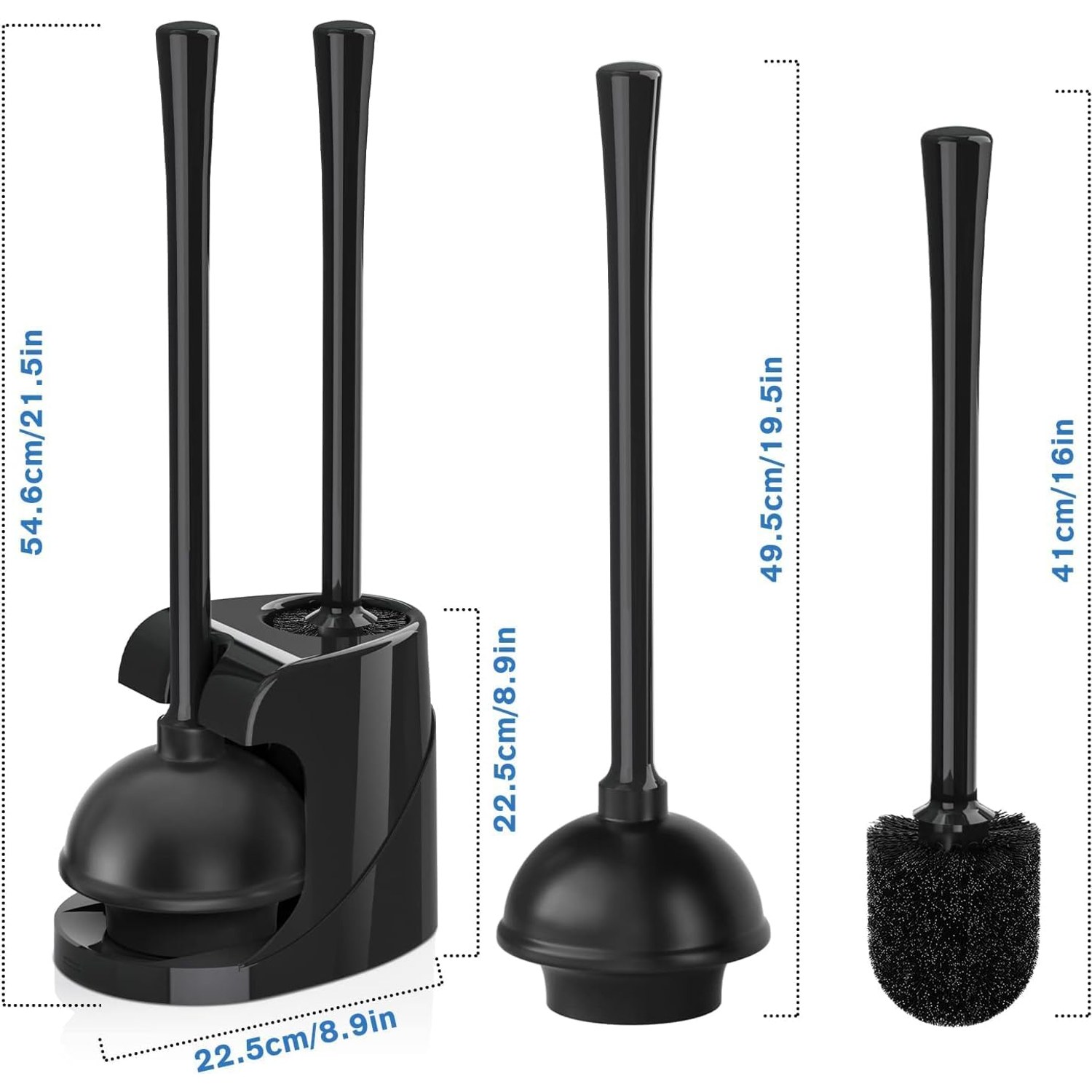
The cup on this plunger measures 5.7 inches (145 mm) across, which is a size meant to sit into the drain openings found in most household toilets. The handle is plastic and long enough to keep your hands well above the waterline. The flex in the rubber matters too, because the cup needs to squash on the push and spring back on the pull.
Technique beats force every time. Lower the cup in at an angle so it fills with water instead of air. Press down slowly for the first stroke to push the trapped air out of the cup. Then pump firmly, keeping the rim planted, and finish with a sharp upward pull. Give it several cycles before you check the result. Plenty of clogs give way on the fourth or fifth stroke, not the first.
What makes a bowl brush worth using
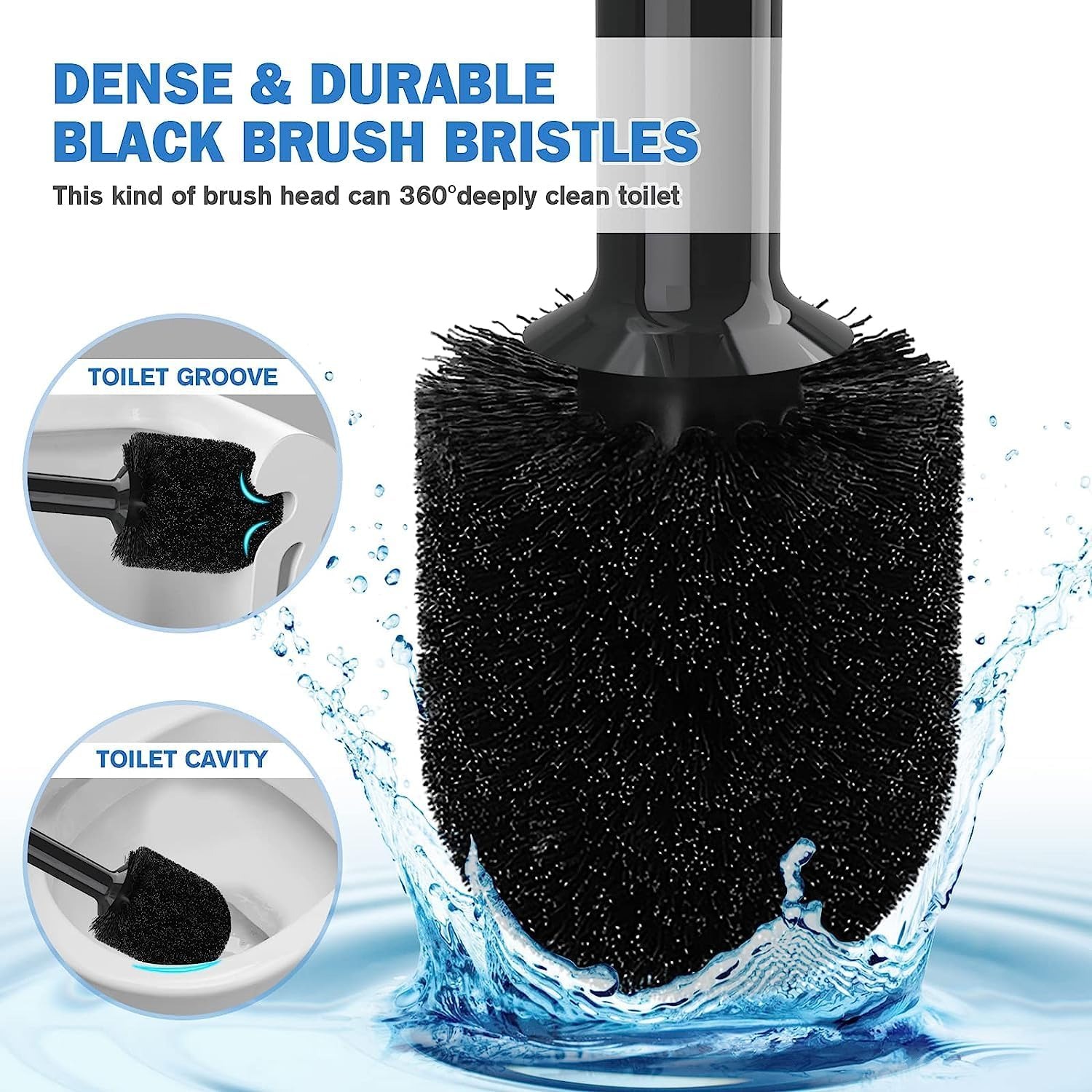
Most toilet brushes are the same shape as a paint brush, with bristles across one face. That is fine for the front of the bowl and useless for the two places that actually need scrubbing, the underside of the rim and the back curve below the water line.
The brush in this set carries dense bristles right around the head, so it scrubs in every direction. You can push it up under the rim, sweep sideways, and get into the corners where hard water staining starts. Dense bristles also matter for longevity. A sparse brush folds flat within weeks and then it is just a stick with a fuzzy end.
Regular light cleaning beats occasional heavy scrubbing. A quick pass every few days with the best toilet bowl brush with caddy you can keep close to hand stops build up ever getting established. That is really the argument for this whole product, convenience changes behaviour.
The holder is doing more than you think
The caddy stand looks like the cosmetic part of the set. It is not.
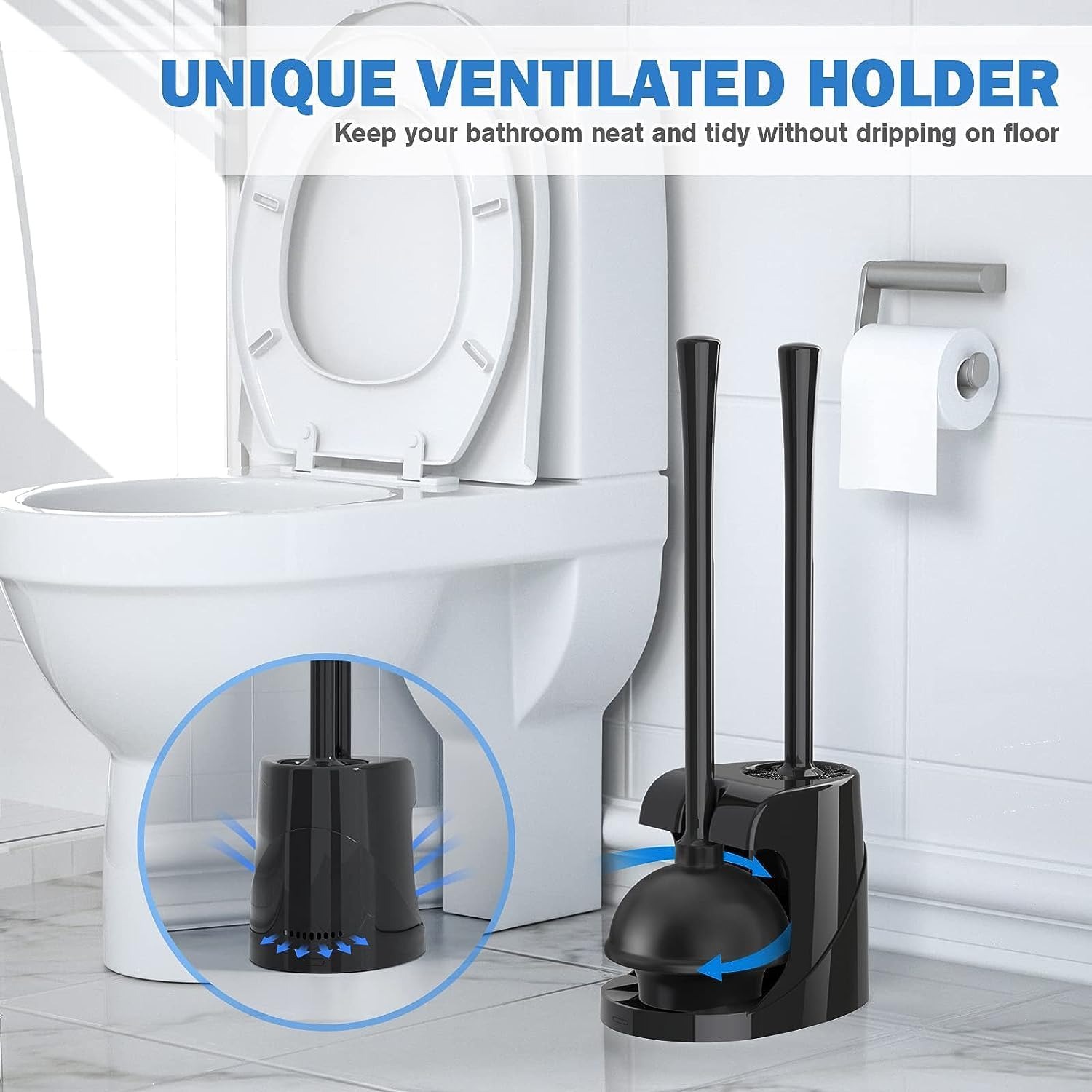
Vented sides let air circulate around the wet plunger cup and brush head, so moisture evaporates rather than sitting trapped. The removable drip tray catches whatever runs off and keeps it off your floor. Both of those things are the difference between a tidy corner and a damp one that smells.
It also hides the tools. From across the room you see a plain cylindrical stand, not a plunger. For an ensuite or a guest bathroom that matters more than people admit. Anyone shopping for the best hidden toilet brush holder is really shopping for a bathroom that does not announce its cleaning gear.
Emptying the tray is the only maintenance this thing asks of you. Lift it out, rinse it with warm soapy water, let it dry, put it back. Twenty seconds, every week or two.
Who this set suits
It works best where space is tight and appearance matters. Apartments, ensuites, guest bathrooms, rentals and share houses all fit that description. One standing unit takes up roughly half the floor area of a separate plunger stand and brush cup.
It is also a sensible choice if you are kitting out a first home. A plunger is one of those items nobody thinks to buy until there is an emergency, and then the shops are shut. Having the best plunger and brush combo you can find already standing in the corner is cheap insurance.
Where it is less ideal is heavy duty commercial use, or homes with unusual plumbing where a flange style plunger would seal better. If your toilet has an oddly shaped outlet, measure it before ordering.
How to choose between sets
A few things separate a good set from a disappointing one.
Cup diameter comes first. A cup that is too small rattles around in the opening and never seals. One that is far too large will not sit down into the drain at all. The 5.7 inch (145 mm) figure here is a usable middle ground for standard household bowls.
Handle length is the next consideration. Short handles put your hands close to the water, which nobody enjoys. Both tools in this set use long handles with a grip shaped for a firm hold.
Then look at the holder. A sealed plastic tube with no vents turns into a wet, stale container within a week. Vents and a removable tray are worth more than any styling detail. Shoppers comparing the best vented toilet brush holder options usually land on this point quickly.
Finally, think about the bristle pattern. Full circumference bristles outperform flat faced ones for rim cleaning, and dense packing outlasts sparse packing.
Looking after it
Rinse both tools after every use and stand them back in the caddy so they drip into the tray rather than onto the floor. Wash the brush head properly with warm soapy water every week or two, and empty the tray at the same time.
Keep the set out of direct sunlight and away from heaters. Sunlight and heat make plastic brittle and harden rubber, and a hardened plunger cup will not seal.
Replace the brush head when the bristles splay out and stop springing back. The plunger generally lasts much longer, but check the rim of the cup now and then for cracks or permanent creases. A cracked cup cannot hold a seal.
One habit worth building, do not store the plunger lying on its side. Standing it upright in the caddy keeps the rubber in its natural shape and stops water pooling inside the cup.
When to stop and call someone
Plunging handles the ordinary blockages, the ones sitting in the trap just past the bowl. If you have plunged properly through several full cycles and water still will not drain, something further down the line is wrong and more plunging will not fix it.
Do not pour chemical drain cleaners into a full bowl. If the problem involves more than one fixture backing up, or there is water appearing where it should not be, call a licensed plumber. Any work that involves cutting, moving or connecting pipes belongs with a licensed professional.
The short version
This is two everyday bathroom tools and a stand that keeps them tidy and dry. The plunger has a 5.7 inch (145 mm) rubber cup sized for standard household toilet drain openings, the brush has dense bristles all the way around the head for rim and corner cleaning, and the vented caddy with its drip tray hides both while letting them air out.
It will not solve plumbing problems that need a professional. What it will do is put the right tool in the right corner, looking presentable, ready for the night you need it.