EzyDrains Company
Company
Shop By Category
T&Cs
Shop Online
  • Size, material and fit listed
  • Free tracked Canada-wide delivery over $150
  • 14-day returns

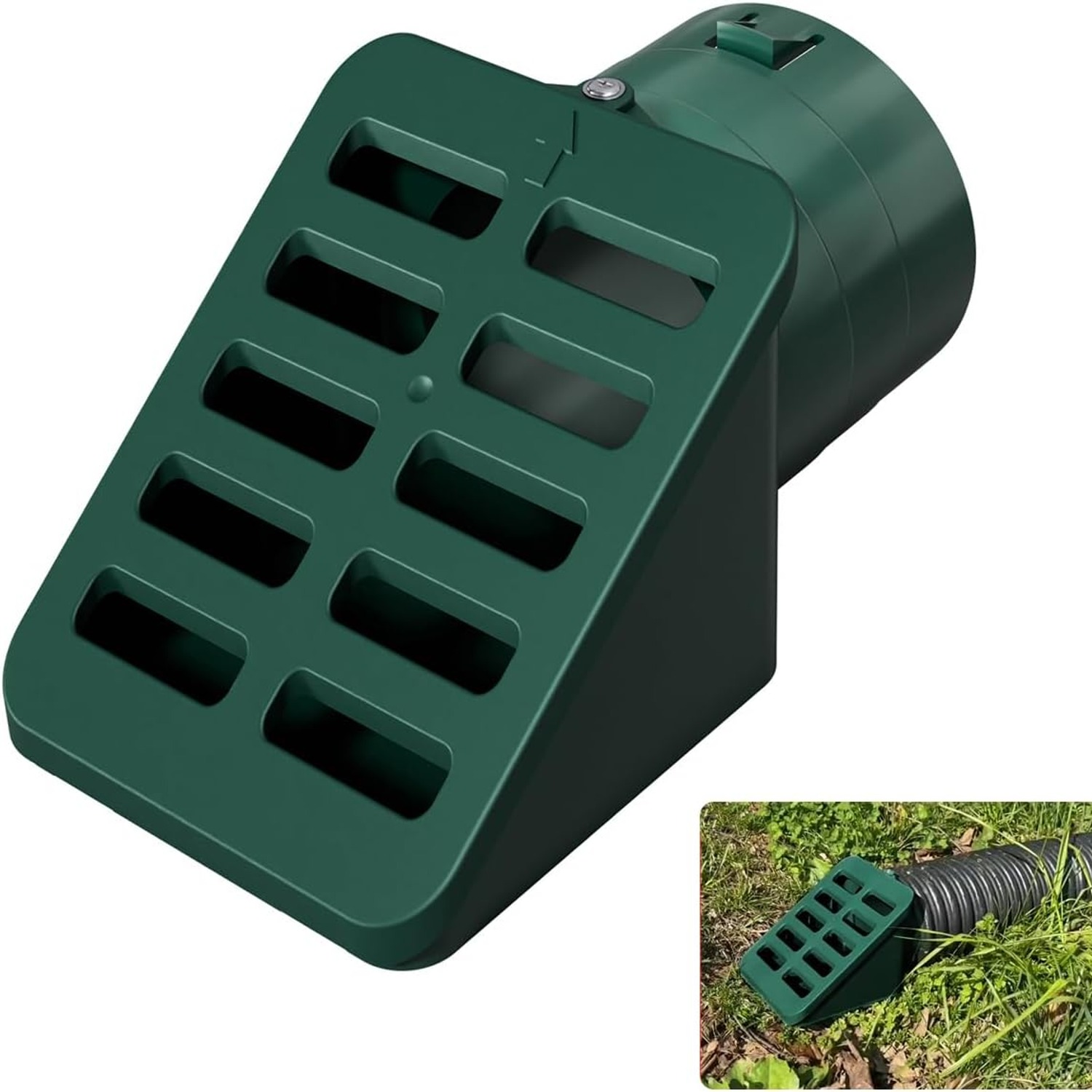
French Drain Emitter 4 Inch | Angled outdoor drain cover | yard drain outlet for corrugated pipe

French Drain Emitter 4 Inch

$56.99 $67.99 Save $11
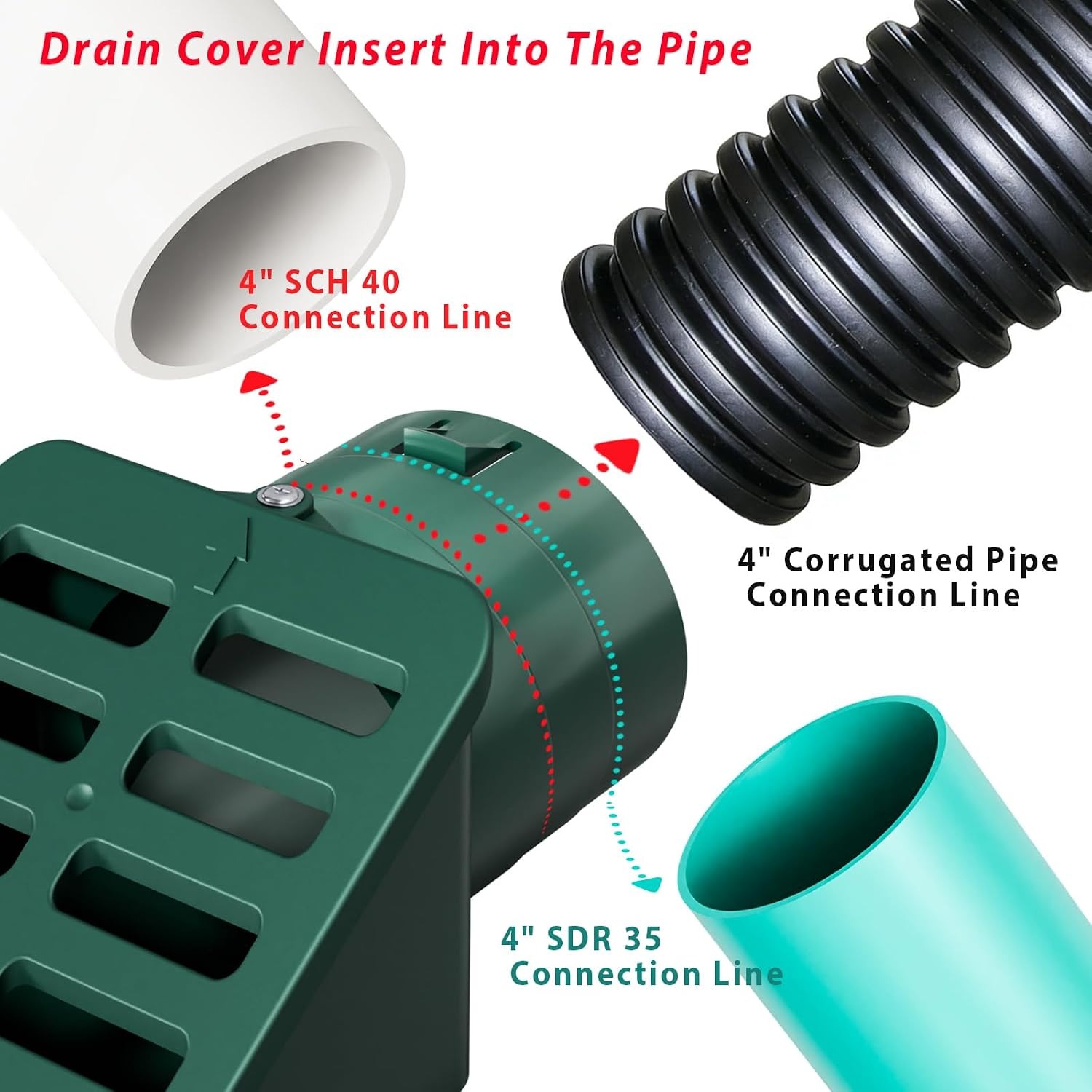
  • Fits Three Pipe Types
  • Sloped Diverter
  • No Tools Needed
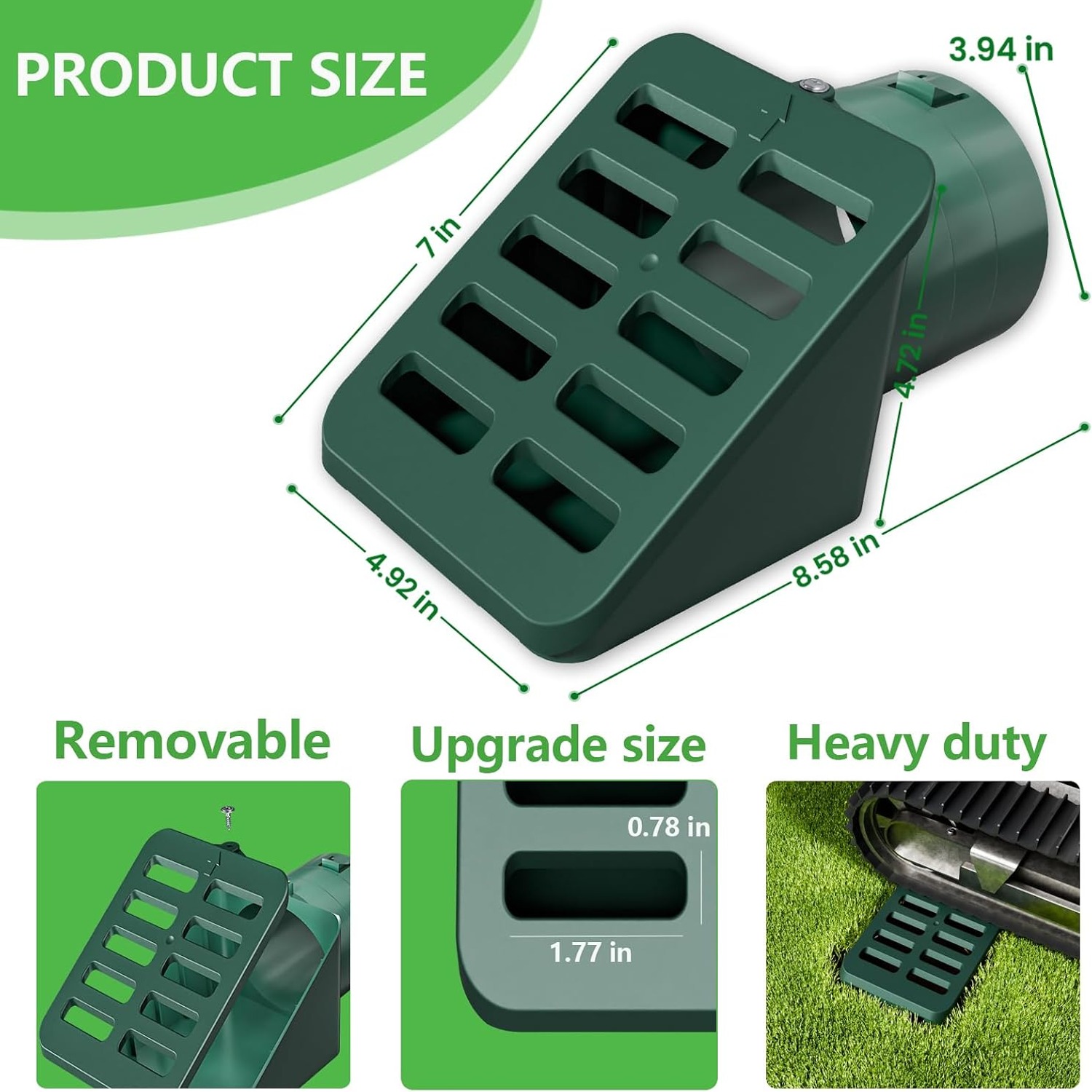
  • Removable Valve

Price: $56.99 $67.99

  • Free tracked Canada-wide delivery on orders $150+, otherwise a flat $20
  • Pay by card or PayPal, handled by the payment provider
  • 14 days to change your mind, plus your statutory rights
Product specifications
MaterialPlastic
Special FeaturesSloped diverter, removable valve, heavy-duty construction
Compatible Groove Diameter4 inches
Fits Hole Size4 inches
Compatible Pipe Types4 inch SCH 40, 4 inch SDR 35, 4 inch corrugated pipe
Typical UsesFrench drain, downspout, trench drain, sump pump outlet
Number of Items1
Unit Count1 count
Number of Packs1
ConditionNew
Shipping & returns

Tracked delivery anywhere in Canada. It is free on orders of $150 or more, and a flat $20 below that.

If it is not right for you, send it back within 14 days of delivery in resaleable condition and we refund the price you paid, including standard delivery. That is a voluntary policy we offer on top of your legal rights. You cover the cost of returning it unless the item is faulty.

If it arrives faulty, damaged or not as described, we put it right at no cost to you under the consumer protection law of your province or territory (for example the Ontario Consumer Protection Act, 2002), return postage included.

Shipping details · Refunds and returns

Fits Three Pipe TypesWorks with 4 inch SCH 40, 4 inch SDR 35 and 4 inch corrugated pipe.
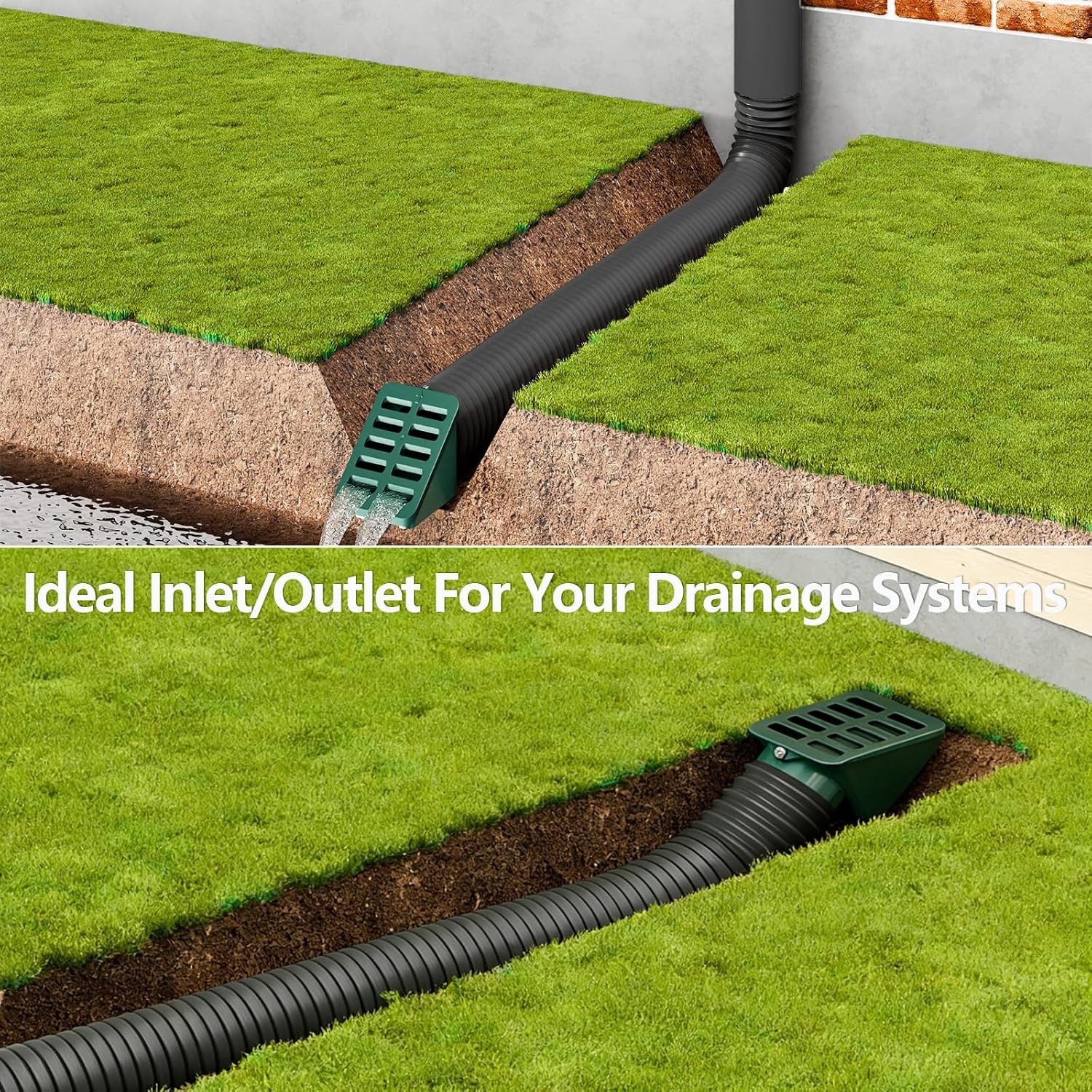
Sloped DiverterThe angled face pushes rainwater out and away from the opening.
No Tools NeededFit and twist to lock it on, with no adapters to buy.
Removable ValveLift the valve out for a quick rinse and drop it back in.

Give your yard a tidy, hard-wearing finish with a french drain emitter 4 inch outlet that sends rainwater where you want it to go.

Built from weather-resistant plastic with a sloped diverter and removable valve, it twists onto 4 inch SCH 40, SDR 35 and corrugated pipe without tools or adapters.

This 4 inch french drain emitter gives the end of a buried drain line a proper outlet instead of a raw open pipe.

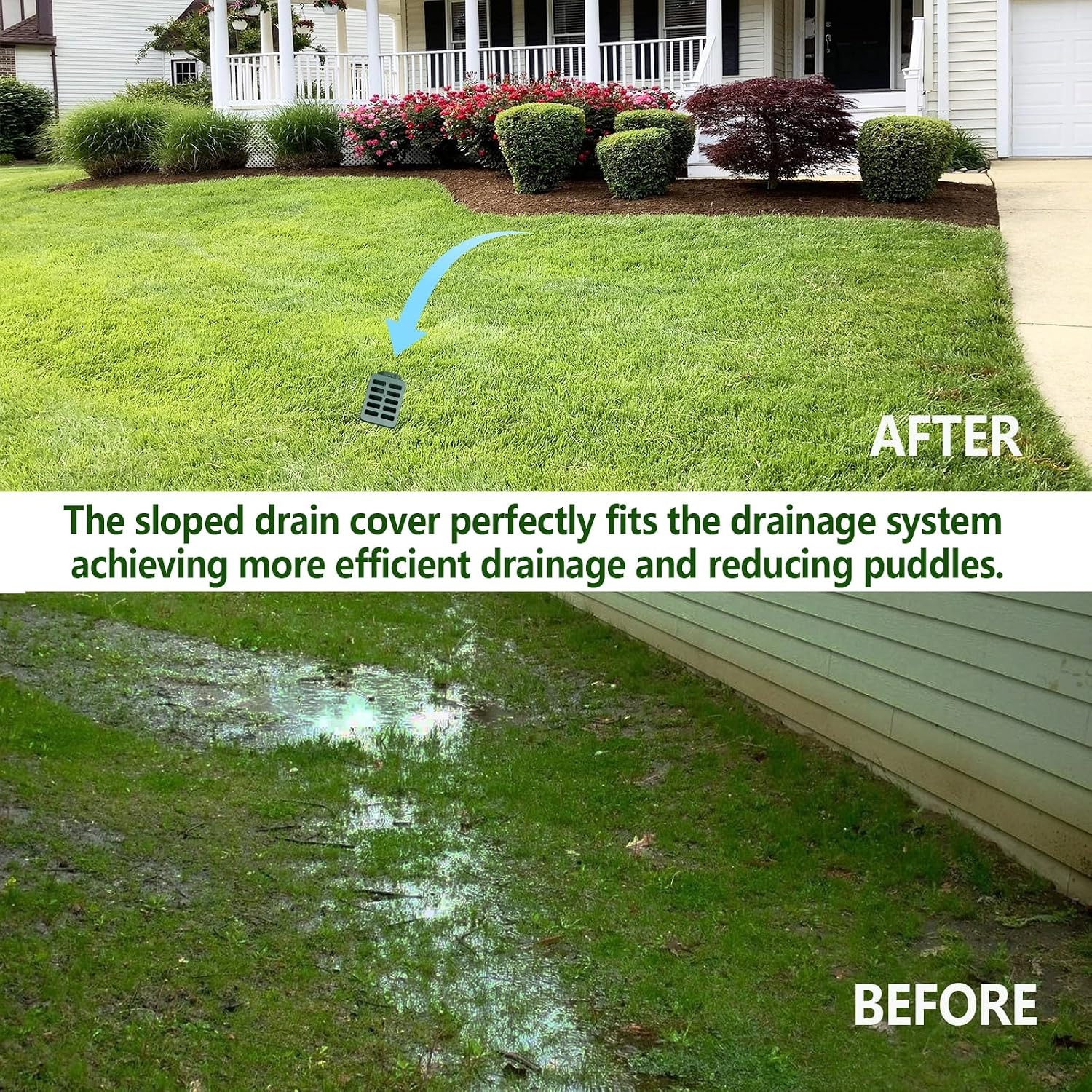
The sloped diverter angles water away from the opening so runoff keeps moving across the yard rather than pooling at the outlet.

It fits 4 inch SCH 40, 4 inch SDR 35 and 4 inch corrugated pipe, so you can use it on most common drainage runs.

Installation is a simple fit and twist, with no adapters and no tools required.

The removable valve lifts out for cleaning, which makes clearing leaves and grit a two minute job.

French Drain Emitter 4 Inch

A buried drain line only works as well as its ending. Leave the pipe open and you get a muddy mouth that silts up, collapses at the edges and fills with leaves after the first windy week. This 4 inch french drain emitter caps that ending with a moulded plastic outlet that holds its shape, keeps the opening defined and gives water a clear path out of the system.

French Drain Emitter 4 Inch

The face of the emitter is sloped rather than flat. That angle matters more than it sounds. Water leaving a buried line has very little energy behind it, so a sloped diverter helps push the flow out and along the ground instead of letting it hang around the opening and soak straight back in. On a yard that already drains slowly, that small push is often the difference between a damp patch and a standing puddle.

French Drain Emitter 4 Inch

Compatibility is the other practical win. The emitter is made to connect with 4 inch SCH 40, 4 inch SDR 35 and 4 inch corrugated pipe, which covers most of what people actually have in the ground. You fit it over the pipe end and twist to lock, with no adapters, no glue and no tools. If you are extending a downspout, finishing a trench drain run or giving a sump pump discharge line a tidy outlet, the same part does the job.

French Drain Emitter 4 Inch

Maintenance was clearly part of the design. The valve section lifts out so you can reach in, pull out the leaf mat and grit that always collects, then drop it back in place. A drainage outlet you can clean in two minutes is a drainage outlet that keeps working. One that needs digging up is one you will ignore until it fails.

French Drain Emitter 4 Inch

The body is moulded from weather-resistant plastic and built heavy enough to handle being walked over and sat in wet ground through the seasons. Mowers, foot traffic and freeze-thaw cycles are the usual enemies of cheap yard fittings, and a thicker, crack-resistant moulding holds up far better than thin grate covers that split along the edge after a year.

Not sure yet? That is fine.

A drain part has to fit the drain you have, and you cannot always judge that from a photograph. If it is not right for you, send it back within 14 days of delivery in resaleable condition and we refund the price you paid, including standard delivery. That is a voluntary policy we offer on top of your legal rights.

If it turns up faulty, damaged or not as described, that is on us. The consumer protection law of your province or territory covers you, and we pay the return postage. Read the full detail on our refunds and returns page, or ask us anything before you order.

Frequently Asked Questions

What exactly is a french drain emitter?

It is the fitting that caps the open end of a buried drainage pipe. Instead of a raw pipe mouth sitting in the dirt, you get a moulded outlet that holds its shape and lets water leave cleanly. This one is sized for 4 inch pipe.

Which pipe sizes does it fit?

It is made for 4 inch pipe, specifically 4 inch SCH 40, 4 inch SDR 35 and 4 inch corrugated pipe. The compatible groove diameter and hole size are both listed as 4 inches. It will not suit 3 inch or 6 inch lines.

Do I need tools to install it?

No. The design is a fit and twist connection, so you push it onto the pipe end and turn to lock it. No adapters, glue or fasteners are included or required.

What does the sloped diverter actually do?

The angled face pushes water outward as it leaves the pipe rather than letting it dribble straight down at the opening. That helps runoff carry away across the ground instead of soaking back in at the outlet. It is a small design detail that makes a noticeable difference on flat yards.

Can I use this at the end of a downspout extension?

Yes. Downspout extensions are one of the listed uses. If you have run 4 inch pipe from a downspout out into the yard, this gives that run a proper finished outlet.

Will it work on a sump pump discharge line?

Sump pump outlets are among the stated applications. As long as the discharge line is 4 inch pipe in one of the compatible types, the emitter will connect. Keep the outlet clear so the pump is never pushing against a blockage.

Is this suitable for a trench drain?

Yes, trench drains are listed as a compatible application. The emitter works as the outlet end of the trench drain run where the water leaves the system.

What is it made from?

The material is listed as plastic, described as weather-resistant and crack-resistant. No specific polymer type is stated by the maker.

What colour is it?

The colour is not specified by the maker. Please check the product images for the appearance.

How heavy is it and what are the exact dimensions?

The weight and overall dimensions are not specified by the maker. The figures we do have are the 4 inch compatible groove diameter and 4 inch hole size.

Can it be walked on?

It is described as heavy-duty and engineered to support loads, so incidental foot traffic should be fine. It is not described as a driveway or vehicle rated cover, so do not drive over it.

Does it keep leaves out?

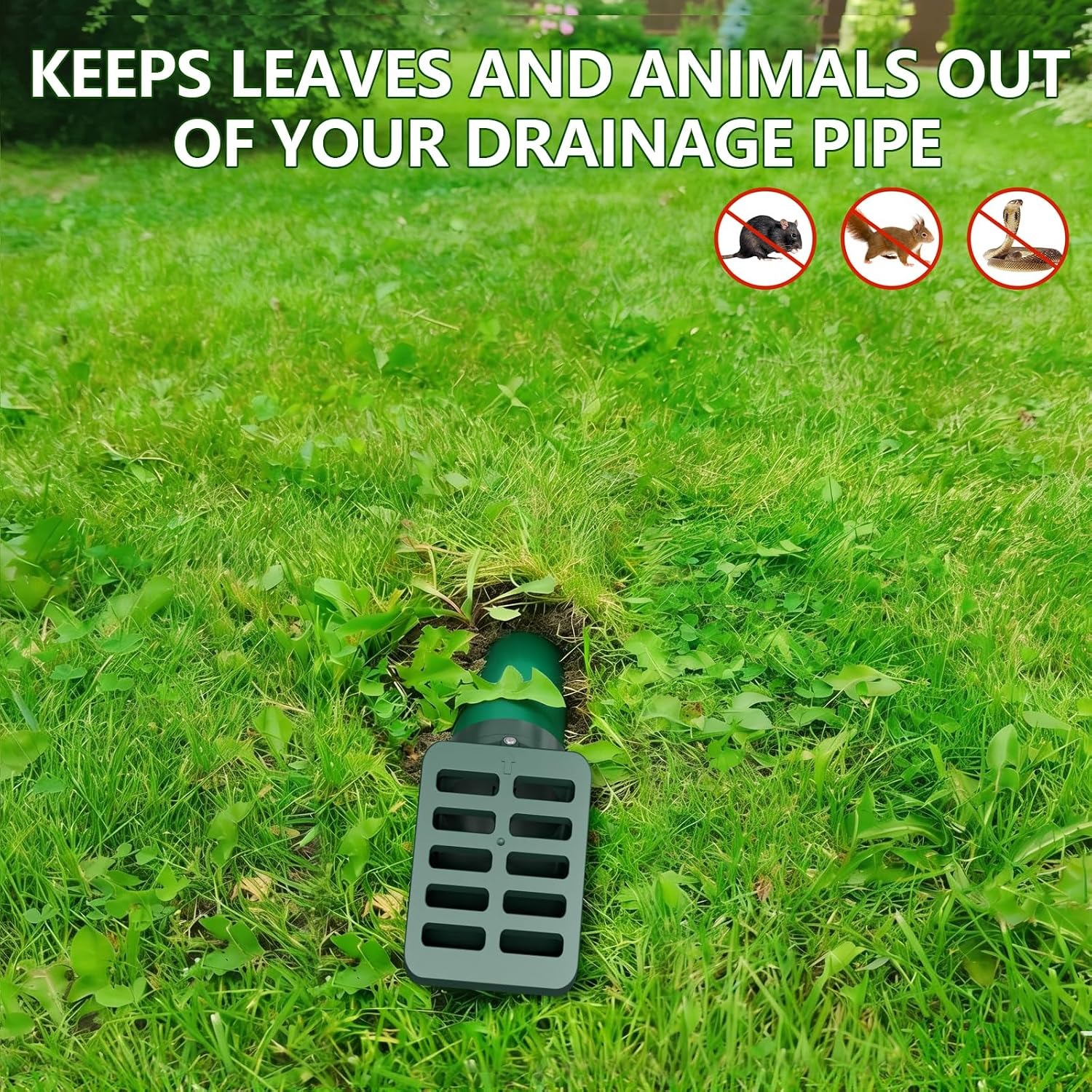
It is designed to help block leaves, small animals and other debris from getting into the drainage line. No outdoor cover stops every piece of debris, so you will still want to clear the surrounding area after heavy leaf fall.

How do I clean it?

Lift out the removable valve, pull out any leaf mat or grit, and rinse both parts with a garden hose. Drop the valve back in and you are done. Doing this a few times a year is usually enough.

How often should I check it?

A quick look after heavy rain and again at the end of autumn covers most situations. If your yard has a lot of trees, check more often during leaf fall. A clear outlet is the easiest part of a drainage system to maintain.

Will it crack in freezing weather?

The material is described as weather-resistant and crack-resistant. Keeping the outlet clear so water does not sit and freeze inside it is the best thing you can do to help it last.

Can I bury it?

The outlet needs to stay accessible so water can leave and so you can clean it. It is normally set at or just above ground level at the low point of the run. Burying it defeats the point.

Do I need a licensed plumber to install it?

For a surface fitting on an existing yard drainage line, most people manage it themselves. Any fixed plumbing work such as cutting, moving or connecting pipework should be done by a licensed plumber.

How many units come in a pack?

One. The unit count and number of packs are both listed as one, so each order is a single emitter.

Does it include any pipe or fittings?

No. The included components field is listed as none, so you receive the emitter only. Any pipe, extensions or clamps need to be sourced separately.

Will this solve a flooded yard on its own?

It is one part of a drainage system, not a fix for the whole problem. If water is pooling, the main factors are the slope of your yard, where the pipe runs and where it ends. A good outlet makes the rest of the system work better.

Can I use it as an inlet instead of an outlet?

It is described as suitable as an inlet or outlet for drainage systems. Used as an inlet, the removable valve and grate help stop debris entering the line. Used as an outlet, the sloped diverter directs water away.

What happens if my pipe end is damaged or out of round?

A twist-lock fitting needs a reasonably clean, round pipe end to grip properly. Trim back any crushed or split section before fitting. A clean cut takes a minute and makes the connection much more secure.

Can I connect two of these in a run?

Each emitter is intended for the end of a line rather than as an inline coupler. If you need to join two pipes mid-run, use a proper coupling and keep the emitter for the finish.

Is it a good yard drain outlet for a sloping garden?

Yes. On a slope, the emitter sits at the low end of the run and the sloped diverter helps direct water further down the grade. Slopes are generally the easiest situation for drainage outlets because gravity is already helping.

Will grass grow over it?

Grass will creep toward any edge in a lawn. Trimming around the outlet a couple of times a season keeps the opening visible and clear. Some people set it in a small bed of gravel to slow the growth.

Can I paint it?

Painting plastic outdoor fittings rarely lasts well, and flaking paint can end up in the drain line. If you want it less visible, surrounding it with gravel or planting is usually a better approach.

What does the removable valve do?

It is the part that lifts out to give you access inside the emitter for cleaning. It also forms part of the barrier that keeps debris and small animals from entering the pipe when the system is not flowing.

How is it delivered?

Most orders arrive within 4 to 7 business days of the order date, so allow for that if you need it by a set date. Delivery is to Canadian addresses only, free on orders of $150 or more and a flat $20 under that, and you get tracking by email once the order is on its way.

What if it is not right for my setup?

If the fit is wrong or the emitter is not what you expected, you can return it unused and in resaleable condition within our returns window. Keep the original packaging if you can, and get in touch with your order number and we will walk you through the next steps.

What should I check before I order?

Measure your own drain or fitting and compare it with the sizes on this page. Sizes are the maker's stated sizes, so allow for small differences.

Choosing a 4 Inch French Drain Emitter, A Practical Buyer's Guide

6 min read EzyDrains Company

The problem with an open pipe in the ground

Most yard drainage projects end badly at the same place. The trench gets dug properly, the gravel goes in, the pipe gets laid with a decent fall, and then the pipe just stops somewhere near the fence line. No outlet. Just a round black hole in the dirt.

For about one season, that works. Then the soil around the mouth slumps in. A mouse finds it. Leaves blow across and get caught at the lip. Silt washes down and settles in the last metre of pipe, because that is where the water slows down. By the second winter, the pipe is half blocked and the water is backing up somewhere you cannot see.

That is the gap a french drain emitter fills. It gives the end of the line a defined, solid mouth that does not collapse, does not silt up as quickly, and can be cleaned out when it does.

How a sloped emitter works

The basic job is simple. Water arrives through the pipe, passes through the emitter and leaves at ground level.

The detail that matters is the angle. Water at the end of a buried drain line has almost no pressure behind it. It is moving on gravity alone, and by the time it reaches the outlet it is barely moving at all. If the outlet face is flat and vertical, that water simply spills out at the opening and soaks into the ground right there. Over a few seasons you end up with a permanently soggy patch at the exact spot you were trying to drain water away from.

A sloped diverter changes the exit angle. Instead of dropping straight down, the flow is pushed out along the ground. It does not need much. A few extra inches of travel is often enough to move the water past the saturated zone and into soil that can actually absorb it.

The second working part is the removable valve. It sits in the body of the emitter and acts as the barrier that keeps leaves, grit and small animals from wandering into your pipe. Because it lifts out, you can clear the inevitable build-up without digging anything up. That one feature is the difference between a drainage outlet you maintain and one you abandon.

Who this suits

This is a 4 inch fitting, so the first question is always what size pipe you have in the ground. Four inch is the common residential size for French drains, downspout extensions and sump discharge lines in most yards, so there is a good chance it matches. If you are not sure, measure before you buy.

It suits people finishing a French drain run, where the emitter sits at the lowest point and gives the system somewhere to let go. It suits anyone who has run pipe from a downspout out into the yard and currently has nothing but an open end. And it suits sump pump discharge lines, where the outlet needs to stay clear because a blocked discharge puts the pump under strain.

It is less relevant if your drainage ends at a storm connection, a dry well or a proper catch basin, because those have their own fittings. It is also not the answer if your real problem is yard grading. No outlet fixes a yard that slopes the wrong way.

Matching it to your pipe

The emitter is listed as compatible with three pipe types. Here is what each one means in practice.

SCH 40 is rigid white or grey pipe with thick walls. It is the stuff you often see on sump discharge lines and anywhere the pipe needs to take some abuse. SDR 35 is also rigid but thinner walled, usually used for sewer and drainage lines where it is buried and protected. Corrugated pipe is the flexible black ribbed pipe that most people associate with French drains, sold in long coils and easy to lay around curves.

All three are nominally 4 inch, but they differ in wall thickness and outside diameter, which is why a universal emitter is handy. You are not hunting for a specific adapter for the specific pipe you happen to have.

Before fitting, check the pipe end. If it has been crushed by a shovel, cracked, or cut on an angle, trim it back to a clean square cut. A twist-lock fitting needs something round to grip. Thirty seconds with a saw saves you a loose connection that works itself off over the winter.

Setting it at the right height

Where you put the outlet matters as much as what you put on it.

Set it too low and the emitter sits in a dip, which means it collects water rather than releasing it. Set it too high and you have a trip hazard and something the mower will find. The usual approach is at or just above the finished ground level at the lowest point of the run, with the ground falling away gently from the face of the emitter.

Many people set a small apron of gravel in front of the outlet. It stops the discharge from carving a channel in the soil, it keeps grass from creeping over the opening, and it makes the whole thing easier to spot when you are checking it after a storm.

Think about where the water goes once it leaves. An outlet that empties onto a neighbour's side of the fence, into a path or toward a foundation creates a new problem rather than solving the old one. Aim for a lawn area, a planted bed or a swale that carries the water further away.

Keeping it working

Maintenance here is genuinely easy, which is the whole point of the removable valve.

A few times a year, lift the valve out. Pull out whatever has collected, usually a mat of leaves and a layer of silt. Rinse both the valve and the inside of the body with a garden hose. Put the valve back and you are finished.

Good times to do this are after the first heavy rain of the season and again at the end of autumn once the leaves are down. If you have big deciduous trees nearby, you will want to check more often through leaf fall.

Clean the plastic with mild soapy water and a soft brush if it gets grimy. Avoid solvents and abrasive pads, which scuff the surface. Avoid chemical drain cleaners entirely, in the outlet and in the line.

One winter note. Water that sits inside a fitting and freezes puts stress on it. Keeping the outlet clear so water drains fully through is the single best thing you can do to help the plastic last through freeze and thaw cycles.

What this does not do

Worth being straight about the limits. A drain emitter is an outlet, not a drainage system. It will not fix a yard that has no fall, it will not drain a saturated clay lawn on its own, and it will not help if the pipe itself is crushed or blocked further up the line.

It also will not stop every bit of debris. Fine silt still passes through, and something will always find its way in. The value is that it is easy to get back out.

If water is still pooling after you have a good outlet in place, the next things to look at are the slope of the pipe run, whether the gravel bed is clogged, and whether the yard grading sends water toward the drain in the first place.

The short version

If you have 4 inch pipe ending somewhere in your yard with nothing on it, this fitting is a sensible finish. The sloped face moves water away from the opening instead of letting it soak back in. The twist-lock connection means no tools and no adapter hunting across three common pipe types. The removable valve means you can actually clean the thing, which is what keeps a drainage system running year after year.

Measure your pipe, pick the spot where the ground falls away, set it at ground level, and give it a rinse a couple of times a year. That is about the whole job.

Browse the shop

Not sure if 4 inch is your size?

Measure the outside of your existing pipe before you order, and get in touch if you want a second opinion on the fit.

Ask us a question

Page summary

This is a 4 inch french drain emitter, an outdoor drain outlet cover made from plastic. It is listed as compatible with 4 inch SCH 40 pipe, 4 inch SDR 35 pipe and 4 inch corrugated pipe, with a compatible groove diameter and hole size of 4 inches. Stated features are a sloped diverter that directs water away from the opening, a removable valve for cleaning, and heavy-duty construction. It installs by fitting over the pipe and twisting to lock, with no adapters or tools required. Typical applications include French drains, downspout extensions, trench drains and sump pump discharge lines. One unit per pack. Colour, exact dimensions, weight and country of origin are not specified by the maker.